
Beautiful Plants For Your Interior
Beautiful Plants For Your Interior
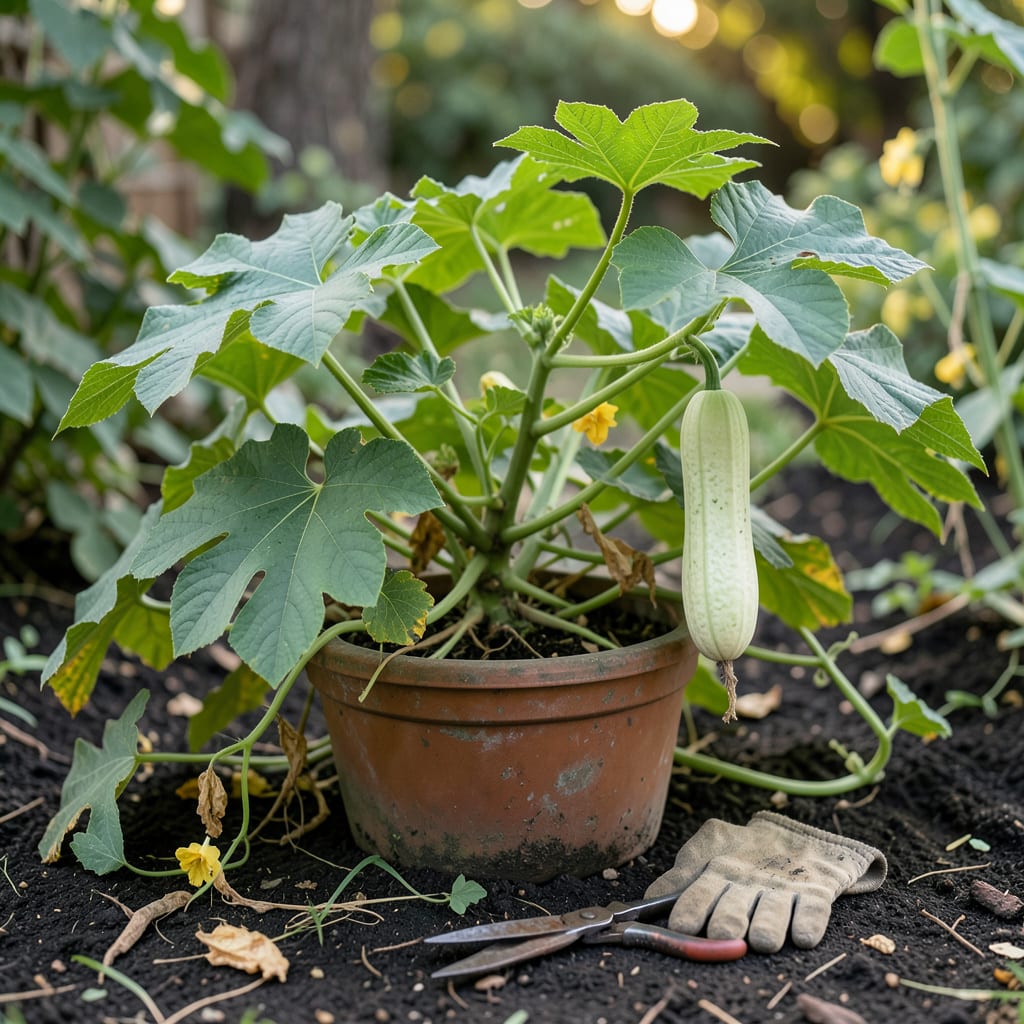
As I step into my garden in late summer, I’m always excited to check on my 🎃 Loofah plants. The key to a successful harvest is timing – knowing exactly when to pick Loofah for either a delicious meal or a perfect sponge.
In USDA Zone 6, Loofah is typically ready between August and September. I’ll show you how to identify the perfect moment to harvest your Loofah, ensuring you get the best results whether you’re cooking or crafting.


When it comes to harvesting Loofah, timing is everything. The ideal harvest time varies depending on whether you want to use it for cooking or as a natural sponge. In my experience, understanding these different stages is crucial for getting the best results 🎃.
For young Loofah that’s perfect for eating, you need to pick it when it’s still tender. This is usually when the fruit is between 4-6 inches long and the skin is soft and glossy. On the other hand, if you’re growing Loofah for its sponge, you’ll want to wait until it’s fully mature.
The key to successful Loofah harvesting is monitoring the fruit’s development regularly. For sponge use, Loofah is ready when the skin turns yellow and the fruit feels hard and heavy. At this stage, the fruit is still intact but will soon dry out and split open, revealing the sponge inside.
It’s essential to harvest Loofah for sponge use before the first frost in your area. In USDA Zone 6, this means picking them by mid-to-late September. If you leave them on the vine too long, they might become over-mature, making the sponge less usable.
When checking your Loofah plants, look for fruits that are firm to the touch and have a yellow or yellowish-green color. The stem should twist off easily, indicating that the Loofah is ready to be picked. If the skin is still green and soft, it’s not yet ready for harvest.
To ensure you’re picking Loofah at the right time, make it a habit to inspect your plants every few days. This regular check will help you catch the Loofah when it’s at its best, whether you’re looking to enjoy it as a vegetable or use it as a natural sponge 🌼.
Another important factor to consider is the weather conditions. Loofah for sponge use should be harvested before the weather gets too cold or wet, as this can cause the fruit to rot on the vine.
By understanding the different stages of Loofah maturity and monitoring your plants regularly, you can enjoy a bountiful harvest of either delicious young Loofah or high-quality sponges 🌻.
For those new to growing Loofah, it’s worth noting that the planting time also plays a role in determining the harvest time. In USDA Zone 6, Loofah is typically planted in late spring, after the last frost.
As you gain more experience with growing Loofah, you’ll become more adept at recognizing when it’s ready to pick. And with practice, you’ll be able to enjoy your Loofah harvest for both culinary and crafting purposes 🌱.
When growing Loofah for its sponge, timing is critical. The transition from edible young Loofah to mature sponge stage requires careful observation 🌼.
To determine if your Loofah is ready for harvesting as a sponge, look for these key signs: the fruit should be fully grown, typically reaching 12-18 inches in length, and the skin should turn yellow. The fruit should also feel hard and heavy for its size.
Be careful not to leave Loofah on the vine too long. If it becomes over-mature and turns brown, the sponge quality will degrade.
Regular monitoring is essential as Loofah can go from perfectly ripe to over-mature quickly. Check your plants every few days during the harvest season to catch the Loofah at the right time.
Another factor to consider is the weather. In areas with early frosts, you’ll need to harvest your Loofah before the first frost to ensure the sponges remain usable.
When harvesting Loofah for sponges, use pruning shears or a sharp knife to cut the fruit from the vine, leaving a small piece of stem attached. This makes handling easier and helps prevent damage to the sponge inside.
After harvesting, allow the Loofah to dry completely before processing. This will make it easier to remove the seeds and skin, leaving you with a clean, natural sponge 🌱.
By paying close attention to these signs and harvesting at the right time, you can enjoy a successful Loofah harvest for sponge use.
For gardeners in USDA Zone 6, this typically means harvesting in late August or September. Keep an eye on the weather forecast to plan your harvest accordingly.
With practice, you’ll become more skilled at identifying when your Loofah is ready to pick, ensuring a bountiful harvest of high-quality sponges 🌻.
When it comes to harvesting Loofah, timing is everything. To get the best results, you need to pick it at the right moment 🌼.
Here are three tips to help you harvest Loofah at peak quality: first,
Keep an eye on the weather forecast to plan your harvest before the first frost. Loofah for sponge use should be harvested when the skin turns yellow and the fruit feels hard and heavy.
When harvesting Loofah for sponges, use pruning shears or a sharp knife to cut the fruit from the vine. Leave a small piece of stem attached to make handling easier and prevent damage to the sponge inside.
After harvesting, allow the Loofah to dry completely before processing. This will make it easier to remove the seeds and skin, leaving you with a clean, natural sponge 🌱.
By following these tips, you can enjoy a successful Loofah harvest, whether you’re using it for cooking or crafting 🌻.
For gardeners in USDA Zone 6, this typically means harvesting in late August or September. Keep an eye on the weather forecast to plan your harvest accordingly.
With practice, you’ll become more skilled at identifying when your Loofah is ready to pick, ensuring a bountiful harvest of high-quality sponges or delicious young Loofah for cooking.
Loofah is ready for sponge use when the skin turns yellow and the fruit feels hard and heavy. The fruit should be fully grown, typically reaching 12-18 inches in length. Check your plants every few days during the harvest season to catch the Loofah at the right time .
No, Loofah that’s been left on the vine too long becomes over-mature and is not suitable for eating. At this stage, the skin turns brown, and the fruit becomes dry and splits open, revealing the seeds. It’s best to harvest Loofah for eating when it’s still young and tender, typically between 4-6 inches long .
When harvesting Loofah for sponges, use pruning shears or a sharp knife to cut the fruit from the vine, leaving a small piece of stem attached. This makes handling easier and helps prevent damage to the sponge inside. After harvesting, allow the Loofah to dry completely before processing .
It’s essential to check your Loofah plants every few days during the harvest season to catch the Loofah when it’s at its best. Regular monitoring will help you harvest Loofah at the right time, whether you’re looking to enjoy it as a vegetable or use it as a natural sponge .
