
Beautiful Plants For Your Interior
Beautiful Plants For Your Interior
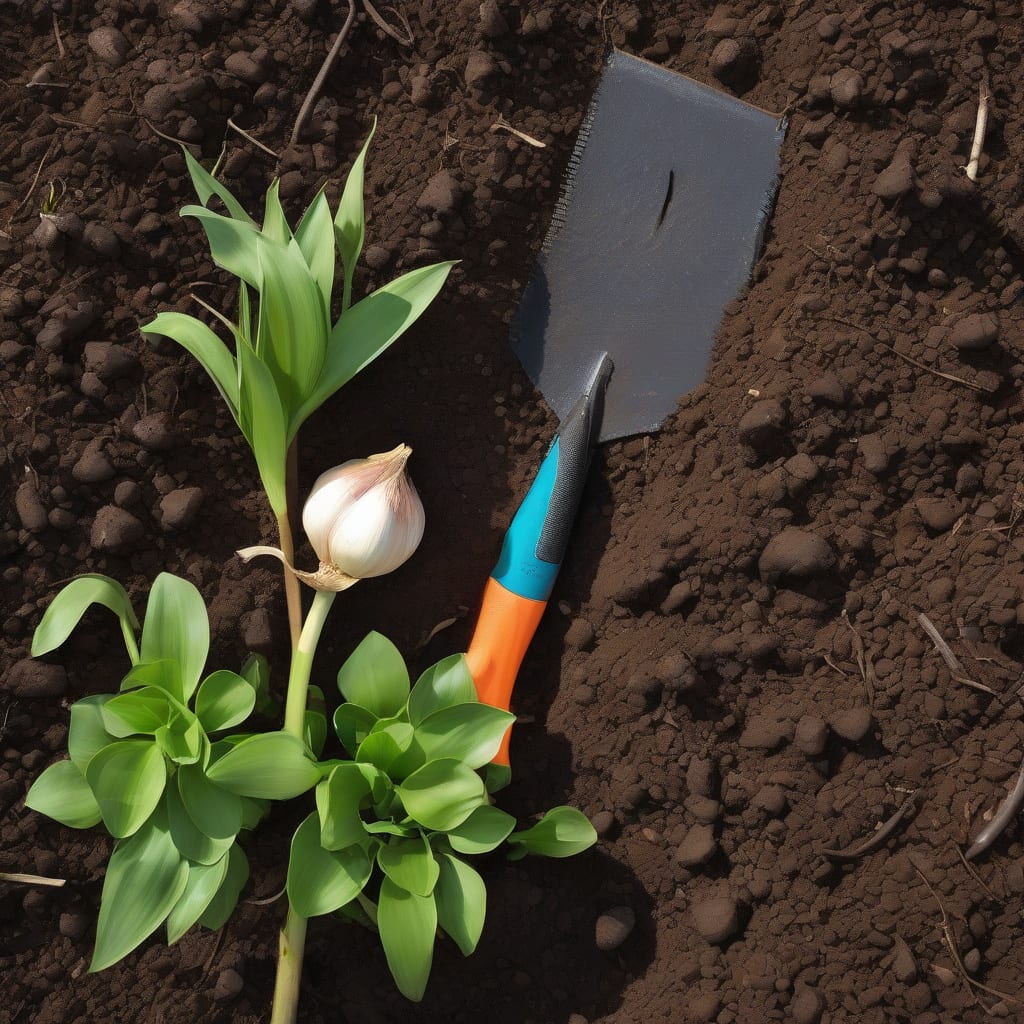
As the weather cools, it’s time to start thinking about planting garlic 🧄 for a bountiful harvest next summer. Timing is crucial for successful garlic cultivation.
In USDA Zone 6, the ideal time to plant garlic is in the fall, typically between September and November. Let’s explore the best practices for planting garlic this season.
Ideal Time
Also Good
Planting garlic in the fall requires careful consideration of your region’s climate and growing conditions. The ideal planting time varies depending on your location, but generally falls between September and November. Let’s explore the best times to plant garlic in different regions.
In USDA Zone 6, the ideal time to plant garlic is typically in the fall, about 4-6 weeks before the ground freezes. This allows the garlic to establish itself before winter. For other zones, the planting time will vary accordingly. For example, in colder zones like Zone 4 or Zone 5, you should plant garlic earlier in the fall, around late September or early October. In warmer zones like Zone 7 or Zone 8, you can plant garlic later in the fall, around October or November.
Understanding your region’s specific climate and frost dates is crucial for determining the best time to plant garlic. By planting at the right time, you’ll be able to enjoy a healthy and bountiful garlic harvest next summer 🌼.
When planning your garlic planting, consider the average first frost date in your area. Garlic needs time to establish its root system before the ground freezes. In general, it’s recommended to plant garlic 4-6 weeks before the first frost. This allows the garlic to develop roots and prepare for the cold winter months.
In addition to considering the average first frost date, you should also consider other factors that might affect garlic growth, such as soil quality, sunlight exposure, and moisture levels. Well-draining soil and full sun are essential for healthy garlic cultivation.
By understanding the specific needs of garlic in your region and planning accordingly, you can enjoy a successful garlic harvest. Whether you’re a seasoned gardener or just starting out, planting garlic in the fall is a great way to ensure a bountiful harvest next summer 🌼.
To further optimize your garlic planting, consider the specific garlic variety you’re growing. Some varieties are better suited to certain climates or growing conditions. Researching the best variety for your region can help ensure a successful harvest.
In addition to choosing the right variety, proper soil preparation is crucial for garlic success. Garlic prefers well-draining, rich soil with a pH between 6.0 and 7.0. Amending your soil with compost or well-rotted manure can help improve soil quality and drainage.
By combining the right planting time with proper soil preparation and variety selection, you’ll be well on your way to growing delicious, healthy garlic. Happy planting! 🌼
Preparing garlic for fall planting is a crucial step in ensuring a successful harvest next summer. To get started, you’ll need to choose the right garlic variety for your region and climate. Some garlic varieties are better suited to certain growing conditions, so be sure to select a variety that’s well-suited to your area 🌼.
When selecting garlic bulbs, look for firm, plump cloves with no signs of mold or sprouting. Avoid using garlic from the supermarket, as it may be treated with chemicals to prevent sprouting.
Once you’ve selected your garlic variety, it’s time to prepare the soil for planting. Garlic prefers well-draining, rich soil with a pH between 6.0 and 7.0. To achieve this, you can amend your soil with compost or well-rotted manure. This will help improve soil quality and drainage, ensuring your garlic gets the best start possible 🌱.
In addition to soil preparation, it’s also important to plant garlic at the right depth. Typically, garlic cloves should be planted 2-3 inches deep and 4-6 inches apart. This will give the garlic enough room to grow and allow for proper air circulation 🌿.
To further optimize your garlic planting, consider mulching around the plants to retain moisture and suppress weeds. This will help reduce the need for frequent watering and weeding, making it easier to care for your garlic crop 🌼.
By following these tips and preparing your garlic for fall planting, you’ll be well on your way to a successful harvest next summer. Happy planting! 🌼
Proper garlic storage is also crucial for maintaining the quality of your harvested garlic. Store garlic in a cool, dry place with good air circulation to keep it fresh for several months.
With these tips and techniques, you’ll be able to enjoy a bountiful garlic harvest next summer. By choosing the right variety, preparing the soil, and planting at the right depth, you’ll be well on your way to growing delicious, healthy garlic 🧄.
When planting garlic in the fall, it’s essential to avoid common mistakes that can lead to poor growth, reduced yields, or even crop failure. By understanding these potential pitfalls, you can take steps to ensure a successful harvest next summer 🧄.
One of the most critical mistakes is planting garlic too early or too late. Planting too early can expose the garlic to excessive heat, while planting too late may not give it enough time to establish itself before winter.
To avoid these issues,
Another common mistake is improper spacing. Garlic needs adequate space to grow, so
Poor soil preparation is another critical error to avoid. Garlic prefers well-draining, rich soil with a pH between 6.0 and 7.0. To achieve this, amend your soil with compost or well-rotted manure before planting. This will help improve soil quality and drainage, ensuring your garlic gets the best start possible.
By being aware of these common mistakes and taking steps to avoid them, you can significantly improve your chances of a successful garlic harvest.
In summary, avoiding common mistakes when planting garlic in the fall requires careful planning and attention to detail. By planting at the right time, spacing correctly, and preparing the soil properly, you’ll be well on your way to growing delicious, healthy garlic 🧄.
For additional guidance on growing garlic, consider exploring resources on companion planting and crop rotation to further optimize your garlic cultivation.
The ideal time to plant garlic in the fall varies by region, but generally falls between September and November. In USDA Zone 6, plant about 4-6 weeks before the ground freezes. For colder zones (4-5), plant earlier in fall, around late September or early October. In warmer zones (7-8), plant later, around October or November. Planning ahead ensures a healthy harvest.
Garlic prefers well-draining, rich soil with a pH between 6.0 and 7.0. Amend your soil with compost or well-rotted manure to improve soil quality and drainage. This preparation helps your garlic grow strong and healthy. Proper soil preparation is key to a successful harvest.
Plant garlic cloves 2-3 inches deep and 4-6 inches apart. This spacing gives garlic room to grow and allows for good air circulation, reducing the risk of disease. Proper spacing is crucial for a bountiful harvest.
It’s not recommended to use garlic from the supermarket for planting because it may be treated with chemicals to prevent sprouting. Instead, purchase garlic specifically meant for planting from a gardening store or nursery. This ensures you’re getting a variety suitable for your region and climate.
