
Beautiful Plants For Your Interior
Beautiful Plants For Your Interior
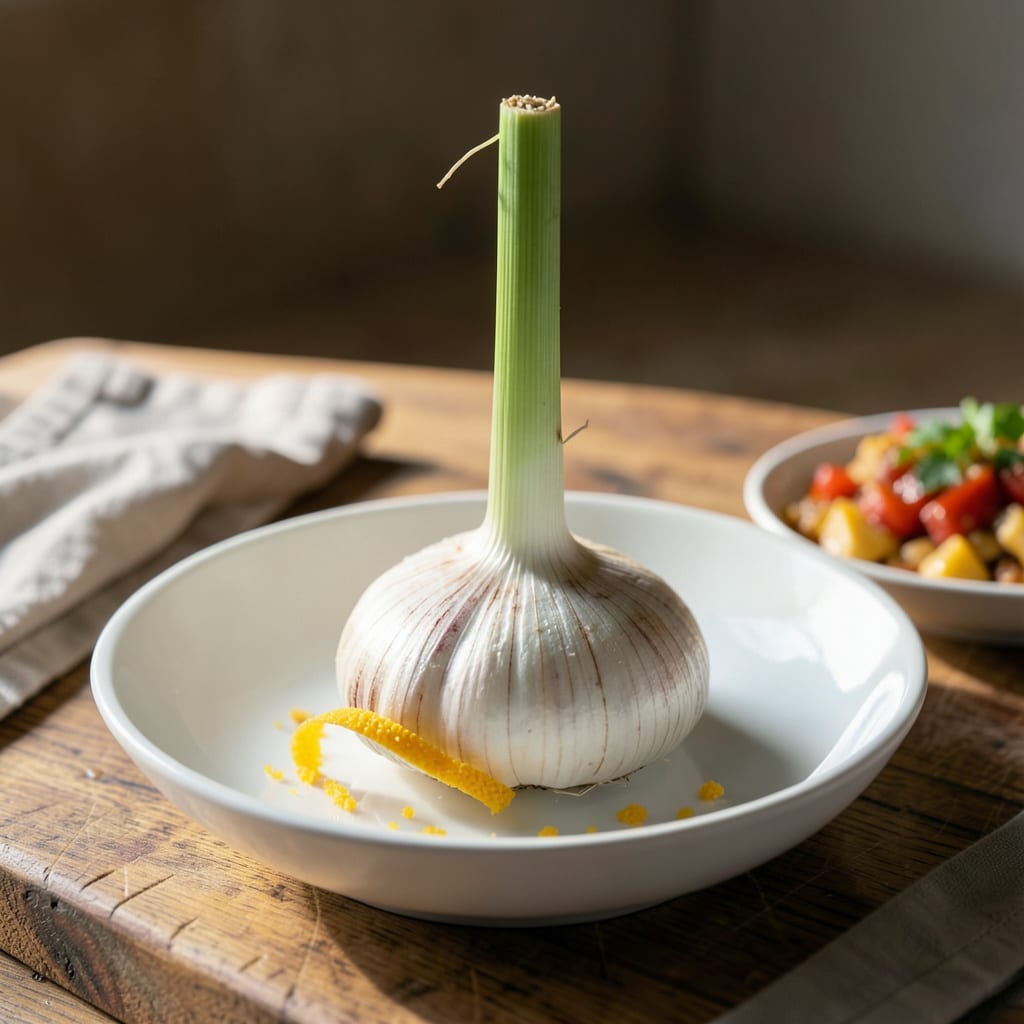
When growing 🧄 garlic, one of the first questions that comes to mind is: how tall will it grow? The answer depends on various factors, including the variety and growing conditions. Generally, garlic plants can reach heights of 1-2 feet, making them a great addition to any garden.
Understanding garlic’s growth patterns is key to maximizing your harvest. In this guide, we’ll explore the different stages of garlic growth and provide tips on how to optimize its development. By the end, you’ll be equipped with the knowledge to grow healthy, robust garlic plants.

1-2 ft

1-2 ft

1-2 ft

1-2 ft
Garlic is a fascinating crop to grow, and understanding its growth patterns is essential for a successful harvest. One of the most common questions gardeners ask is: how tall does garlic grow? The answer varies depending on the variety and growing conditions.
Generally, garlic plants can reach heights of 1-2 feet, with some varieties growing taller than others. The height of garlic plants is influenced by factors such as soil quality, climate, and watering practices.
The height of garlic plants can vary significantly depending on the variety. Some hardneck garlic varieties can grow quite tall, up to 2 feet or more, while softneck garlic varieties tend to be shorter, typically around 1-1.5 feet.
Garlic plants typically grow in a upright habit, with the leaves emerging from the center of the plant. As the plant matures, the leaves may begin to fall over, indicating that the bulbs are ready to harvest.
To optimize garlic growth, it’s essential to provide the right growing conditions. This includes full sun, well-draining soil, and adequate watering. By understanding the growth patterns of garlic and providing the right conditions, you can enjoy a bountiful harvest of delicious, healthy garlic.
In addition to the variety, climate and soil quality play a significant role in determining garlic plant height. Garlic grown in cooler climates with rich soil tends to perform better and reach its full height potential.
Proper planting depth and spacing are also crucial for healthy garlic growth. Planting cloves at the correct depth and spacing them adequately allows for proper air circulation and prevents overcrowding.
Garlic plants require consistent moisture, especially during the growing season. However, overwatering can be detrimental, so it’s essential to strike the right balance.
By following these guidelines and understanding the growth patterns of garlic, you can enjoy a successful harvest and make the most of your garlic crop.
Garlic is a relatively low-maintenance crop, making it an excellent choice for gardeners of all experience levels. With the right care and attention, garlic can thrive and provide a delicious addition to a variety of dishes.
When growing garlic, understanding the factors that affect its height and development is crucial for a successful harvest. The height of garlic plants can vary significantly depending on several key factors.
Soil quality plays a significant role in determining garlic plant height. Garlic prefers well-draining, rich soil with a pH between 6.0 and 7.0. Soil that is too dense or lacking in nutrients can limit garlic growth.
Climate conditions also impact garlic plant height. Garlic thrives in cooler climates with cold winters. Extreme temperatures can affect garlic growth, so it’s essential to plant garlic at the right time.
Watering practices are vital for healthy garlic growth. Garlic requires consistent moisture, especially during the growing season. However, overwatering can be detrimental, so it’s crucial to strike the right balance.
Spacing is another critical factor that affects garlic plant height. Planting garlic cloves too close together can lead to overcrowding, which can reduce growth and increase the risk of disease.
By understanding and managing these factors, you can optimize garlic growth and enjoy a bountiful harvest. Proper care and attention to detail will help you grow healthy, robust garlic plants that reach their full height potential 🌼.
Garlic is a relatively low-maintenance crop, making it an excellent choice for gardeners of all experience levels. With the right conditions and care, garlic can thrive and provide a delicious addition to a variety of dishes.
In summary, the key to growing tall, healthy garlic plants lies in providing the right growing conditions, including good soil quality, favorable climate conditions, proper watering practices, and adequate spacing. By following these guidelines, you can enjoy a successful harvest and make the most of your garlic crop.
To maximize garlic yield, it’s essential to provide optimal growing conditions and follow best practices for planting, care, and harvesting. Proper techniques can significantly impact the health and productivity of your garlic plants.
Plant garlic cloves 4-6 inches apart and 2-3 inches deep to allow for proper growth and air circulation.
One of the most critical factors in growing healthy garlic is planting depth. Planting cloves at the correct depth helps protect them from extreme temperatures and ensures proper growth.
Fertilization is also vital for promoting healthy garlic growth. Use a balanced fertilizer (10-10-10 NPK) and apply it every 4-6 weeks during the growing season.
Pest management is another crucial aspect of garlic cultivation. Keep an eye out for pests like aphids and mites, and use organic control methods whenever possible.
When it comes to harvesting garlic, timing is everything. Check for readiness when the leaves have yellowed and the stems have softened. Carefully dig around the plants to avoid damaging the bulbs.
By following these tips and providing optimal growing conditions, you can enjoy a bountiful harvest of delicious, healthy garlic. Happy gardening! 🌼
