
Beautiful Plants For Your Interior
Beautiful Plants For Your Interior
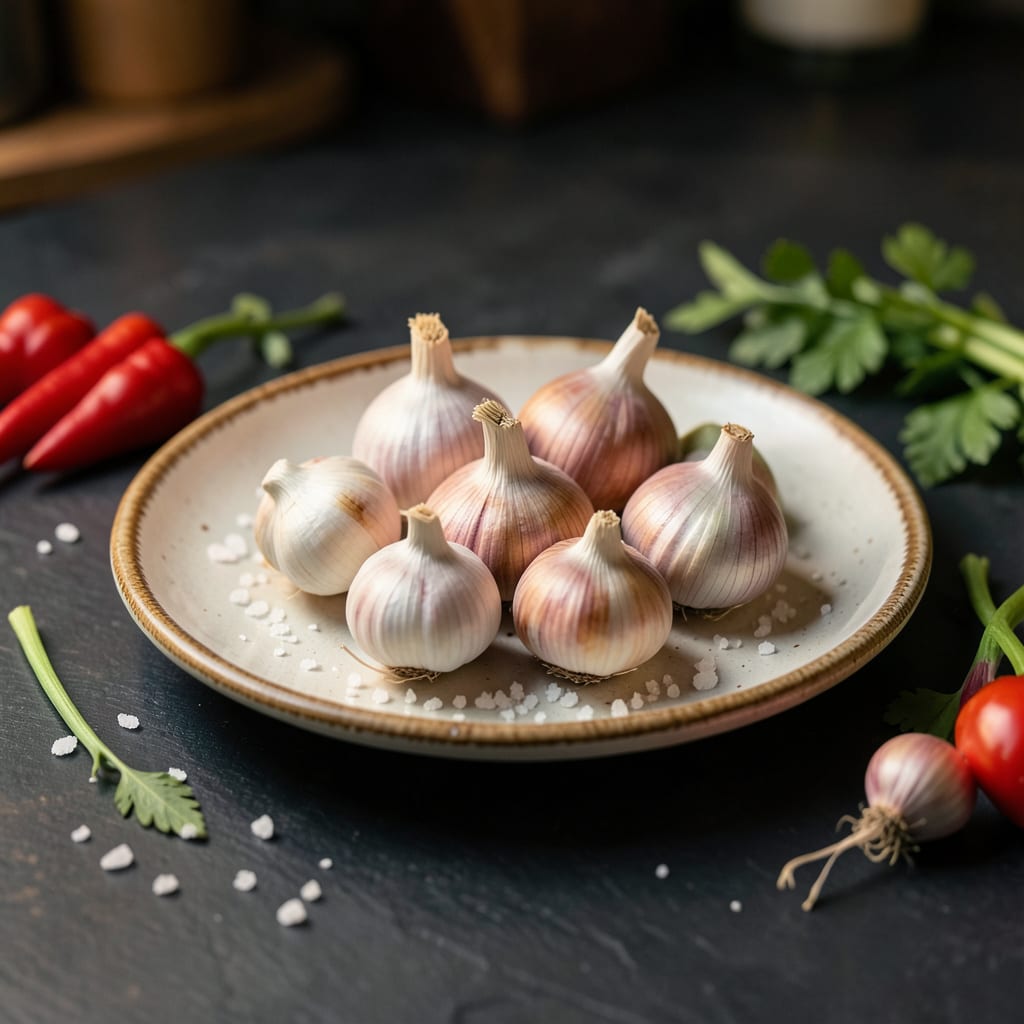
As a gardener in Virginia, you’re probably wondering when to plant garlic 🧄 for the best harvest. The timing is crucial, and getting it right can make all the difference in your crop’s success.
In Virginia’s climate, which falls within USDA zones 6b-8a, the ideal time to plant garlic is in the fall, typically between September and November. This allows the garlic to establish itself before the ground freezes.
When it comes to planting garlic in Virginia, timing is everything. The state’s climate, which ranges from USDA zone 6b to 8a, dictates that garlic should be planted in the fall. This allows the garlic to establish a strong root system before the ground freezes.
The ideal time to plant garlic in Virginia is typically between September and November, with October being the prime month. Planting during this period ensures that the garlic gets enough time to develop before winter.
Planting garlic in Virginia’s fall season gives it a head start on the growing season. The cool weather allows the garlic to develop without the stress of summer heat.
It’s essential to plant garlic at the right time to avoid poor yields or rot. Planting too early can lead to premature growth, while planting too late can result in inadequate root development.
Virginia’s average first frost date is around October 15, so gardeners should aim to plant garlic about 4-6 weeks before this date. This timeline allows the garlic to establish itself before the cold weather sets in.
For gardeners in different parts of Virginia, the planting time may vary slightly depending on the specific USDA zone. Those in warmer zones (like 8a) might plant a bit later, while those in cooler zones (like 6b) should plant earlier.
To ensure a successful harvest, gardeners should also consider factors like soil quality and moisture levels. Garlic prefers well-draining soil and consistent moisture during the growing season.
By planting garlic in the fall, Virginia gardeners can enjoy a bountiful harvest the following summer. With proper care and attention, garlic can be a rewarding crop for gardeners of all experience levels 🌼
Overall, understanding the best time to plant garlic in Virginia is crucial for a successful harvest. By following these guidelines and considering the state’s climate and seasonal patterns, gardeners can enjoy a healthy and productive garlic crop 🧄
Before planting garlic in Virginia, it’s essential to prepare the soil properly. Soil quality plays a significant role in determining the success of your garlic crop. Garlic prefers well-draining soil with a pH between 6.0 and 7.0. 🌟
To achieve the ideal soil conditions, start by testing your soil’s pH level and nutrient content. You can purchase a soil testing kit or consult with a local gardening expert to determine your soil’s specific needs.
Clear the area of any debris and weeds to prevent competition for nutrients.
Mix in compost or well-rotted manure to improve soil structure and fertility.
If your soil is too acidic or alkaline, adjust the pH level accordingly using lime or sulfur.
By following these steps, you can create a favorable environment for your garlic to grow. Proper soil preparation is crucial for a healthy and productive garlic crop. 🌼
In Virginia’s climate, it’s also important to consider the soil’s moisture-holding capacity. Garlic needs consistent moisture during the growing season, so incorporating organic matter can help retain moisture.
Additionally, consider rotating your crops to avoid depleting the soil of nutrients and to reduce the risk of pests and diseases. Garlic is a member of the Allium family, so avoid planting it in areas where other Alliums have been grown recently.
By taking the time to prepare your soil properly, you’ll be rewarded with a bountiful harvest of delicious garlic. With these tips and a little practice, you’ll be growing garlic like a pro in no time! 🌟
For more specific guidance on soil preparation and garlic cultivation in Virginia, consult with local gardening experts or your county’s cooperative extension office for more detailed information.
After planting garlic in Virginia, proper care is essential for a successful harvest. Garlic requires consistent moisture during the growing season, so regular watering is crucial.
Water garlic regularly during the growing season, providing about 1 inch of water per month. Reduce watering in winter months when the plants are dormant 🌟
In Virginia’s climate, garlic benefits from mulching to retain moisture and suppress weeds. Apply a layer of organic mulch around the plants to help regulate soil temperature and prevent soil erosion.
Garlic is also susceptible to pests and diseases in Virginia. Keep an eye out for signs of aphids, thrips, and fungal infections. Use organic pest control methods whenever possible to minimize harm to beneficial insects 🌿
As the garlic plants grow, they may require additional fertilization. Apply a balanced fertilizer in the spring when the plants start to green up. This will help promote healthy growth and bulb formation.
By following these care tips, Virginia gardeners can enjoy a bountiful harvest of delicious garlic. With proper care and attention, garlic can be a rewarding crop for gardeners of all experience levels 🧄
The ideal time to plant garlic in Virginia is in the fall, between September and November, with October being the prime month. This allows the garlic to establish a strong root system before the ground freezes. Planting during this period ensures that the garlic gets enough time to develop before winter.
To prepare your soil for garlic planting, test your soil’s pH level and nutrient content. Garlic prefers well-draining soil with a pH between 6.0 and 7.0. Add compost or well-rotted manure to improve soil structure and fertility. Remove any debris and weeds to prevent competition for nutrients.
Water your garlic plants regularly during the growing season, providing about 1 inch of water per month. Reduce watering in winter months when the plants are dormant. Consistent moisture is crucial for healthy garlic growth.
Garlic in Virginia is susceptible to aphids, thrips, and fungal infections. Keep an eye out for signs of these pests and diseases, and use organic pest control methods whenever possible to minimize harm to beneficial insects.
