
Beautiful Plants For Your Interior
Beautiful Plants For Your Interior
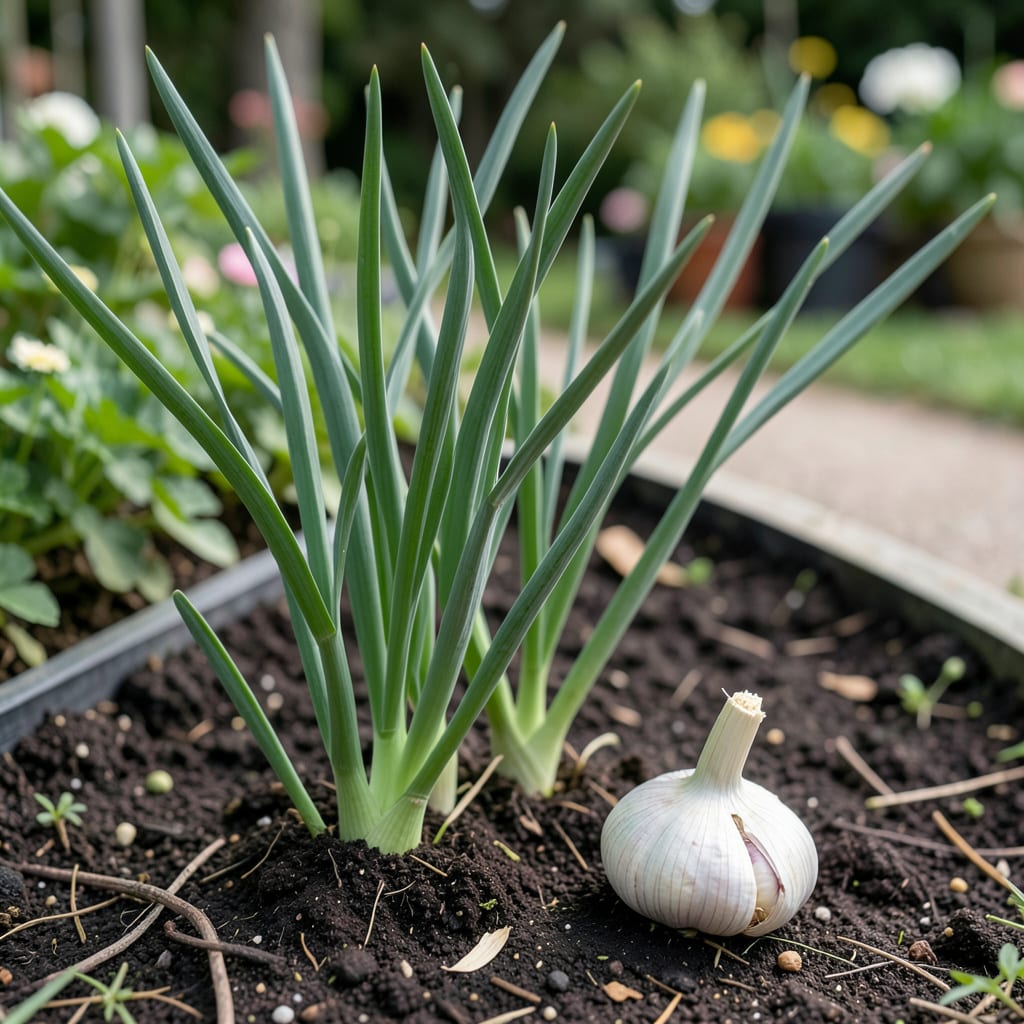
Planting 🧄 garlic in Zone 8 requires precise timing for a bountiful harvest. The ideal time is fall, from September to November, allowing cloves to establish roots before winter.
Understanding this timing is crucial for maximizing yields and flavor. I’ll guide you through the best practices for planting garlic in Zone 8, ensuring you’re equipped for a successful harvest.
Ideal Time
Also Good
Planting garlic in Zone 8 requires understanding the optimal timing for a successful harvest. The ideal time to plant is in the fall, typically between September and November. This allows the garlic cloves to establish roots before the ground freezes 🌟.
The exact planting time can vary slightly depending on your specific location within Zone 8. It’s generally recommended to plant garlic 4-6 weeks before the first frost. For Zone 8, this usually falls around late October to early November 📅.
The soil temperature is a critical factor when planting garlic. In Zone 8, the soil temperature cools down sufficiently by fall, creating ideal conditions for garlic planting 🌱.
Fall planting allows garlic to develop a strong root system before winter dormancy. This head start is crucial for healthy growth and better yields in the following spring and summer 🌼.
While it’s possible to plant garlic in early spring, fall planting is generally preferred in Zone 8 due to the region’s mild winters and the resulting better bulb formation 💡.
To ensure successful garlic cultivation, it’s essential to choose healthy cloves and prepare the soil properly before planting. This includes ensuring good drainage and adequate nutrient levels 🌿.
Garlic planted in Zone 8 typically takes 6-9 months to mature after planting. The harvest usually occurs in June or July of the following year, when the tops begin to yellow and fall over 📆.
Understanding these timing factors helps gardeners in Zone 8 plan their garlic crop effectively, ensuring a bountiful harvest of flavorful garlic 🧄.
By planting at the right time and following proper cultivation practices, gardeners can enjoy a successful garlic harvest that will enhance their culinary creations 🍳.
For more specific guidance tailored to your exact location within Zone 8, consider consulting local gardening resources or extension services for the most accurate advice 📚.
Preparing your Zone 8 garden for garlic planting is a crucial step that sets the stage for a successful harvest. The process begins with soil preparation, as garlic requires well-draining, fertile soil to thrive 🌿.
Start by testing your soil to determine its pH level and nutrient content. Garlic prefers a slightly acidic to neutral soil pH, between 6.0 and 7.0. Based on your soil test results, you may need to amend the soil with organic matter such as compost or well-rotted manure to improve its structure and fertility 🌼.
Select large, firm cloves from a reputable source. Avoid cloves that are soft, moldy, or showing signs of disease. For best results, use organic garlic that’s specifically labeled as suitable for planting 🌱.
Clear the area of any weeds or debris. Garlic is sensitive to competition, so ensure the planting bed is weed-free. Loosen the soil to a depth of 8-10 inches to allow for proper root development 🌟.
Plant individual cloves 2-3 inches deep and 4-6 inches apart, with the pointed end facing upward. Space rows about 12-18 inches apart to allow for easy access and air circulation. Cover the cloves with soil and water thoroughly 🔄.
By following these step-by-step guidelines, you’ll be well on your way to growing a healthy and productive garlic crop in your Zone 8 garden. Proper preparation and planting techniques are key to maximizing your garlic yield and enjoying a bountiful harvest 🧄.
For additional tips on maintaining your garlic crop throughout the growing season, be sure to check out our section on Caring for Your Garlic Crop in Zone 8 Climate for more detailed advice 📚.
Successful garlic cultivation in Zone 8 requires attention to detail and a commitment to providing the right growing conditions. With these preparation steps complete, your garlic is set up for success 🌟.
As you prepare your garden for garlic planting, remember that patience and consistency are key. Garlic takes time to mature, but with proper care, you’ll be rewarded with a flavorful and aromatic harvest 🍄.
After planting garlic in Zone 8 during the fall, proper care throughout the growing season is crucial for a successful harvest. The mild winters and warm summers in this region require specific attention to watering, mulching, and pest management 🌿.
Watering is essential during the growing season. Garlic needs consistent moisture, especially during the spring when the bulbs are forming. Water your garlic crop weekly during dry periods, ensuring the soil remains moist but not waterlogged 💧.
Apply a 2-3 inch layer of organic mulch around your garlic plants to retain moisture, suppress weeds, and regulate soil temperature. This is particularly beneficial in Zone 8’s climate, where winters can be mild and summers hot 🌼.
Mulching plays a significant role in garlic care. It helps retain soil moisture, suppresses weed growth, and regulates soil temperature. Use organic materials like straw or chopped leaves for mulching, and apply it after the ground has frozen to prevent rodent damage ❄️.
Pest and disease management is also crucial. Keep an eye out for signs of pests like aphids or diseases such as white rot. Regularly inspect your plants and use organic pest control methods when necessary to maintain a healthy crop 🐜.
As the garlic plants grow, they will send up scapes in late spring. Removing these scapes can help direct the plant’s energy towards bulb formation, resulting in larger garlic bulbs 🌸.
By following these care tips, you’ll be well on your way to harvesting a bountiful crop of garlic in Zone 8.
For more detailed information on harvesting garlic, refer to our section on When to Harvest Garlic in Zone 8 for specific guidance on timing and techniques 📚.
With proper care and attention, your garlic crop will thrive in Zone 8’s climate, providing you with flavorful bulbs for your culinary creations 🍳.
While it’s possible to plant garlic in early spring, fall planting is generally preferred in Zone 8. Fall planting allows garlic to develop a strong root system before winter, resulting in better bulb formation. For spring planting, choose a variety with a shorter maturation period.
Plant individual garlic cloves 2-3 inches deep with the pointed end facing upward. This depth helps protect the cloves from extreme temperatures and allows for proper root development. Space cloves 4-6 inches apart for optimal growth.
Garlic prefers well-draining, fertile soil with a pH between 6.0 and 7.0. Test your soil to determine its pH and nutrient levels, and amend it with organic matter if necessary. This will help create an ideal environment for your garlic crop to thrive.
Garlic is typically ready to harvest 6-9 months after planting, when the tops begin to yellow and fall over. Check for readiness by gently digging around the bulbs. Harvest when the bulbs feel firm and the skins are papery.
