
Beautiful Plants For Your Interior
Beautiful Plants For Your Interior
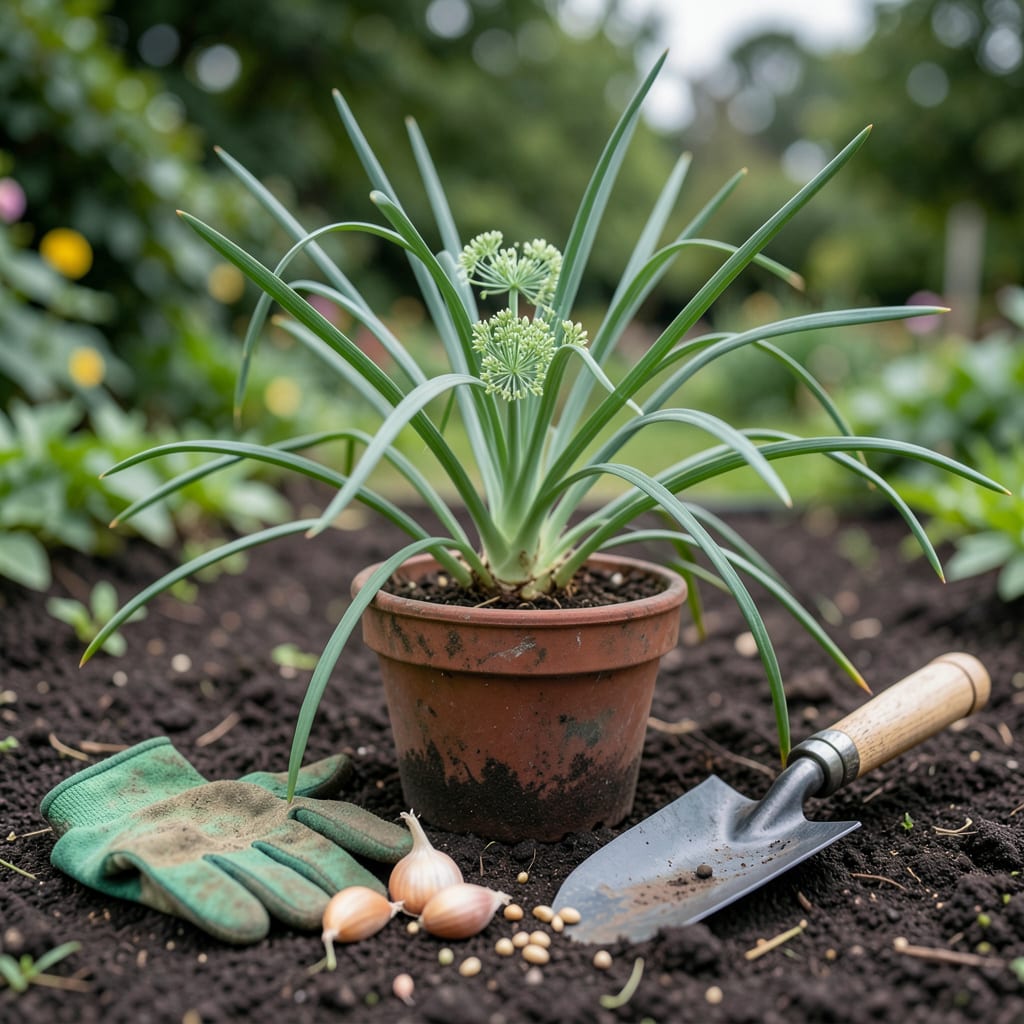
As the crisp fall air sets in across Washington State, gardeners eagerly prepare for their next crop. Planting 🧄 garlic in the fall is a time-honored tradition that requires precise timing to ensure a bountiful harvest next summer.
In Washington’s climate, particularly in USDA Zone 8b, the ideal time to plant garlic is during the fall season, typically between October and November. This allows the garlic to establish itself before the ground freezes.
Planting garlic in Washington State requires careful timing to ensure a successful harvest. The ideal time to plant garlic is in the fall, about 4-6 weeks before the ground freezes. This allows the garlic to establish a strong root system before winter.
In Washington State, which falls within USDA Zone 8b, the optimal planting window is typically between October and November. Planting during this period helps the garlic to thrive in the state’s climate.
The first frost date in Washington State typically occurs around October 15, so gardeners should plan to plant garlic about 4-6 weeks before this date. This timeframe allows the garlic to develop a robust root system before the onset of winter.
Regional variations within Washington State can affect the exact planting time. Gardeners in colder regions should plant earlier, while those in milder areas
may be able to plant a bit later. Understanding these regional differences is crucial for optimal garlic cultivation.To determine the best planting time for your specific area, consider the following factors:
By considering these factors and planting garlic during the recommended fall window, gardeners in Washington State can set themselves up for a successful garlic harvest the following summer.
Some additional tips to keep in mind when planting garlic in Washington State include:
By following these guidelines and planting garlic at the right time, Washington State gardeners can enjoy a bountiful harvest of delicious, homegrown garlic. 🌼
It’s also worth noting that garlic is typically ready to harvest in June or July of the following year, about 3-4 months after the last frost. Gardeners should keep an eye on their garlic plants and harvest them when the tops begin to yellow and fall over.
For more specific advice tailored to your region within Washington State, consider consulting with local gardening experts or checking with your county’s cooperative extension office. They can provide valuable insights into the best practices for garlic cultivation in your area.
Preparing the soil properly is a critical step in successful garlic cultivation in Washington State. The quality of your soil directly impacts the health and yield of your garlic crop. To create ideal growing conditions, focus on achieving well-draining soil with adequate nutrients 🌿.
Test your soil pH and amend it if necessary to achieve a pH between 6.0 and 7.0, which is ideal for garlic cultivation.
Start by testing your soil to determine its pH level and nutrient content. Garlic prefers a slightly acidic to neutral soil pH, between 6.0 and 7.0. Based on your soil test results, you may need to amend the soil to adjust its pH or add essential nutrients 🔍.
Garlic benefits from soil rich in organic matter. Incorporating compost or well-rotted manure into the soil can improve its structure, fertility, and overall health. This organic matter helps the soil retain moisture, suppress weeds, and regulate soil temperature 🌱.
Ensure your soil has good drainage. Garlic doesn’t thrive in waterlogged conditions, which can lead to rot and other diseases. If your soil tends to retain water, consider raising your beds or incorporating organic matter to improve drainage ☁️.
Remove any debris and weeds from the planting area. Weeds compete with garlic for water, nutrients, and light, which can negatively impact your crop’s growth and yield. A clean planting area also makes it easier to monitor and care for your garlic 🔄.
By following these soil preparation tips, you can create an optimal growing environment for your garlic in Washington State. Proper soil preparation sets the stage for healthy plant growth and a bountiful harvest 🌼.
For more specific advice on soil preparation tailored to your region within Washington State, consider consulting with local gardening experts or checking with your county’s cooperative extension office. They can provide valuable insights into the best practices for garlic cultivation in your area 📚.
Additionally, consider rotating your crops to avoid depleting the soil of nutrients and to reduce the risk of disease buildup. A 3-4 year crop rotation plan can help maintain soil health and optimize garlic yields 🔁.
After planting garlic in Washington State, proper care is essential to ensure a healthy crop and bountiful harvest. One of the most critical factors is maintaining optimal soil conditions throughout the growing season 🌿.
During the winter months, garlic requires minimal care as it is dormant. However, it’s crucial to check on the crop periodically to ensure that the mulch layer remains intact and the soil doesn’t become too dry ❄️.
In the spring, as the weather warms up and garlic begins to grow again, continue to monitor soil moisture and keep the area weed-free. This will help promote healthy growth and maximize your garlic yield 🌼.
By following these post-planting care tips, gardeners in Washington State can enjoy a successful garlic harvest.
For more specific advice on post-planting care tailored to your region within Washington State, consider consulting with local gardening experts or checking with your county’s cooperative extension office. They can provide valuable insights into the best practices for garlic cultivation in your area 📚.
The ideal time to plant garlic in Washington State is in the fall, between October and November. This allows the garlic to establish a strong root system before winter. Planting during this period helps the garlic thrive in the state’s climate.
To prepare the soil for garlic, test its pH level and nutrient content. Garlic prefers a slightly acidic to neutral soil pH, between 6.0 and 7.0. Add compost or well-rotted manure to improve soil structure and fertility.
Water garlic regularly during the fall and spring, but avoid overwatering, which can lead to rot. Check soil moisture periodically and adjust watering accordingly. In winter, garlic requires minimal care as it’s dormant.
Garlic is typically ready to harvest in June or July of the following year, about 3-4 months after the last frost. Check for signs of readiness, such as yellowing and drying of the lower leaves. Harvest when the bulbs are firm and the skin is papery.
