
Beautiful Plants For Your Interior
Beautiful Plants For Your Interior
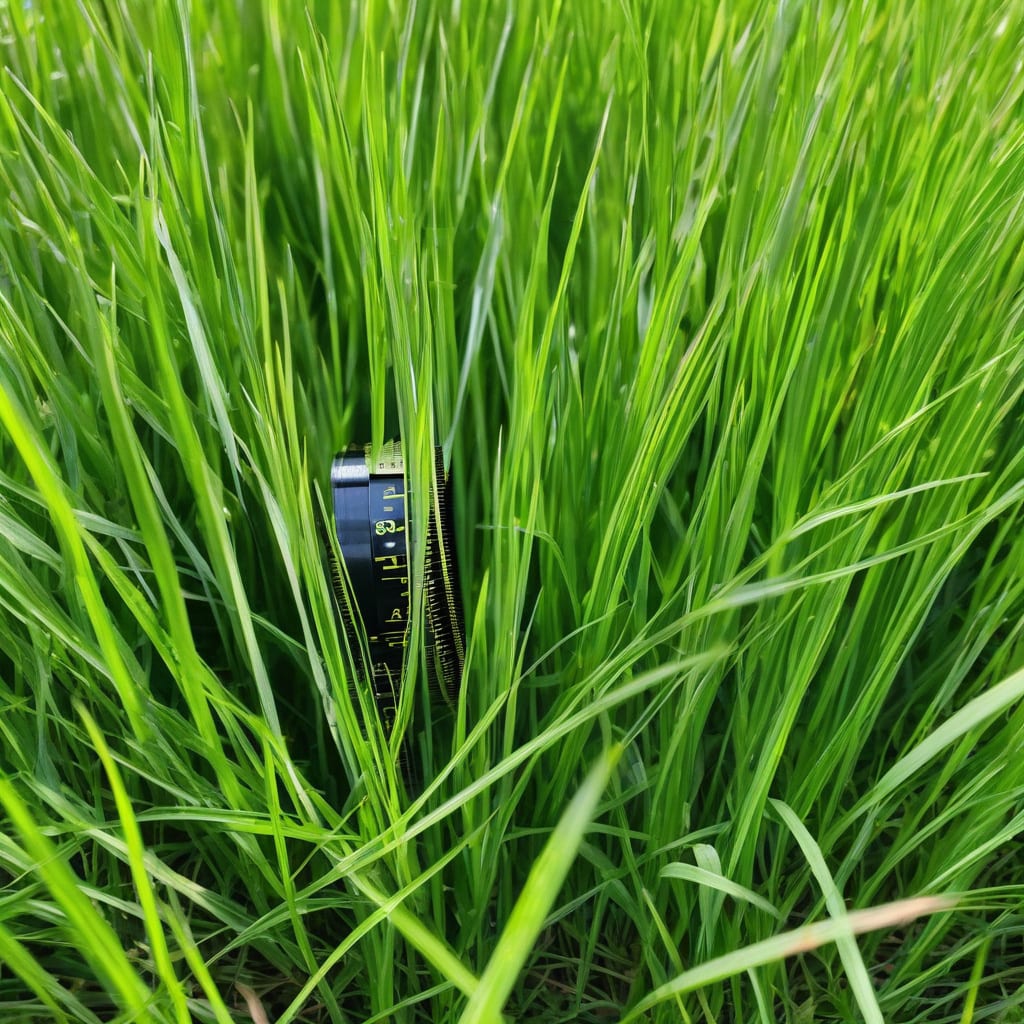
When it comes to lawn care, understanding the growth patterns of your grass is crucial. Perennial Ryegrass 🌿 is a popular choice for many homeowners, but have you ever wondered how tall it can actually grow?
As a cool-season grass thriving in USDA Zone 6, Perennial Ryegrass typically reaches heights between 1 to 3 feet. Let’s explore the factors that influence its growth and how to maintain it for optimal results.


Perennial ryegrass is known for its rapid growth and ability to reach heights between 1 to 3 feet. Understanding the factors that influence its height potential is crucial for maintaining a healthy lawn.
The height of perennial ryegrass is influenced by several factors, including climate, soil quality, mowing practices, and seed variety. Let’s explore these factors in more detail.
Understanding these factors helps you make informed decisions about your perennial ryegrass lawn. By optimizing climate conditions, soil quality, and mowing practices, you can achieve the best possible growth and health for your lawn 🌿.
The ideal growing conditions for perennial ryegrass include full sun to partial shade and consistent moisture. Maintaining these conditions will help your perennial ryegrass reach its full height potential and thrive.
In addition to the factors mentioned,
By understanding the factors that influence perennial ryegrass height, you can take steps to optimize its growth and achieve a healthy, lush lawn. Regular maintenance, including proper mowing and fertilization, will help your perennial ryegrass reach its full potential.
Proper care and maintenance are essential for achieving the best results with perennial ryegrass. By
For more information on caring for perennial ryegrass, including tips on mowing, fertilizing, and watering, continue reading the next section.
Perennial ryegrass is a versatile and attractive option for lawns, offering a bright green color and fine texture. Its ability to withstand heavy foot traffic makes it an excellent choice for families and pet owners.
With proper care, perennial ryegrass can provide a beautiful, functional lawn for years to come. By understanding its growth patterns and needs, you can enjoy a healthy, thriving outdoor space that enhances your quality of life 🌿.
In summary, perennial ryegrass is a popular, versatile grass that can thrive in a variety of conditions. By understanding its needs and following proper care guidelines, you can achieve a beautiful, healthy lawn that you’ll enjoy for years to come.
Maintaining the right height for perennial ryegrass is crucial for its overall health and appearance. The ideal height for perennial ryegrass typically ranges between 2 to 3 inches when maintained regularly.
To achieve optimal growth, it’s essential to follow proper mowing practices. Mowing at the recommended height helps promote healthy growth and prevents disease. Regular mowing also encourages the grass to grow thicker and more resilient.
Maintain your lawn mower at a height of 2 to 3 inches to promote healthy growth.
Use a balanced fertilizer during the growing season to support optimal growth.
Ensure your perennial ryegrass receives consistent moisture, especially during dry spells.
By following these steps, you can maintain your perennial ryegrass at an optimal height, promoting a healthy, lush lawn that is both functional and visually appealing 🌿.
Regular maintenance is key to achieving the best results with perennial ryegrass. By understanding its needs and following proper care guidelines, you can enjoy a beautiful, thriving outdoor space that enhances your quality of life.
In addition to mowing, fertilizing, and watering, it’s essential to monitor your lawn for any signs of stress or disease. Early detection and intervention can help prevent issues from becoming more severe.
With proper care and attention, perennial ryegrass can provide a beautiful, functional lawn for years to come. By understanding its growth patterns and needs, you can enjoy a healthy, thriving outdoor space that you’ll love spending time in 🌿.
When choosing the right grass for your lawn, understanding how different types compare in terms of height is essential. Perennial ryegrass typically grows between 1 to 3 feet tall, but how does it stack up against other common lawn grasses?
Let’s examine the height characteristics of various grass types to help you make an informed decision for your lawn care needs.
As shown in the comparison table, perennial ryegrass has a moderate height range compared to other common lawn grasses. Understanding these differences helps you choose the best grass type for your specific lawn care needs and preferences 🌿.
By comparing the height characteristics of different grass types, you can make a more informed decision about which grass is best suited for your lawn.
The height of perennial ryegrass makes it a versatile option for various landscaping needs. Whether you’re looking for a grass that can be maintained at a shorter height or one that can grow taller, perennial ryegrass is worth considering.
In conclusion, perennial ryegrass offers a competitive height range compared to other grass types, making it a viable option for many homeowners. Its rapid growth rate and adaptability are additional benefits that contribute to its popularity 🌿.
