
Beautiful Plants For Your Interior
Beautiful Plants For Your Interior
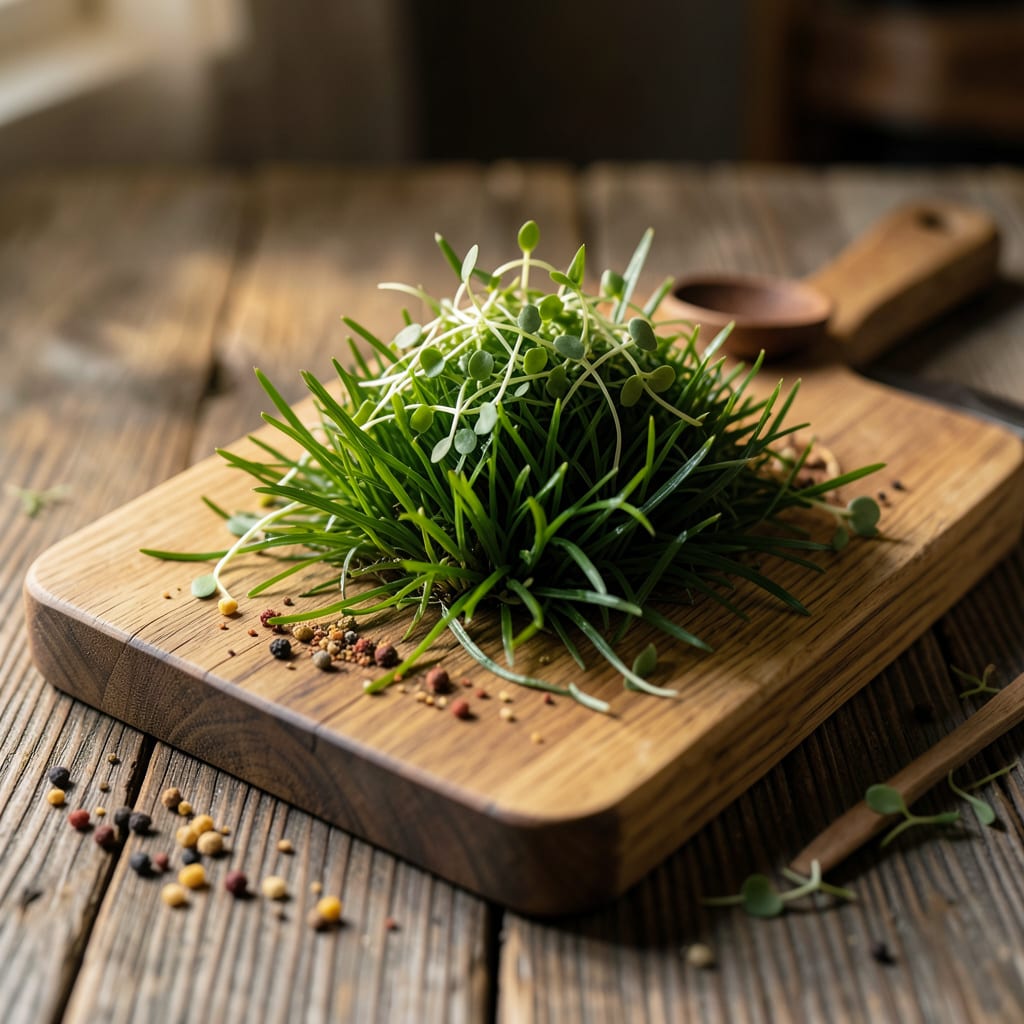
Fertilizing your Centipede Grass 🌿 in North Carolina at the right time is crucial for a lush, healthy lawn. The state’s climate, particularly in zones 7b and 8a, requires careful timing to ensure your grass thrives.
Timing is everything when it comes to fertilizing Centipede Grass. I’ll guide you through the best times and tips to keep your lawn looking its best throughout the year.

Understanding the optimal fertilization schedule for centipede grass in North Carolina is crucial for maintaining a healthy lawn. The state’s climate, particularly in zones 7b and 8a, requires careful timing to ensure your grass thrives throughout the year 🌿.
Fertilization timing is critical for centipede grass, as it directly impacts the lawn’s health and appearance. In North Carolina, the ideal fertilization periods are during the growing season when the grass can best utilize the nutrients.
The fertilization schedule should be adjusted according to the specific needs of your centipede grass lawn. Factors such as soil type, climate conditions, and the grass’s overall health play a significant role in determining the best fertilization strategy.
In North Carolina, centipede grass typically requires fertilization during its active growing season, which is from April to July. During this period, the grass benefits from nutrient-rich fertilizers that promote healthy growth and development 🌻.
Soil conditions are also a critical factor. Centipede grass prefers well-draining, acidic soils. Fertilizers should be chosen based on soil test results to ensure they address any specific nutrient deficiencies.
The NPK ratio of the fertilizer is another important consideration. For centipede grass, a fertilizer with a ratio of 15-0-15 is often recommended, as it provides the necessary nutrients without over-fertilizing 🌱.
Timing the fertilization correctly is essential to avoid damaging the grass. Fertilizing during the cooler parts of the day, such as early morning, can help reduce the risk of burning the grass.
By following these guidelines and understanding the specific needs of your centipede grass lawn, you can create an effective fertilization plan that promotes a lush, healthy lawn throughout the year 🌿.
Regular soil testing is recommended to determine the nutrient needs of your lawn. This helps in selecting the right type and amount of fertilizer, ensuring that your centipede grass receives the necessary nutrients for optimal growth.
Local climate conditions in North Carolina can vary, so it’s essential to stay informed about weather patterns and adjust your fertilization schedule accordingly. This flexibility helps in maintaining the health and resilience of your lawn.
Consulting with local lawn care professionals can provide valuable insights and tailored advice for your specific lawn care needs. They can offer guidance on the best fertilization practices and help you achieve the best results for your centipede grass lawn.
By understanding the best times to fertilize and following a well-planned fertilization schedule, you can enjoy a vibrant and healthy centipede grass lawn in North Carolina 🌻.
Maintaining a healthy centipede grass lawn in North Carolina requires more than just knowing when to fertilize – it involves understanding the right fertilization techniques and best practices 🌿.
Proper fertilization is critical for promoting healthy growth and maintaining the vibrant color of your centipede grass. I’ll share practical tips on fertilizer types, application rates, and timing to help you achieve the best results.
For centipede grass in North Carolina, use a balanced, slow-release fertilizer with an NPK ratio of 15-0-15. Apply at a rate of 1 lb per 1000 sqft during the growing season (April-July).
The type of fertilizer you choose is crucial. Centipede grass benefits from fertilizers that are low in phosphorus, as excessive phosphorus can harm the grass and the environment 🌱.
Application rates should be carefully followed to avoid over-fertilizing, which can damage your lawn and contribute to environmental pollution. Always follow the manufacturer’s instructions for the recommended application rate.
Timing your fertilization correctly is also essential. For centipede grass in North Carolina, fertilize after green-up in spring and maintain with lighter applications every 6-8 weeks during the growing season 🌻.
Soil testing is a valuable practice that helps determine the nutrient needs of your lawn. By understanding your soil’s nutrient levels, you can choose the right type and amount of fertilizer, ensuring your centipede grass receives exactly what it needs for optimal growth.
Local climate conditions can affect your fertilization schedule. Stay informed about weather patterns and adjust your fertilization plan accordingly to maintain the health and resilience of your lawn.
By following these fertilization tips and best practices, you can enjoy a lush, vibrant centipede grass lawn in North Carolina that enhances your outdoor space 🌿.
Fertilizing centipede grass in North Carolina requires careful consideration to avoid common mistakes that can harm your lawn 🌿.
Over-fertilization is a frequent error that can damage centipede grass. Applying too much fertilizer can cause excessive growth, making the grass more susceptible to disease and pests.
Avoid fertilizing centipede grass in North Carolina during the fall and winter months, as this can promote weak growth and make the grass more vulnerable to disease and pests.
Incorrect fertilizer type is another common mistake. Using a fertilizer with high phosphorus content can harm centipede grass and the environment 🌱.
Soil testing is essential to determine the nutrient needs of your lawn. By understanding your soil’s nutrient levels, you can choose the right type and amount of fertilizer.
Proper timing is also crucial. Fertilizing at the wrong time can stress the grass and lead to poor health. For centipede grass in North Carolina, fertilize after green-up in spring and maintain with lighter applications every 6-8 weeks during the growing season 🌻.
By avoiding these common mistakes and following best practices, you can maintain a healthy, vibrant centipede grass lawn in North Carolina 🌿.
The best time to fertilize centipede grass in North Carolina is after green-up in spring, typically around April. This allows the grass to benefit from nutrients during its active growing season. Fertilizing at this time promotes healthy growth and development.
For centipede grass in North Carolina, it’s recommended to fertilize every 6-8 weeks during the growing season, which is from April to July. This maintains the grass’s health and vibrant color without over-fertilizing.
A balanced, slow-release fertilizer with an NPK ratio of 15-0-15 is ideal for centipede grass. This type provides necessary nutrients without excessive phosphorus, which can harm the grass and environment.
No, it’s generally advised to avoid fertilizing centipede grass in North Carolina during the fall and winter months. Fertilizing during these periods can promote weak growth and make the grass more susceptible to disease and pests.
