
Beautiful Plants For Your Interior
Beautiful Plants For Your Interior
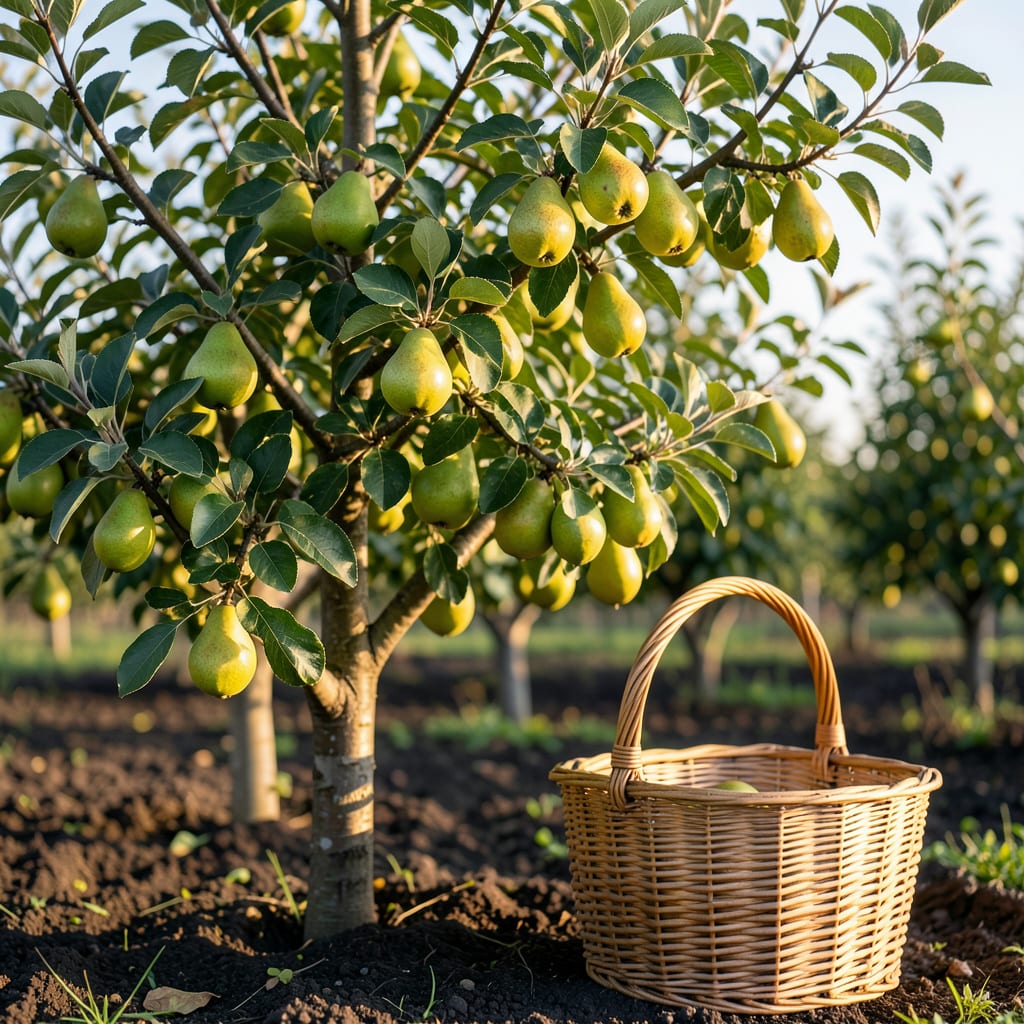
Picking pears 🍐 at the right time is crucial for enjoying their sweet flavor and tender texture. In USDA Zone 6, where I live, the ideal harvest time is typically between August and September.
I always check for signs of ripeness, like a change in skin color and a slight give near the stem. By understanding these cues, you’ll be able to enjoy your pears at their best – and I’ll share more about that in this guide.


Picking pears at the right time is crucial for enjoying their sweet flavor and tender texture. Knowing when to harvest can make all the difference between a delicious fruit and a disappointing one.
I always check for signs of ripeness, like a change in skin color and a slight give near the stem. Different pear varieties have different indicators, but there are some common signs to look out for.
The exact timing varies by variety and climate. In my USDA Zone 6 garden, August to September is typically the best time to harvest pears.
For example, Bartlett pears usually change from green to yellow when ripe, while red varieties like Red Anjou turn from green to red. Checking the fruit regularly is essential to catch them at peak ripeness.
Climate conditions also play a significant role in determining harvest time. Cooler summers can delay ripening, while warmer temperatures can accelerate it. I always keep an eye on the weather forecast to anticipate how it might affect my pear trees.
Another critical factor is the days since flowering. Most pear varieties are ready to harvest about 120 to 150 days after flowering. Keeping a record of when your trees flower can help you predict when to expect the fruit to be ready.
It’s also helpful to test the fruit by gently tugging on it. If it comes off the tree easily, it’s likely ready. If not, it may need a few more days to mature.
Some pears, like Bartlett, are best picked when they’re still a bit firm, as they’ll continue to ripen off the tree. Others, like Asian pears, are best eaten when they’re ripe on the tree.
By paying attention to these signs and understanding your specific variety’s characteristics, you can enjoy your pears at their best flavor and texture.
Regular monitoring is key, as pears can go from unripe to overripe quickly. Checking your trees frequently during harvest season ensures you don’t miss the optimal picking window.
With practice, you’ll become more attuned to the specific needs and signals of your pear trees, making each harvest season more successful than the last.
Harvesting pears at peak ripeness is crucial for enjoying their best flavor and texture. I’ve learned that handling pears carefully during harvest is just as important as knowing when to pick them.
When harvesting, I always use clean, sharp pruning shears or scissors to avoid damaging the fruit or the tree. This helps prevent disease and promotes healthy tree growth.
For pears that continue to ripen off the tree, like Bartlett, pick them when they’re slightly firm but showing signs of color change. For varieties that don’t ripen off the tree, like Asian pears, let them ripen on the tree until they’re tender to the touch.
After harvesting, I handle pears gently to avoid bruising. I store them in a cool, dry place, away from direct sunlight. For most varieties, refrigeration can help extend their freshness.
It’s also essential to check on stored pears regularly. Some pears, like Bartlett, will continue to ripen after being picked, so monitoring their ripeness is crucial to enjoy them at their best.
By following these best practices, you can enjoy your homegrown pears at their peak flavor and texture, and make the most of your harvest. Regular checks and proper storage will help you savor your pears for a longer period.
Proper handling and storage not only preserve the quality of your pears but also enhance your overall harvesting experience. With these tips, you’ll be well on your way to becoming a successful pear harvester.
Enjoy the fruits of your labor and happy harvesting! 🍐
Proper storage is crucial for maintaining the freshness and quality of your harvested pears. I always
After harvesting, I store pears in a cool, dry place, away from direct sunlight. The ideal storage temperature is between 30°F to 40°F (-1°C to 4°C), with a relative humidity of 90%.
Some pear varieties, like Bartlett, will continue to ripen after being picked. For these, I store them at room temperature until they’re ripe, then move them to the refrigerator to prolong their freshness.
For long-term storage, I use perforated plastic bags or paper bags to maintain humidity and prevent moisture buildup. This helps to keep the pears fresh for several months.
By following these storage tips, you can enjoy your homegrown pears for a longer period and make the most of your harvest. Proper storage not only preserves the quality of your pears but also enhances your overall harvesting experience.
With a little care and attention, your pears will remain fresh and delicious, ready to be enjoyed whenever you want. Happy storing! 🍐
Check for signs of ripeness such as a change in skin color, a slight give near the stem, and easy detachment from the tree. Different pear varieties have different indicators, so it’s essential to understand your specific variety’s characteristics. Regular monitoring is key to catching them at peak ripeness.
Yes, you can store pears after picking. Store unripe pears at room temperature until they ripen, then refrigerate them to prolong freshness. Keep pears away from strong-smelling foods, as they can absorb odors easily. Check on stored pears regularly for signs of ripening or spoilage.
Handle pears gently to avoid bruising, and use clean, sharp pruning shears or scissors to avoid damaging the fruit or the tree. This helps prevent disease and promotes healthy tree growth. Proper handling ensures you enjoy your pears at their best flavor and texture.
The ideal storage temperature for pears is between 30°F to 40°F (-1°C to 4°C), with a relative humidity of 90%. For long-term storage, use perforated plastic bags or paper bags to maintain humidity and prevent moisture buildup. This helps keep pears fresh for several months.
