
Beautiful Plants For Your Interior
Beautiful Plants For Your Interior
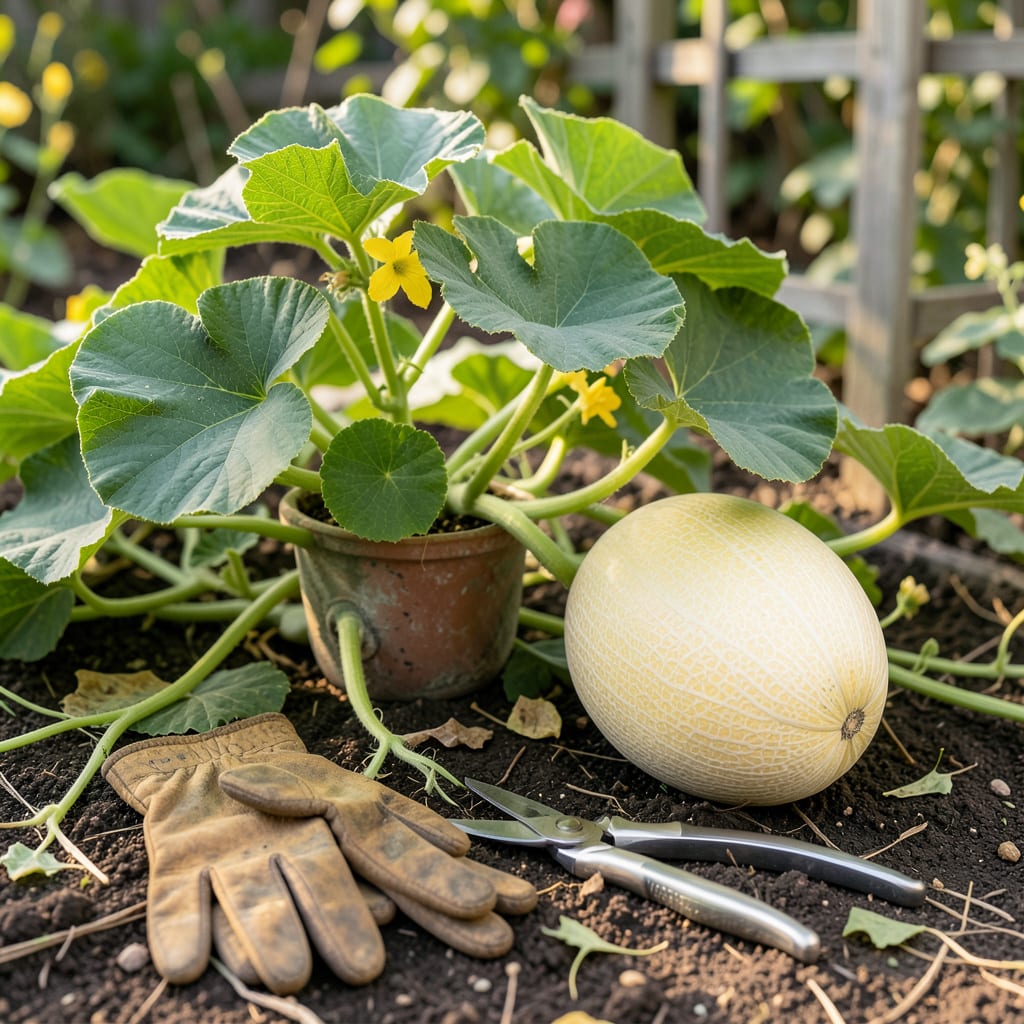
Picking honeydew 🍈 at the right time is crucial for enjoying its sweet flavor. In USDA Zone 6, honeydew melons typically mature between July and August, after planting in spring.
To get it just right, you’ll need to watch for signs of ripeness – I’ll show you exactly what to look for to harvest your honeydew at peak flavor and texture.


Knowing when to harvest your honeydew melon is crucial for enjoying its sweet flavor. The first sign to look for is a change in the fruit’s color and texture. A ripe honeydew will typically turn a creamy-yellow color and develop a slightly soft skin.
Another important indicator is the sweet aroma that ripe honeydew melons emit. If you notice a sweet, fragrant smell coming from the fruit, it’s likely ready to be picked. The stem attachment is also a good indicator – a ripe honeydew will usually slip off the vine with a gentle twist 🌟
It’s also worth noting that honeydew melons do not continue to ripen after being picked, so it’s essential to wait until they’re fully ripe on the vine. Checking your honeydew regularly is key to catching it at the perfect harvest time 🍈
For gardeners in USDA Zone 6, honeydew melons are typically ready to harvest in late July to early August. However, the exact timing can vary depending on factors like weather conditions and specific variety 🌱
To ensure you’re picking your honeydew at the right time,
When checking for ripeness, gently press the skin of the honeydew with your thumb. A ripe melon will yield to pressure, but should still feel slightly firm, not soft. If it’s too hard, it’s not ready yet; if it’s too soft, it may be overripe 🔍
Another method to check for ripeness is to examine the stem end. A ripe honeydew will have a dry, brown stem where it attached to the vine. If the stem is still green or moist, the melon may not be fully ripe yet 🌿
By paying attention to these signs and checking your honeydew regularly, you can enjoy a bountiful harvest of sweet, juicy melons at the peak of freshness.
Regular monitoring is key because honeydew melons can go from perfectly ripe to overripe quickly. Check your vines every few days as the melons approach maturity to catch them at the right time ⏰
With these tips, you’ll be well on your way to harvesting delicious honeydew melons right in your own garden. Happy harvesting! 🎉
Checking honeydew ripeness directly on the vine is crucial for harvesting at peak flavor. I always start by gently squeezing the melon – a ripe honeydew will yield to gentle pressure but should still feel slightly firm, not soft. If it’s too hard, it’s not ready; if too soft, it may be overripe.
Always check multiple melons as honeydew ripens at different rates even on the same vine. The stem condition is another critical indicator – a ripe honeydew will have a dry, brown stem where it attached to the vine.
The color change is another important indicator of ripeness. A ripe honeydew typically turns from green to a creamy-yellow color. This color change usually starts at the blossom end and moves towards the stem end.
When checking for ripeness, I recommend examining the stem end closely. A ripe honeydew will have a slight indentation where it was attached to the vine, and the surrounding area will be slightly soft. If the stem is still green or moist, the melon may not be fully ripe yet.
Another method to verify ripeness is to check for a sweet, fragrant aroma. Ripe honeydew melons emit a distinct sweet smell that’s unmistakable. If you notice this fragrance, it’s likely your honeydew is ready to harvest.
For gardeners in USDA Zone 6, honeydew melons are typically ready to harvest in late July to early August. However, weather conditions and specific variety can affect the exact timing.
Regular monitoring is crucial because honeydew can go from perfectly ripe to overripe quickly. I recommend checking your vines every few days as the melons approach maturity.
By combining these methods – gentle squeeze, stem check, and color assessment – you can accurately determine when your honeydew is ready to pick. This careful observation will ensure you harvest your melons at the peak of flavor and freshness 🌟
After harvesting your honeydew, proper handling is crucial to maintain its quality and freshness. First, I recommend handling the melons gently to avoid any bruising or damage that can affect their storage life.
Store harvested honeydew melons at cool room temperature or in the refrigerator to maintain freshness. Avoid storing near strong-smelling foods as honeydew can absorb odors easily.
For short-term storage, you can keep honeydew melons at room temperature for up to 3 days if they are not fully ripe. However, once ripe, they should be stored in the refrigerator to prolong their freshness.
When storing in the refrigerator, place the honeydew melon in a plastic bag or wrap it in plastic wrap to maintain humidity and prevent moisture loss. This method can help keep the melon fresh for up to 5 days.
It’s also worth noting that honeydew melons are best consumed within a few days of harvesting for optimal flavor and texture. As they age, they may become overripe and lose their characteristic sweetness and freshness 🌟
To check if a stored honeydew has gone bad, look for signs of mold, soft spots, or an off smell. If you notice any of these signs, it’s best to discard the melon to avoid foodborne illness.
By following these storage tips, you can enjoy your harvested honeydew melons at their best quality for a longer period. Proper storage not only maintains the flavor but also helps in preserving the nutritional value of the fruit 🍈
A ripe honeydew will have a creamy-yellow color, a sweet aroma, and will yield to gentle pressure. The stem end will also be dry and brown. Check your honeydew regularly as it can go from perfectly ripe to overripe quickly
No, honeydew melons do not continue to ripen after being picked. They must be allowed to ripen on the vine. This is why it’s crucial to wait until they’re fully ripe before harvesting
Store harvested honeydew melons at cool room temperature or in the refrigerator to maintain freshness. You can keep them at room temperature for up to 3 days if not fully ripe, and in the refrigerator for up to 5 days once ripe
An overripe honeydew will be too soft to the touch, may have soft spots or mold, and will likely have an off smell. It’s best to check on your stored honeydew regularly to catch it before it becomes overripe
