
Beautiful Plants For Your Interior
Beautiful Plants For Your Interior
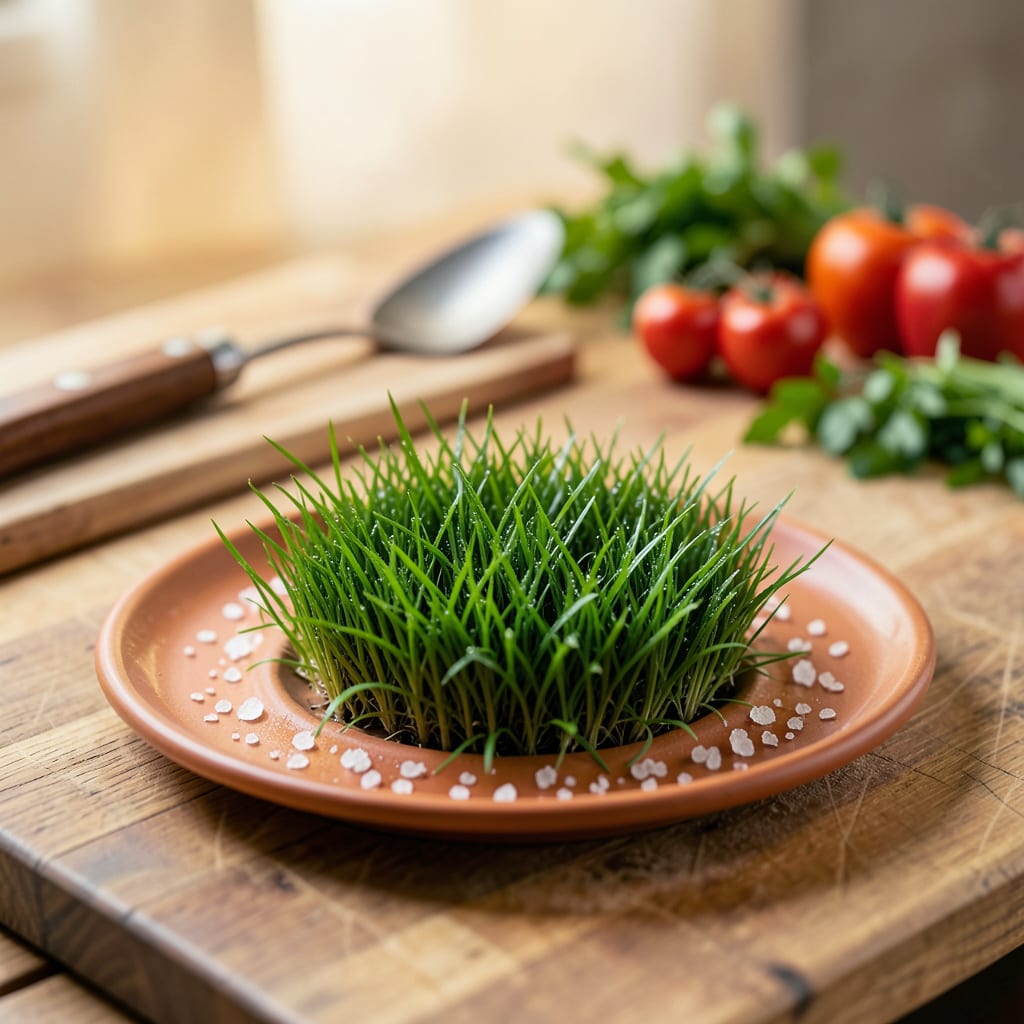
Fertilizing your Centipede Grass 🌿 in Georgia at the right time is crucial for a lush, healthy lawn. As someone who’s worked with lawn care, I know that timing is everything – especially in Georgia’s climate.
In Georgia’s USDA Zone 8a, you’ll want to fertilize your Centipede Grass during its active growing season. Let’s dive into the best times and methods to keep your lawn looking its best.

Fertilizing centipede grass in Georgia requires understanding the optimal timing for the state’s climate. In Georgia’s USDA Zone 8a, centipede grass typically begins its active growing season in late spring. The ideal fertilization period is during this active growth phase.
The best fertilization times for centipede grass in Georgia are in late spring and early summer. This period, typically from April to July, is when the grass is actively growing and can best utilize the nutrients.
The fertilizer type is also crucial. For centipede grass, a balanced, slow-release fertilizer with an NPK ratio of 15-0-15 is recommended. This type of fertilizer provides the necessary nutrients without overloading the lawn with excessive nitrogen.
When applying fertilizer, it’s essential to follow the recommended application rates. For centipede grass, the application rate is typically 1 lb per 1000 sqft. Over-fertilization can damage the lawn, so it’s better to err on the side of caution.
Timing is also critical when it comes to fertilization. The early morning is considered the best time to fertilize centipede grass, as it allows the grass to absorb the nutrients throughout the day.
It’s worth noting that centipede grass has different fertilization needs during different seasons. In the spring, fertilization should occur after green-up. During the summer, maintain fertilization during peak growth. In the fall, a light feed can help prepare the grass for dormancy. In the winter, fertilization is not necessary as the grass is dormant.
By following this fertilization schedule and using the right type of fertilizer, you can maintain a healthy, lush centipede grass lawn in Georgia 🌿.
For more specific guidance tailored to your lawn’s conditions, consider consulting with a local lawn care professional. They can provide advice based on your soil type, climate conditions, and other factors specific to your area.
Additionally, always read and follow the instructions on the fertilizer package to ensure you’re applying the correct amount and type for your centipede grass.
Regular soil testing can also help determine if your lawn needs additional nutrients beyond the standard fertilization schedule. This can help prevent over-fertilization and ensure your lawn remains healthy.
By understanding the best times to fertilize and how to do it correctly, you can enjoy a vibrant, thriving centipede grass lawn throughout the growing season 🌿.
When it comes to fertilizing centipede grass in Georgia, understanding the right type of fertilizer and application timing is crucial. The state’s climate and soil conditions require specific considerations to maintain a healthy lawn 🌿.
For centipede grass, a balanced, slow-release fertilizer is recommended. The ideal NPK ratio is 15-0-15, providing necessary nutrients without excessive nitrogen. This type of fertilizer supports healthy growth during the active growing season.
Fertilize in early morning when dew is still present to help granules stick to grass blades. Avoid fertilizing during peak heat or before heavy rain.
The application rate for centipede grass is typically 1 lb per 1000 sqft. It’s essential to follow this rate to avoid over-fertilization, which can damage the lawn.
Georgia’s climate means that centipede grass has different fertilization needs throughout the year. In spring, fertilize after green-up. During summer, maintain fertilization during peak growth. In fall, a light feed can help prepare the grass for dormancy.
Soil testing is also crucial. It helps determine if your lawn needs additional nutrients beyond the standard fertilization schedule, preventing over-fertilization and ensuring a healthy lawn.
By following these fertilization tips and using the right type of fertilizer, you can maintain a lush, vibrant centipede grass lawn in Georgia’s climate 🌿.
For more specific guidance tailored to your lawn’s conditions, consider consulting with a local lawn care professional. They can provide advice based on your soil type and climate conditions.
Regular maintenance, including proper mowing and watering practices, also supports the overall health of your centipede grass lawn.
When fertilizing centipede grass in Georgia, it’s essential to avoid common mistakes that can damage your lawn. One of the most significant errors is over-fertilization, which can cause excessive growth, leading to thatch buildup and increased susceptibility to disease and pests.
Avoid fertilizing centipede grass too frequently or with too much nitrogen, as this can lead to lawn damage and increased maintenance.
Another mistake is fertilizing at the wrong time. Centipede grass has different fertilization needs during different seasons. In spring, fertilize after green-up. During summer, maintain fertilization during peak growth. In fall, a light feed can help prepare the grass for dormancy. In winter, fertilization is not necessary as the grass is dormant.
Using the wrong type of fertilizer is also a common mistake. For centipede grass, a balanced, slow-release fertilizer with an NPK ratio of 15-0-15 is recommended. This type of fertilizer provides the necessary nutrients without overloading the lawn with excessive nitrogen.
To maintain a healthy, lush centipede grass lawn in Georgia, it’s crucial to follow the recommended fertilization schedule and use the right type of fertilizer. By avoiding common fertilization mistakes, you can enjoy a vibrant, thriving lawn throughout the growing season 🌿.
For more specific guidance tailored to your lawn’s conditions, consider consulting with a local lawn care professional. They can provide advice based on your soil type, climate conditions, and other factors specific to your area.
The best time to fertilize centipede grass in Georgia is during its active growing season, typically from April to July. This period allows the grass to utilize the nutrients effectively. Fertilizing during this time promotes healthy growth and maintains a lush lawn .
For centipede grass in Georgia, it’s recommended to fertilize every 6-8 weeks during the growing season. This frequency ensures that your lawn receives the necessary nutrients without over-fertilizing. Be sure to follow the recommended application rates to avoid damaging your lawn.
A balanced, slow-release fertilizer with an NPK ratio of 15-0-15 is ideal for centipede grass. This type of fertilizer provides the necessary nutrients for healthy growth without excessive nitrogen. It’s also important to consider soil testing to determine if your lawn needs additional nutrients.
Yes, a light feed in the fall can help prepare centipede grass for dormancy. However, avoid heavy fertilization as it can promote new growth that may be damaged by winter weather. A light application will help maintain the health of your lawn during the dormant season.
