
Beautiful Plants For Your Interior
Beautiful Plants For Your Interior
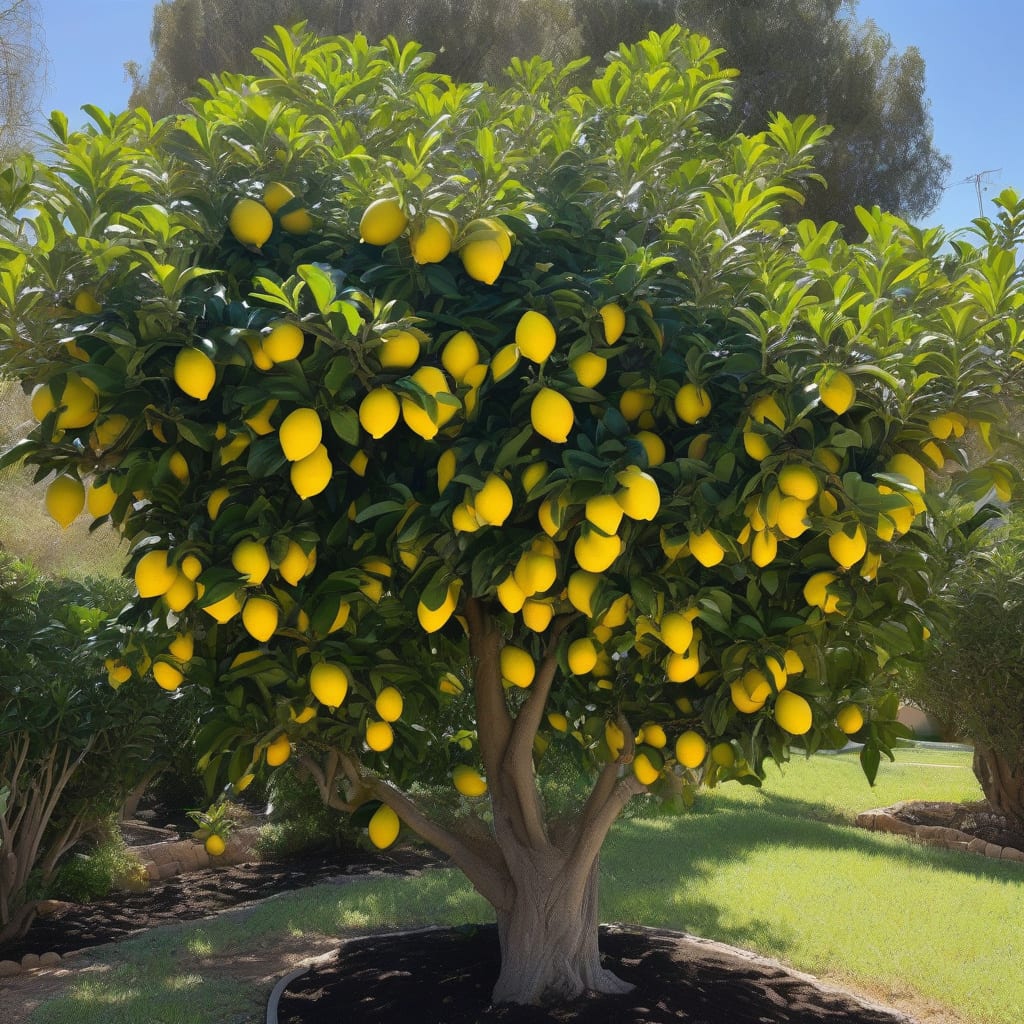
Growing a Lemon Tree 🍋 can be a rewarding experience, but understanding its growth potential is crucial for proper care. In ideal conditions, these trees can reach impressive heights, but several factors influence their ultimate size.
Let’s explore what determines how tall your Lemon Tree can grow and how you can encourage healthy development in your USDA Zone 9b garden.

3 ft

6 ft

10 ft

15 ft
Lemon trees are known for their impressive growth potential, but several factors influence how tall they can grow. Understanding these factors is crucial for gardeners who want to cultivate healthy and productive trees.
The variety of lemon tree is a significant factor in determining its height. Dwarf varieties typically grow between 8-12 feet tall, while semi-dwarf trees reach 12-15 feet. Standard lemon trees can grow much taller, reaching heights of 15-20 feet or more in ideal conditions 🌳.
Climate plays a crucial role in lemon tree growth. Trees thrive in USDA Zone 9b and similar warm climates with mild winters. Frost can significantly damage trees, so protection during colder months is essential 🌟.
Soil quality is another vital factor. Lemon trees prefer well-draining soil with a pH between 6.0 and 7.0. Proper nutrients, including nitrogen, phosphorus, and potassium, support healthy growth and fruit production.
Consistent watering practices are necessary, especially during the growing season. Trees need regular moisture but should not be waterlogged. Proper fertilization also contributes to vigorous growth.
Pruning is an essential practice for controlling lemon tree height. Regular pruning encourages healthy branching and can help maintain a desired height while promoting fruit production 🌿.
By understanding and managing these factors, gardeners can optimize the growth of their lemon trees and enjoy both their beauty and bounty for years to come.
The maximum height of a lemon tree is influenced by its genetic makeup, environmental conditions, and cultural practices. While some trees can grow quite tall, others remain more compact due to their variety or pruning practices.
In ideal conditions, with proper care and maintenance, lemon trees can reach their full growth potential. Regular monitoring and appropriate interventions can help gardeners achieve their desired tree size and productivity.
To help your lemon tree reach its maximum height potential, focus on providing optimal growing conditions and proper care. The right combination of factors can significantly impact how tall your tree will grow.
First, ensure your tree receives full sun for at least 6 hours daily. Lemon trees thrive in warm climates, so protection from frost is crucial in cooler regions 🌟.
Use well-draining soil with a pH between 6.0-7.0 to support healthy root development and nutrient uptake.
Maintain regular moisture during the growing season, avoiding waterlogging that can harm the roots.
Apply balanced fertilizer during the growing season to provide essential nutrients for vigorous growth.
Regular pruning is essential for maintaining a healthy tree structure and controlling height. Prune your lemon tree annually to remove dead or damaged branches and shape the tree as desired 🌿.
By following these expert tips, you can help your lemon tree achieve its maximum height potential while remaining healthy and productive. Proper care and attention to detail will ensure your tree thrives for years to come.
Maximizing lemon tree height requires a combination of proper care, optimal growing conditions, and regular maintenance. With the right approach, your tree can reach its full growth potential.
Healthy growth practices, including proper watering and fertilization, contribute to a robust tree that can reach its maximum height. Regular monitoring and adjustments will help you achieve your desired tree size 🌳.
By understanding the factors that influence lemon tree height and implementing expert tips, you can cultivate a thriving tree that enhances your garden’s beauty and productivity.
Pruning is an essential technique for maintaining the desired height of your lemon tree while ensuring it remains healthy and productive. Proper pruning practices can help control the tree’s size and promote better fruiting 🌿.
Start by removing any dead, diseased, or damaged branches to maintain the tree’s health and appearance.
Thin out the center of the tree to allow more light to penetrate and improve air circulation, which helps prevent disease.
Prune the tree to maintain its desired shape and height, cutting back branches that are growing too tall or out of place.
Regular pruning not only helps control the height of your lemon tree but also encourages healthy branching and improves fruit production. By following these pruning techniques, you can keep your tree at a manageable size while maximizing its yield 🌳.
Pruning should be done annually, ideally during the tree’s dormant season, to minimize stress and promote vigorous growth in the following growing season.
By mastering these pruning techniques, you can effectively manage the height of your lemon tree and enjoy a bountiful harvest for years to come.
