
Beautiful Plants For Your Interior
Beautiful Plants For Your Interior
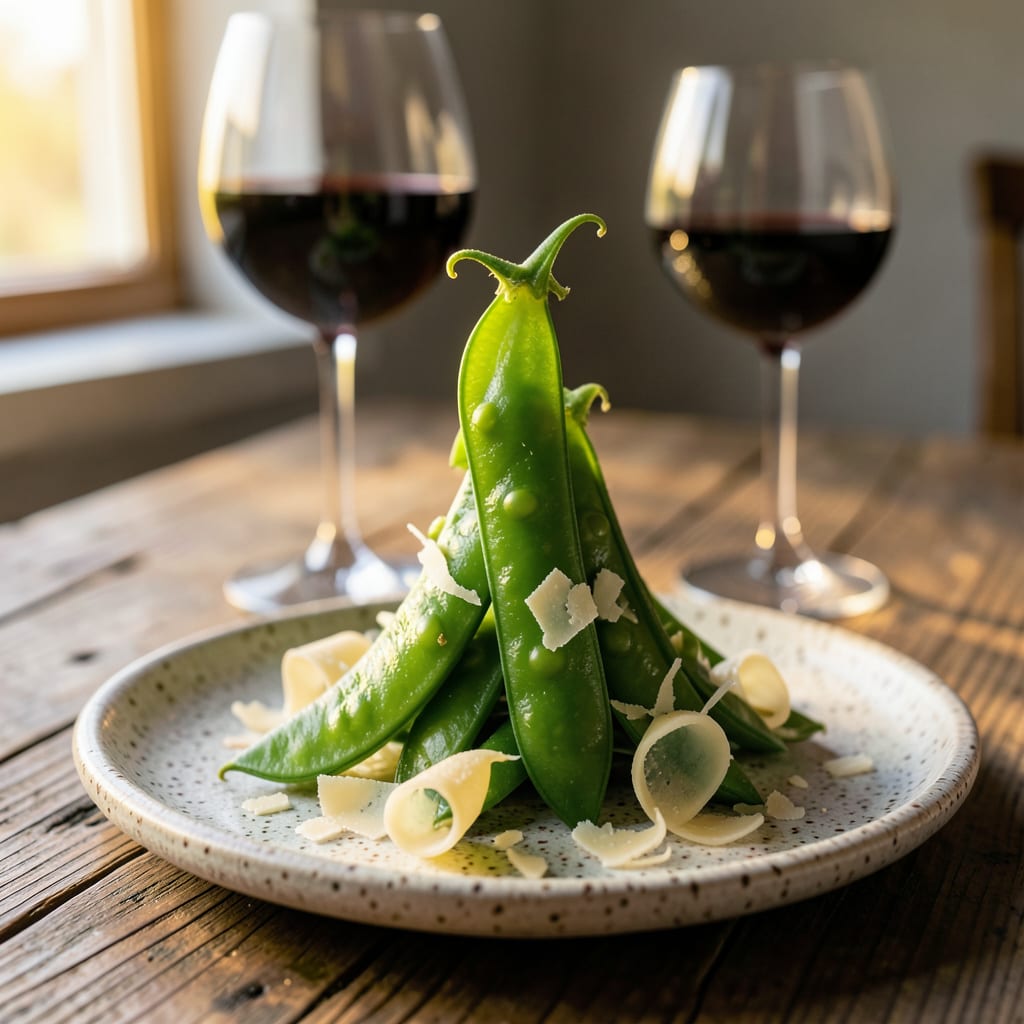
As a gardener, I’ve always been fascinated by snap peas 🌱. These climbing wonders can grow 4-6 feet tall in USDA Zone 6 during spring. Understanding their growth habits is key to maximizing your harvest in General locations.
Let’s explore how to support these vigorous climbers and what to expect as they reach their full height in late spring. With proper care, you’ll be enjoying crunchy snap peas in as little as 50 days.

Snap peas are a popular garden vegetable known for their climbing nature and rapid growth. Most varieties can grow between 4-6 feet tall, making them ideal for vertical gardening. The height of snap peas is influenced by factors such as variety, support, and growing conditions 🌿.
Understanding the growth habits of snap peas is crucial for maximizing your harvest. These plants are vining and will naturally climb up supports as they grow. Proper support not only helps in managing space but also in ensuring that the plants receive adequate sunlight and air circulation 🌱.
Snap peas are typically ready to harvest 50-70 days after planting. The exact height can vary depending on the specific variety and the growing conditions. For example, some dwarf varieties might reach only 2-3 feet, while standard climbing varieties can easily exceed 6 feet 🔝.
The climbing nature of snap peas means they require adequate support to grow effectively. Gardeners often use trellises, stakes, or even fences to support these plants. Proper support not only helps in managing the height but also in ensuring that the plants produce a bountiful harvest 🌼.
When planning your garden, consider allocating adequate space for snap peas to climb. A vertical support system can help maximize space and improve air circulation around the plants. This, in turn, can help reduce the risk of diseases and promote healthier growth 💡.
Soil quality and moisture levels also play a significant role in the growth of snap peas. Ensuring that the soil is well-draining and rich in organic matter can support vigorous growth. Regular watering is essential, especially during dry spells, to keep the plants healthy and productive 🌿.
In USDA Zone 6, snap peas thrive in the early spring season. Planting them 4-6 weeks before the last frost date allows them to establish before the weather becomes too warm. This timing is critical for achieving optimal growth and height 🌞.
As the plants grow, they will begin to flower and eventually produce pods. Regular harvesting encourages the plants to continue producing. Snap peas are best harvested when the pods are plump and the peas are visible through the pod 🌽.
To further enhance growth, consider applying a balanced fertilizer when the plants are about 6 inches tall. This can provide the necessary nutrients to support their rapid growth and maximize their height 🌻.
In conclusion, snap peas are a versatile and productive garden vegetable that can grow quite tall with the right support and care. By understanding their growth habits and providing the necessary conditions, you can enjoy a bountiful harvest of delicious snap peas 🌟.
When growing snap peas, providing the right support is crucial for maximizing their height and overall yield. These climbing plants need something to latch onto as they grow, and without proper support, they can become tangled and produce fewer pods 🌿.
I recommend using a sturdy trellis or stake to help your snap peas reach their full potential. The height of the support should be at least 6 feet to accommodate the mature height of the plants. You can also use a fence or a teepee structure to provide additional support 🔝.
Set up your trellis or stake before planting to avoid damaging the roots later.
Gently guide the snap pea vines to climb up the support as they grow.
Regularly check the support and adjust as necessary to ensure the plants are climbing properly.
By providing the right support and training your snap peas to climb, you can maximize their height and enjoy a more bountiful harvest.
It’s also important to note that different varieties of snap peas may have slightly different support needs. Some dwarf varieties might require less support, while taller climbing varieties will need more robust structures 🔩.
In my experience, using a combination of trellises and stakes provides the best support for snap peas. This allows the plants to grow upwards and outwards, maximizing their exposure to sunlight and air circulation 🌞.
Regularly inspecting your plants and adjusting their support as needed can make a significant difference in their overall health and productivity. With the right care and support, your snap peas should thrive and provide a delicious harvest 🌽.
To maximize snap pea yield, understanding their growth patterns is crucial. Snap peas are climbing plants that require adequate support to grow effectively. By providing the right conditions and care, you can enjoy a bountiful harvest 🌼.
I recommend planting snap peas in early spring, about 4-6 weeks before the last frost date. This allows them to establish before the weather becomes too warm. Proper soil preparation is also essential, ensuring it’s well-draining and rich in organic matter 🌱.
For optimal yield, harvest snap peas regularly when pods are plump and tender. This encourages the plants to continue producing 🌽.
Regular harvesting is key to maximizing snap pea yield. Check your plants frequently and pick the peas when they’re ready. This not only ensures you get the best flavor but also promotes the plant to produce more pods 🔄.
Planting density also plays a significant role in maximizing yield. Planting seeds about 1-2 inches apart and providing adequate support allows for better air circulation and sunlight penetration, leading to healthier plants and a more abundant harvest 🌻.
In my experience, maintaining consistent moisture levels is vital for snap peas. They prefer consistent watering, especially during dry spells. Avoid overwatering, which can lead to root rot and other issues 💧.
By following these tips and understanding the growth patterns of snap peas, you can significantly improve your harvest. Happy gardening! 🌟
