
Beautiful Plants For Your Interior
Beautiful Plants For Your Interior
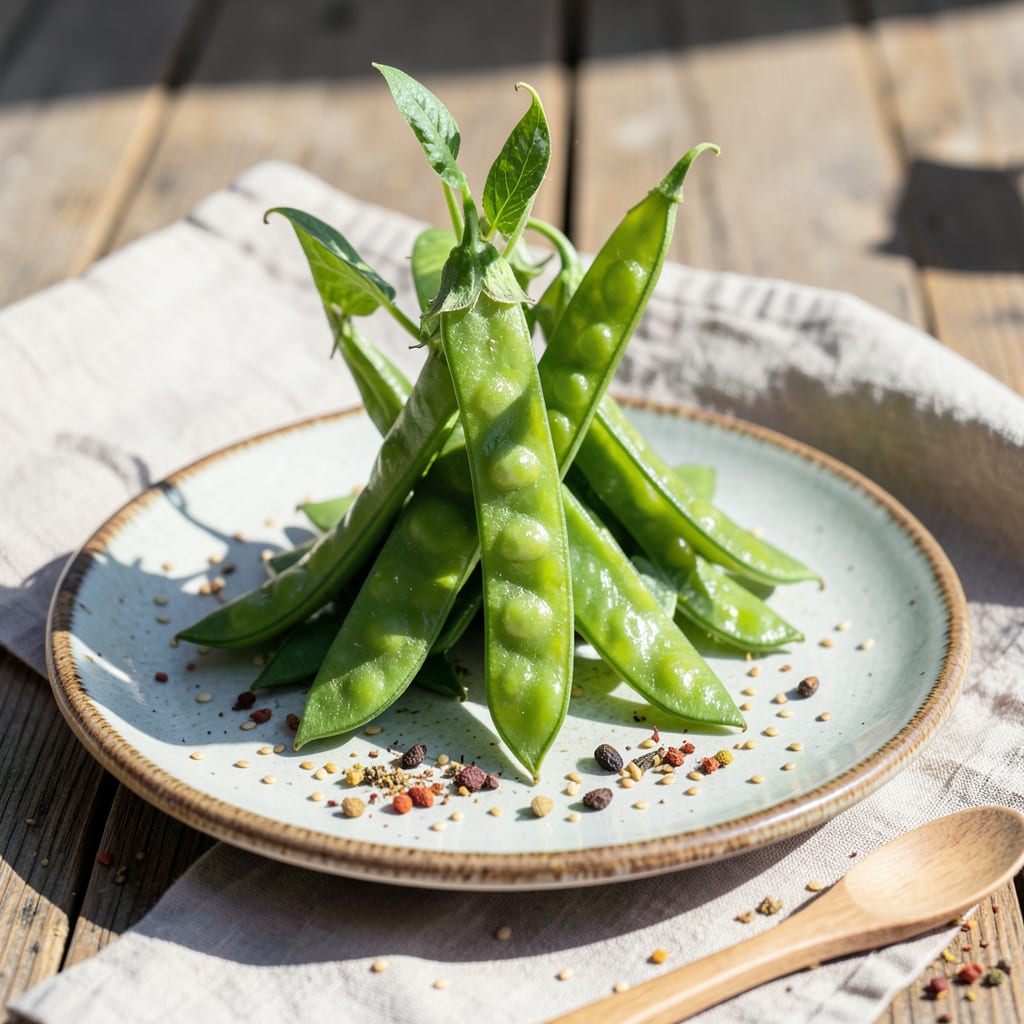
Growing Sugar Snap Peas 🌱 can be a rewarding experience, especially when you understand their growth habits. These climbing plants can reach impressive heights, making them a great addition to any garden trellis or support system.
In USDA Zone 6, you can expect Sugar Snap Peas to grow between 4-6 feet tall, requiring proper support as they climb. Let’s dive into the details of how to help them reach their full potential.

4-6 ft

4-6 ft

4-6 ft

5-6 ft
Sugar snap peas are a popular choice among gardeners due to their delicious flavor and versatile growth habits. These climbing plants can reach impressive heights, making them a great addition to any garden trellis or support system 🌿.
In USDA Zone 6, sugar snap peas typically grow between 4-6 feet tall, with some varieties reaching even greater heights when provided with optimal conditions. Understanding the factors that affect their growth is crucial for maximizing your harvest.
The average height of sugar snap peas can vary, but most gardeners can expect them to grow between 5-6 feet when given proper care and support. Factors such as soil quality, sunlight exposure, and support systems all play a role in determining the final height of the plants.
Soil preparation is key to healthy growth. Sugar snap peas prefer well-draining soil rich in organic matter. Amending the soil with compost or well-rotted manure can significantly improve growth and height. The ideal soil pH for sugar snap peas is between 6.0 and 7.0, which is slightly acidic to neutral.
In terms of sunlight, sugar snap peas thrive in full sun to partial shade. They require at least 6 hours of direct sunlight per day to grow vigorously. While they can tolerate some shade, reduced sunlight may result in slightly shorter plants.
Support systems are crucial for maximizing the height of sugar snap peas. Using a trellis or stake can help guide the plants upward, making the most of vertical space. The type of support used can also impact the overall height and health of the plants.
To achieve the maximum height, it’s essential to plant seeds at the correct depth and spacing. Typically, seeds should be sown 1-2 inches deep and 2-3 inches apart after the last frost date. Proper spacing allows for good air circulation and reduces the risk of disease.
Fertilization also plays a role in the growth of sugar snap peas. A balanced fertilizer applied at planting time and again when the plants are about 6 inches tall can provide necessary nutrients for optimal growth. It’s important to follow the manufacturer’s instructions for application rates to avoid over-fertilizing.
Understanding these factors and providing the right conditions can help ensure that your sugar snap peas reach their full potential height. By paying attention to variety selection, soil quality, sunlight, and support, you can enjoy a bountiful harvest of delicious sugar snap peas 🌼.
Regular watering is also crucial for maintaining healthy growth. Sugar snap peas prefer consistent moisture, especially during the flowering and podding stages. Aim to provide about 1 inch of water per week, either through rainfall or irrigation.
By following these guidelines and providing optimal growing conditions, you can maximize the height and productivity of your sugar snap pea plants. With proper care, these versatile vegetables can thrive in a variety of garden settings, providing a delicious and nutritious addition to your meals 🌻.
When growing sugar snap peas, providing the right support is crucial for maximizing their height and overall yield. These climbing plants can reach impressive heights of 4-6 feet, making them a great addition to any garden trellis or support system 🌿.
To effectively support your sugar snap peas, you’ll need to choose the right type of trellis or stake. There are several options available, each with its own benefits and considerations.
When setting up your support system, make sure it’s sturdy enough to hold the weight of the mature plants. Sugar snap peas can become quite heavy when laden with pods, so a strong trellis or stake is essential.
To maximize vertical space, consider using a tall trellis or training the vines to climb up a fence or other support. This will not only make the most of your garden space but also help to keep the plants healthy and productive 🌻.
By providing the right support for your sugar snap peas, you can enjoy a bountiful harvest of delicious, crunchy pods. With a little creativity and planning, you can create a thriving and productive sugar snap pea garden that will provide you with fresh produce all season long 🌱.
Regular maintenance is also important to ensure the support system remains effective throughout the growing season. Check the trellis or stakes regularly and make any necessary adjustments to keep the plants growing upright and healthy.
With these tips and a bit of practice, you’ll be able to create a beautiful and productive sugar snap pea garden that will thrive for years to come.
To maximize your sugar snap pea harvest, it’s essential to understand the optimal growing conditions and techniques. Sugar snap peas are a cool-season crop that thrives in temperate climates with adequate moisture and sunlight 🌼.
Timing is crucial when it comes to harvesting sugar snap peas. The ideal time to harvest is when the pods are plump and tender, typically 50-60 days after sowing. Regular harvesting encourages the plants to produce more pods, ensuring a continuous supply of fresh peas 🌻.
Check your sugar snap peas regularly for optimal harvest timing. Harvesting at the right time ensures the best flavor and texture.
When harvesting, gently pull the pods from the plant to avoid damaging the stems or disturbing the surrounding pods. It’s also important to check for pests and diseases regularly to prevent damage to your crop.
To further maximize your harvest, consider implementing succession planting. This involves sowing seeds at regular intervals to ensure a continuous supply of fresh sugar snap peas throughout the growing season.
By following these expert tips and techniques, you can enjoy a bountiful harvest of delicious sugar snap peas. With proper care and attention, these versatile vegetables can thrive in a variety of garden settings, providing a delicious and nutritious addition to your meals 🌱.
