
Beautiful Plants For Your Interior
Beautiful Plants For Your Interior
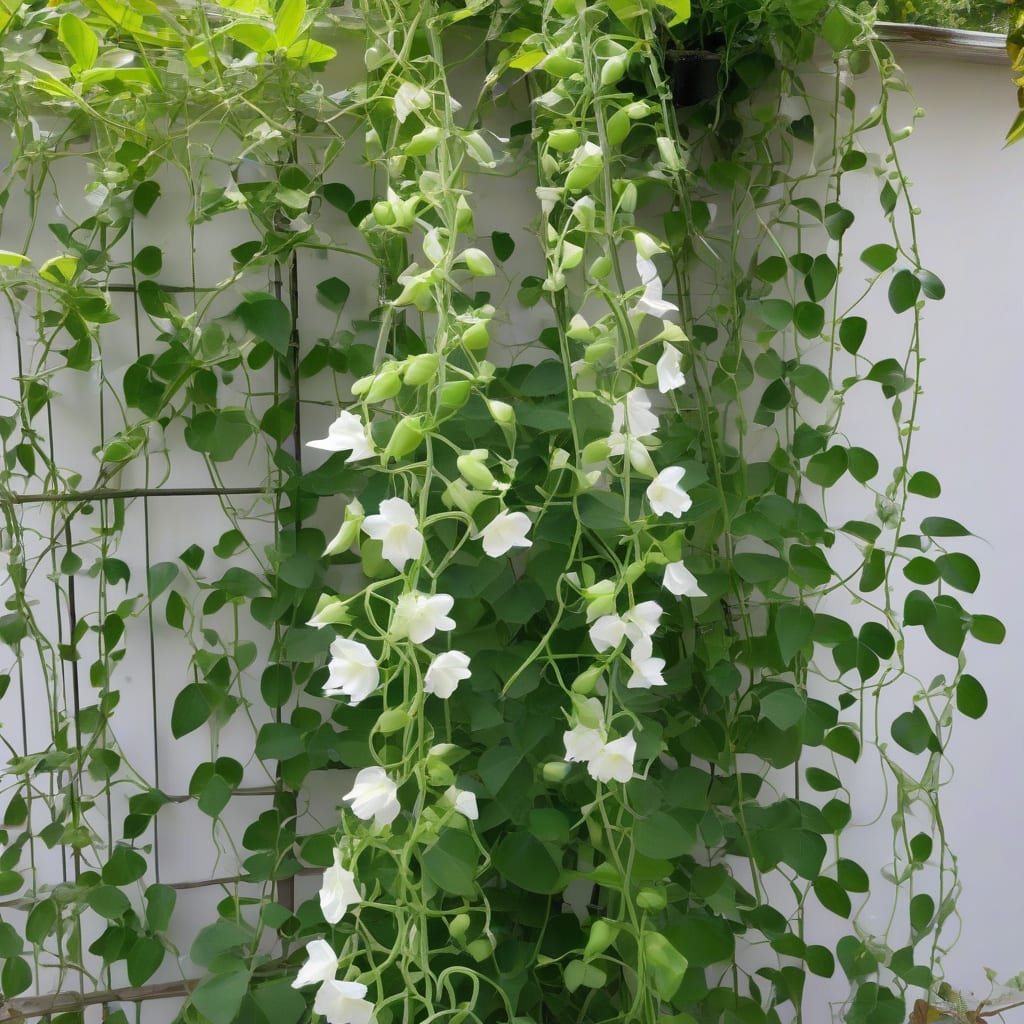
Growing Peas 🌱 can be a rewarding experience, but have you ever wondered just how tall they can grow? The height of Pea plants varies significantly depending on the variety, with some reaching as high as 6 feet while others remain compact at around 2 feet.
In USDA Zone 6, where Peas thrive, understanding their growth potential is key to providing the right support. Let’s explore the factors that influence Pea plant height and how you can maximize their growth in your garden.


Understanding the factors that influence pea plant height is crucial for gardeners to provide the right support and maximize their harvest. Pea plants can grow anywhere from 2 to 6 feet tall, depending on the variety and growing conditions.
The type of pea variety plays a significant role in determining the plant’s height. For example, dwarf varieties tend to be more compact, growing to around 2-3 feet, while tall climbing varieties can reach heights of 5-6 feet or more.
In addition to the variety, growing conditions such as sunlight, soil quality, and < < < support systems all contribute to a pea plant's height. Providing optimal growing conditions is essential for maximizing pea plant height.
For example, peas need full sun to grow well, so choosing a location that receives at least 6 hours of direct sunlight is crucial. Additionally, well-draining soil with a pH between 6.0 and 7.0 is ideal for pea cultivation.
Support systems like trellises or stakes are vital for climbing pea varieties, allowing them to grow vertically and reach their full height potential. Without proper support, these plants may become tangled and fail to grow as tall as they could.
By understanding these factors and providing the right conditions, gardeners can help their pea plants achieve maximum height and enjoy a bountiful harvest. 🌼
It’s also worth noting that different growing seasons can affect pea plant height. In cooler spring weather, peas tend to grow more vigorously, while hot summer temperatures can slow down their growth.
Gardeners should also be aware of the potential challenges that can impact pea plant height, such as pests, diseases, and adverse weather conditions. By being proactive and addressing these issues, gardeners can help ensure their pea plants reach their full height potential.
In summary, the height of pea plants is influenced by a combination of factors, including variety, growing conditions, and support systems. By understanding and optimizing these factors, gardeners can enjoy a healthy and productive pea crop. 🌿
For more information on growing peas and other gardening tips, be sure to check out our other resources. Happy gardening! 👍
I always find that maximizing pea height requires a combination of proper soil preparation, consistent watering, and effective trellising. By following these expert gardening tips, you can help your pea plants reach their full height potential and enjoy a bountiful harvest.
First, let’s talk about soil preparation. Peas prefer well-draining soil with a pH between 6.0 and 7.0. To achieve this, I recommend adding organic matter like compost or well-rotted manure to improve soil structure and fertility.
When preparing your soil, mix in a balanced fertilizer according to the manufacturer’s instructions to provide essential nutrients for healthy pea growth 🌱.
Next, consistent watering is crucial for maximizing pea height. Peas need consistent moisture, especially during flowering and pod formation. Aim to provide about 1 inch of water per week, either through rainfall or irrigation.
Trellising is also essential for climbing pea varieties. By providing a sturdy trellis or other support system, you can help your pea plants grow vertically and reach their full height potential. I recommend using a trellis that’s at least 6 feet tall to accommodate the tallest varieties.
In addition to these tips, it’s also important to keep the area around your pea plants weed-free. Weeds can compete with peas for water, nutrients, and light, which can impact their growth and productivity.
By following these expert gardening tips, you can help your pea plants reach their maximum height potential and enjoy a bountiful harvest. Happy gardening! 🌼
For more information on growing peas and other gardening tips, be sure to check out our other resources. With the right care and attention, you can enjoy a successful and productive pea crop 👍.
When it comes to growing peas, selecting the right variety is crucial for maximizing height and yield. Different types of peas have varying growth habits, ranging from compact dwarf varieties to vigorous climbing types. Understanding these differences helps gardeners choose the best variety for their garden’s specific conditions 🌱.
The height of pea plants is significantly influenced by their variety. Sugar snap peas and shelling peas tend to be taller, often requiring sturdy support systems to reach their full potential. In contrast, dwarf varieties are more compact and suitable for smaller gardens or containers.
Gardeners should consider their available space and support structures when choosing a pea variety. For example, if you have limited space, a dwarf variety might be more appropriate. However, if you’re looking to maximize height and have the necessary support, a tall climbing variety could be the better choice 🌿.
By selecting the right pea variety for your garden’s height and providing appropriate care, you can enjoy a successful harvest. Happy gardening! 👍
