
Beautiful Plants For Your Interior
Beautiful Plants For Your Interior
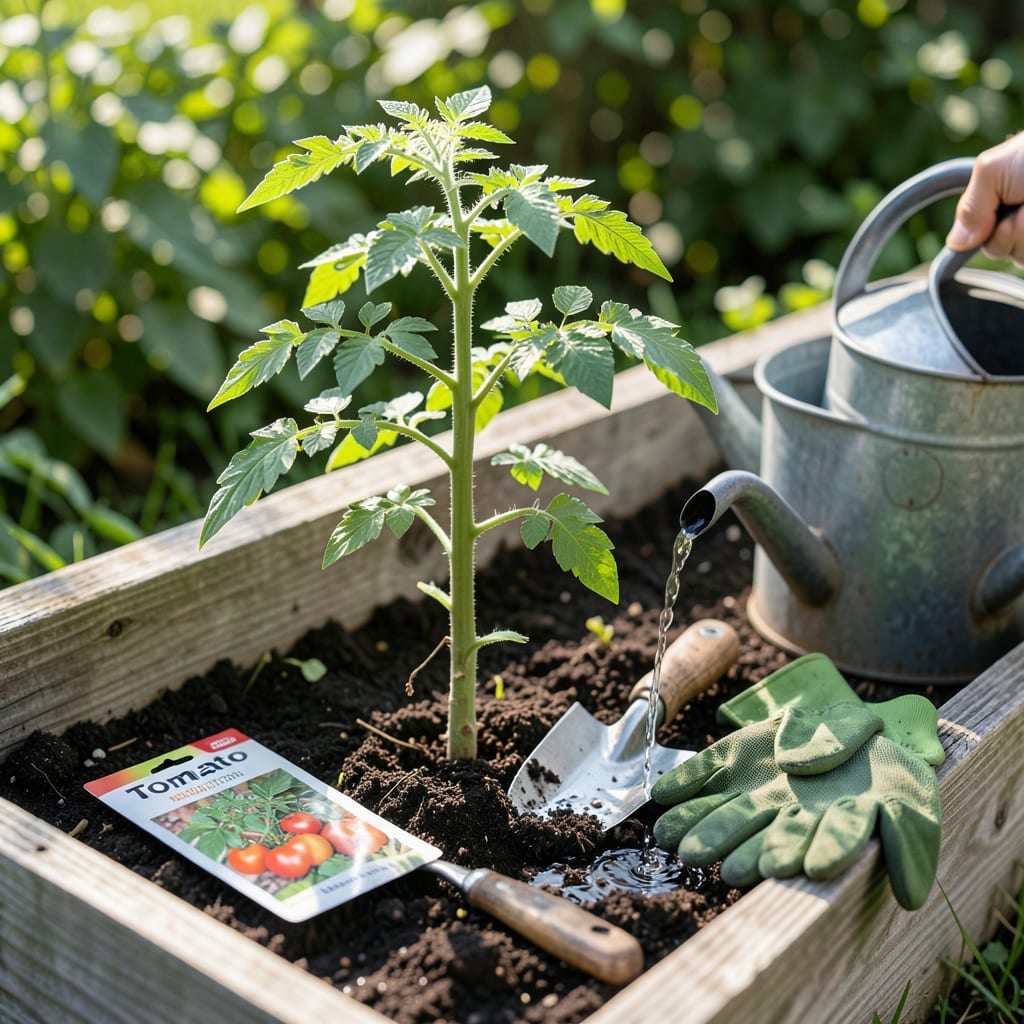
As an Ohio gardener, you’re probably wondering when to get started with planting your Vegetable 🥕 seeds. The key is timing – Ohio’s climate means you need to wait until the right moment to sow.
In Ohio’s spring season, specifically between April and May, you’ll find ideal conditions for planting. Understanding the local climate and frost dates is crucial for a successful harvest between June and October.
Ideal Time
Also Good
When planning your garden in Ohio, understanding the regional variations in planting times is crucial. The state’s diverse climate means that the ideal planting time can differ significantly between northern, central, and southern regions 🌟.
Ohio’s planting seasons are primarily influenced by frost dates and soil temperature. Generally, the last frost date is a critical factor in determining when to plant seeds outdoors. In Ohio, this date varies by region: northern Ohio typically experiences its last frost later than southern Ohio.
The soil temperature is another critical factor. Most vegetables and flowers thrive when the soil has warmed up to at least 60°F (15°C). In Ohio, soil temperatures typically reach this point in late spring.
For cool-season crops like broccoli, kale, and spinach, planting can occur earlier in the spring when soil temperatures are still relatively cool, around 40°F (4°C) to 50°F (10°C). These crops can often be planted as soon as the soil can be worked in early spring.
For warm-season crops such as tomatoes, peppers, and corn, it’s essential to wait until the danger of frost has passed and the soil has warmed up. In Ohio, this usually means planting these crops after the last frost date for your specific region.
Understanding these regional variations and the specific needs of your crops can help you plan a successful gardening season in Ohio. By paying attention to local frost dates and soil temperatures, you can optimize your planting schedule for the best possible harvest 🌿.
To further illustrate the regional differences in Ohio’s planting calendar, let’s examine the ideal planting times for various crops across the state.
For example, in northern Ohio, gardeners might start planting cool-season crops as early as late March to early April, while in southern Ohio, the same crops can be planted a couple of weeks earlier.
Conversely, warm-season crops will be planted later in northern Ohio compared to southern Ohio, following the later last frost dates.
By tailoring your planting schedule to your specific region within Ohio, you can maximize your garden’s potential and enjoy a diverse and bountiful harvest throughout the growing season 🌻.
Additionally, it’s worth noting that microclimates within each region can also affect planting times. Factors such as elevation, soil type, and proximity to large bodies of water can influence local climate conditions.
Gardeners should observe their specific microclimate and adjust their planting schedule accordingly to achieve the best results.
In conclusion, understanding and adapting to Ohio’s regional variations in planting times is key to a successful gardening experience. By considering factors such as frost dates, soil temperature, and the specific needs of your crops, you can create a thriving and productive garden 🌼.
When it comes to planting seeds in Ohio, understanding the best times for specific crops is crucial for a successful harvest. Ohio’s climate supports a wide variety of vegetables, flowers, and herbs, each with its own optimal planting schedule 🌼.
For cool-season crops, the ideal planting times are early spring or late summer/early fall. Crops like broccoli, kale, and spinach thrive in cooler temperatures and can be planted as soon as the soil can be worked in early spring 🌱.
Warm-season crops like tomatoes, peppers, and corn should be planted after the last frost date when the soil has warmed up to at least 60°F (15°C) 🌞.
For flowers, planting times can vary depending on the type. Many annuals and perennials can be planted in the spring after the last frost, while others may do better when planted in the fall 🌼.
Understanding the specific needs of the crops you want to grow and planning accordingly will help ensure a bountiful and diverse harvest in your Ohio garden 🌻.
Additionally, consider the microclimate in your specific area, as factors like elevation and soil type can influence local climate conditions and planting times 🌟.
By following these guidelines and adjusting for your local conditions, you can maximize your garden’s potential and enjoy a successful growing season in Ohio 🌼.
Now that we’ve covered the ideal times for planting seeds in Ohio, let’s focus on preparing your garden for a successful growing season 🌼.
Proper soil preparation is essential for healthy seed growth. Ohio’s diverse soil types require different approaches, but generally, you’ll want to ensure your soil is well-draining and rich in organic matter 🌱.
Test your soil type and pH level. Most vegetables prefer a slightly acidic to neutral soil pH (6.0-7.0). Add compost or well-rotted manure to improve soil structure and fertility.
Frost protection is another critical aspect to consider when planting seeds in Ohio. Late spring frosts can damage or kill young seedlings, so it’s essential to have a plan in place to protect your plants ❄️.
Some effective frost protection methods include using row covers, cold frames, or bringing plants under cover during frost events. Understanding the specific frost protection needs for your crops will help you safeguard your garden 🌟.
In addition to soil preparation and frost protection, having the right tools is crucial for successful seed starting in Ohio. Essential tools include a good quality seed starting mix, seed trays, and watering cans or gentle sprayers 🌱.
By following these tips and preparing your garden accordingly, you’ll be well on your way to a bountiful and successful harvest in Ohio 🌻.
To summarize, preparing your Ohio garden for seed planting involves understanding your soil, protecting against frost, and having the right tools at your disposal. With careful planning and attention to these details, you can enjoy a thriving and productive garden 🌼.
For most vegetables and flowers, start seeds indoors 4-6 weeks before the last frost date. This allows seedlings to get a head start on the growing season. Use a good quality seed starting mix and keep the soil warm (around 70-80°F) for optimal germination.
Soil is ready when it can be worked easily and has warmed up to at least 60°F (15°C). You can check soil temperature with a thermometer or wait until late spring when the soil has typically warmed up enough for most crops. For cool-season crops, you can start earlier when soil temperature is around 40-50°F (4-10°C).
It depends on the type of plant. Cool-season crops like broccoli, kale, and spinach can be directly sown in early spring as soon as the soil can be worked. Warm-season crops like tomatoes and peppers do better when started indoors 4-6 weeks before being transplanted outside after the last frost date.
Ohio’s last frost dates vary by region: northern Ohio typically experiences its last frost around May 10-15, central Ohio around April 25-30, and southern Ohio around April 15-20. Check local frost dates for your specific area to plan accordingly.
