
Beautiful Plants For Your Interior
Beautiful Plants For Your Interior
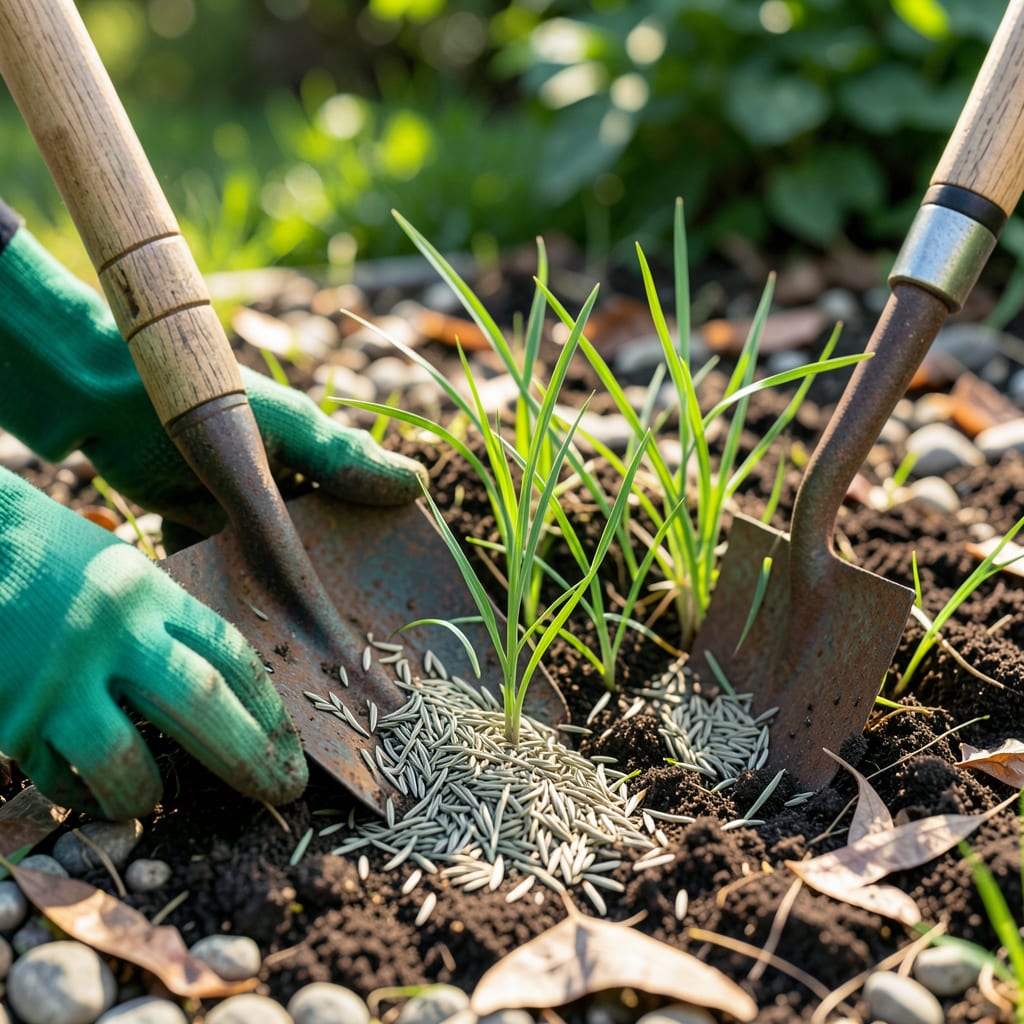
Fall is the perfect time to give your lawn a head start 🌱 on next year’s growth by planting grass seeds. With cooler temperatures and increased moisture, your new seedlings will thrive.
In USDA Zone 6, the ideal time to plant is in September or October, about 2-3 weeks before the first frost. This allows the seeds to establish themselves before winter, setting your lawn up for success.
Fall is an excellent time to plant grass seeds, as the cooler temperatures and increased moisture create ideal conditions for germination and establishment. In most regions, the optimal time to plant is in early to mid-fall, about 2-3 weeks before the first frost.
The soil temperature is a critical factor in determining the best time to plant grass seeds in the fall. Ideally, the soil should be between 50°F and 65°F, which is typically the case during the fall season in many regions.
Regional variations play a significant role in determining the best time to plant grass seeds in the fall. In general, the ideal planting time is about 2-3 weeks before the average first frost date for your area.
For example, in USDA Zone 6, where the first frost typically occurs around October 15, the ideal planting time would be in late September to early October. In warmer climates, such as USDA Zone 8 or 9, you may be able to plant grass seeds as late as November or December. 🌱
It’s essential to consider the specific climate and soil conditions in your area when determining the best time to plant grass seeds in the fall. By doing so, you can ensure that your new seedlings have the best chance of success.
Cooler temperatures and adequate moisture are crucial for successful germination and establishment. By planting at the right time, you can give your lawn a head start on next year’s growth.
The type of grass you’re planting also plays a role in determining the best time to plant. Cool-season grasses, such as ryegrass and bluegrass, typically thrive when planted in the fall.
By understanding the optimal timing for planting grass seeds in the fall, you can ensure a healthy and lush lawn come springtime. Proper timing is critical for successful germination and establishment.
In addition to timing, soil preparation is also crucial for successful grass seed establishment. This includes testing your soil type and pH level, removing debris and weeds, and applying starter fertilizer.
By combining optimal timing with proper soil preparation, you can give your new seedlings the best chance of success and enjoy a beautiful, thriving lawn for years to come.
Fall planting allows the seeds to establish themselves before winter, setting your lawn up for success. With cooler temperatures and increased moisture, your new seedlings will thrive.
Before planting grass seeds in the fall, it’s essential to prepare your lawn properly to ensure successful germination and establishment. This includes testing your soil type and pH level, removing debris and weeds, and applying starter fertilizer.
Start by assessing your lawn’s condition and identifying any areas that need improvement. Check for bare spots, thinning areas, and weed infestations. This will help you determine the best course of action for preparing your lawn for fall grass seed planting.
Determine your soil type and pH level to choose the right grass seed variety and fertilizers.
Clear your lawn of debris, dead grass, and weeds to ensure good contact between the soil and grass seeds.
Use a starter fertilizer to promote healthy seedling growth and establishment.
By following these steps, you can create a conducive environment for your grass seeds to germinate and establish themselves. This will give your lawn a head start on next year’s growth and help you achieve a healthy and lush lawn.
Proper soil preparation is critical for successful grass seed establishment. By testing your soil, removing debris and weeds, and applying starter fertilizer, you can ensure that your new seedlings have the best chance of success.
In addition to these steps, it’s also essential to choose the right grass seed variety for your lawn. Consider factors such as climate, soil type, and intended use when selecting a grass seed variety.
By combining proper soil preparation with the right grass seed variety, you can enjoy a beautiful and thriving lawn for years to come. With cooler temperatures and increased moisture in the fall, your new seedlings will thrive.
Fall planting allows the seeds to establish themselves before winter, setting your lawn up for success. By following these tips, you can give your lawn a head start on next year’s growth.
After planting grass seeds in the fall, it’s crucial to provide proper care to ensure successful establishment. This includes maintaining a consistent watering schedule, applying fertilizer at the right time, and protecting new growth from damage.
Keep the soil consistently moist during the first few weeks after planting. Water lightly but frequently to prevent washing away the seeds.
Watering is critical during the germination period, which typically lasts 7-14 days. Keep the soil moist but not waterlogged, as this can lead to rotting and poor germination.
Once the new seedlings have emerged, you can gradually reduce the frequency of watering while increasing the amount of water applied. This will help promote deeper root growth and make your lawn more drought-tolerant.
Fertilization is also essential for promoting healthy growth and establishment. Apply a starter fertilizer at the time of planting, followed by a balanced fertilizer in the spring.
To protect new growth from damage, avoid mowing your lawn until the new seedlings have reached a height of 3-4 inches. When you do mow, use a sharp blade and maintain a height of 2.5-3 inches to promote healthy growth.
By following these post-planting care tips, you can give your new seedlings the best chance of success and enjoy a healthy and lush lawn come springtime.
Proper care after planting is just as important as the planting itself. With the right maintenance, your fall-planted grass seeds will thrive.
Fall planting sets your lawn up for success, and with these tips, you’ll be on your way to a beautiful lawn. 🌿
The ideal soil temperature is between 50°F and 65°F, which is typically found during the fall season in many regions. This temperature range supports healthy germination and establishment.
Keep the soil consistently moist during the first few weeks after planting. Water lightly but frequently to prevent washing away the seeds. As the seedlings emerge, gradually reduce the frequency of watering while increasing the amount of water applied.
Yes, you can still plant grass seeds in the fall in warm climates, but the ideal time may be later than in cooler climates. In USDA Zone 8 or 9, you can plant as late as November or December. Consider the specific climate and soil conditions in your area.
Yes, fertilization is essential for promoting healthy growth and establishment. Apply a starter fertilizer at the time of planting, followed by a balanced fertilizer in the spring. This will give your new seedlings the nutrients they need to thrive.
