
Beautiful Plants For Your Interior
Beautiful Plants For Your Interior
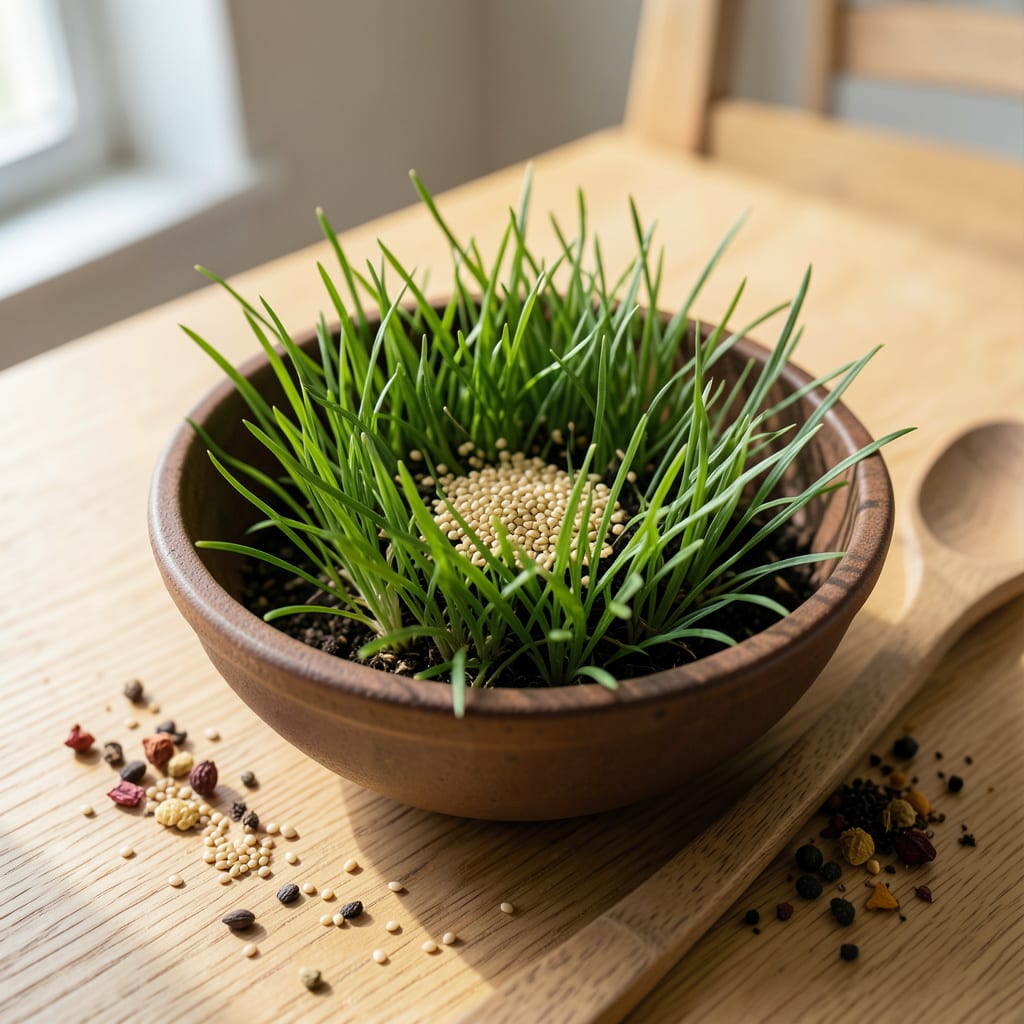
Fertilizing your grass 🌿 at the right time can make all the difference between a lush, green lawn and one that’s struggling to thrive. For most regions, including USDA Zone 6, the key is timing your fertilizer application with the growing season.
In spring and fall, your grass is most receptive to nutrients. These seasons offer the best conditions for growth, making them ideal for fertilizing. Let’s explore the optimal schedule for a healthier lawn.

Understanding the best times to fertilize your grass is crucial for maintaining a healthy and vibrant lawn. The timing of fertilization depends on the type of grass you have and the climate you live in. Generally, the most effective times to fertilize are during the growing seasons when your grass can best absorb the nutrients 🌿.
For most cool-season grasses, the ideal times are early spring and fall. In spring, fertilizing helps your lawn recover from winter stress and promotes new growth. In fall, it helps your grass recover from summer heat and prepares it for the next growing season. For warm-season grasses, late spring through early summer is typically the best time.
The soil quality also plays a significant role in determining the best fertilization schedule. Soil tests can provide valuable information about nutrient deficiencies, helping you choose the right type of fertilizer. For instance, if your soil lacks nitrogen, you’ll want to select a fertilizer with a higher nitrogen content.
Fertilizing your grass at the right time not only promotes healthy growth but also helps in weed control and disease resistance. A well-nourished lawn is better equipped to compete with weeds and withstand diseases. Moreover, proper fertilization can enhance the color and density of your grass, making your lawn the envy of the neighborhood 🌟.
It’s also important to consider the type of fertilizer you’re using. Different fertilizers release nutrients at varying rates. Slow-release fertilizers provide a steady supply of nutrients over time, while quick-release fertilizers offer an immediate boost. Choosing the right type can help you achieve the desired results without over-fertilizing.
Lastly, always follow the manufacturer’s instructions when applying fertilizer. Over-fertilization can harm your grass and the environment, while under-fertilization may not provide the desired benefits. By timing your fertilization correctly and using the appropriate products, you can enjoy a lush, healthy lawn throughout the growing season 🌿.
In summary, the best time to fertilize your grass depends on the type of grass and your local climate. By understanding the specific needs of your lawn and following a seasonal fertilization schedule, you can promote healthy growth and maintain a beautiful lawn year-round.
For more detailed guidance, consider consulting with a local gardening expert or conducting a soil test to determine the most appropriate fertilization plan for your specific conditions.
Fertilizing your grass effectively requires understanding the seasonal needs of your lawn. Different seasons bring different challenges and opportunities for growth. By adjusting your fertilization strategy accordingly, you can ensure your grass remains healthy and vibrant throughout the year 🌿.
In spring, your grass is recovering from winter stress and starting new growth. This is a critical time to provide the necessary nutrients for a strong start to the growing season. For cool-season grasses, fertilize when the soil temperature reaches 55°F. A balanced fertilizer with a mix of nitrogen, phosphorus, and potassium is ideal.
Apply a balanced fertilizer when soil temperature reaches 55°F for cool-season grasses. This promotes healthy growth and recovery from winter.
Use a slow-release fertilizer to maintain steady growth during the hot summer months. This helps your grass withstand heat stress.
Fertilize about 6-8 weeks before the first frost to help your grass recover from summer stress and prepare for the next growing season.
During summer, it’s essential to maintain your lawn’s health with a slow-release fertilizer. This type of fertilizer provides a steady supply of nutrients, helping your grass withstand the heat and continue growing. Be cautious not to over-fertilize, as this can lead to excessive growth and increased water needs.
In fall, fertilizing your grass is crucial for preparing it for the next growing season. Applying fertilizer about 6-8 weeks before the first frost allows your grass to absorb the nutrients and build reserves for winter. This timing is particularly important for cool-season grasses, as it helps them recover from summer stress and promotes root growth.
By following these seasonal fertilization tips, you can ensure your lawn remains healthy and resilient throughout the year.
For more specific advice tailored to your region and grass type, consider consulting with a local gardening expert or conducting a soil test. This will help you determine the most effective fertilization schedule for your lawn’s unique needs.
Fertilizing your lawn can be a straightforward process if you avoid common pitfalls. One of the most critical mistakes is over-fertilizing, which can damage your grass and harm the environment 🌿.
Another mistake is fertilizing at the wrong time. For instance, applying fertilizer during the wrong season can be ineffective or even harmful. It’s essential to understand the growth cycle of your grass and fertilize accordingly.
Over-fertilization can lead to environmental pollution and lawn damage. Always follow the manufacturer’s instructions and consider a soil test before applying fertilizer.
To avoid these mistakes, it’s crucial to understand your lawn’s needs. This includes knowing the type of grass you have, the climate you live in, and the soil quality. A soil test can provide valuable insights into nutrient deficiencies, helping you choose the right fertilizer.
By being aware of these common mistakes and taking steps to avoid them, you can ensure your lawn remains healthy and vibrant throughout the year.
For more detailed guidance, consider consulting with a local gardening expert or conducting a soil test to determine the most appropriate fertilization plan for your specific conditions.
Fertilizing in the early morning is ideal as it allows the grass to absorb the nutrients throughout the day. Avoid fertilizing during the hottest part of the day to prevent burning your lawn. Morning application also helps prevent overnight moisture accumulation that can lead to fungal growth .
For most lawns, fertilizing every 4-6 weeks during the growing season is sufficient. However, this can vary based on the type of fertilizer used and your lawn’s specific needs. Slow-release fertilizers typically need to be applied less frequently than quick-release types .
No, it’s generally recommended to avoid fertilizing your lawn during winter when most grass types are dormant. Fertilizing during this time is ineffective and can potentially harm your lawn. Wait until the soil temperature reaches 55°F in spring to start fertilizing again .
A balanced fertilizer with an NPK ratio of 10-10-10 is typically suitable for most lawns. However, the best fertilizer for your lawn depends on your soil type and nutrient deficiencies. Consider conducting a soil test to determine the most appropriate fertilizer for your lawn’s needs .
