
Beautiful Plants For Your Interior
Beautiful Plants For Your Interior
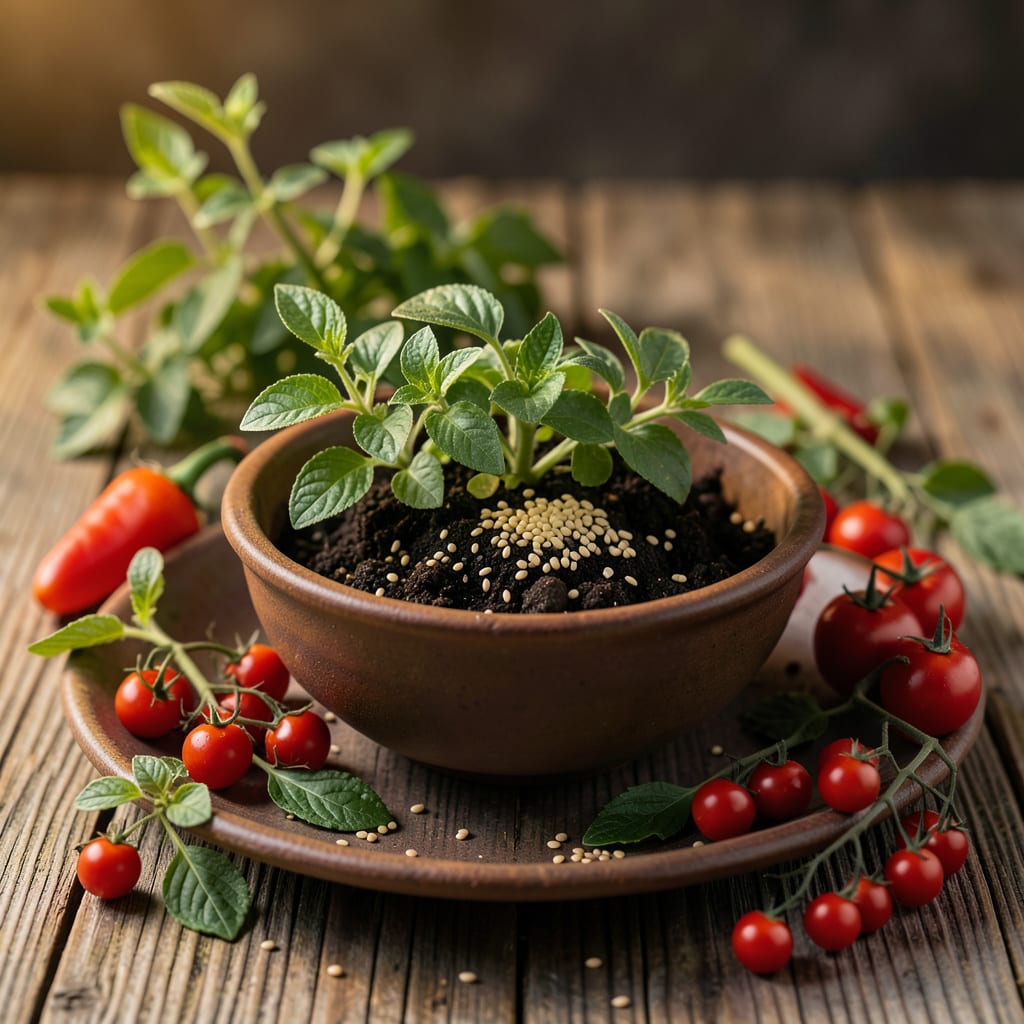
Fertilizing your 🌿 Bush at the right time can make all the difference in its growth and blooming potential. I’ve learned that timing is everything when it comes to giving your Bush the nutrients it needs to thrive.
In USDA Zone 6, the ideal time to fertilize is during the spring when new growth begins. By understanding your Bush’s specific needs and the local climate, you’ll be able to create a fertilization schedule that promotes healthy growth and vibrant blooms.

Fertilizing bushes at the right time is crucial for their health and growth. In USDA Zone 6, the ideal time to fertilize bushes depends on the season and the type of bush. Understanding the fertilization schedule can help you promote healthier growth and more vibrant blooms 🌿.
The best times to fertilize are typically during the spring and summer months when bushes are actively growing. In the spring, fertilizing after the last frost date can provide essential nutrients for new growth. During the summer, a light feeding can help maintain growth and promote blooming.
It’s essential to consider the specific needs of your bushes, as different types may require different fertilization schedules. For example, flowering bushes may benefit from a balanced fertilizer** in the spring, while evergreen bushes may require a more consistent feeding schedule throughout the growing season.
Fertilizing at the right time can help prevent over-fertilization and ensure that your bushes receive the necessary nutrients for optimal growth. By following a seasonal fertilization guide, you can tailor your fertilization strategy to the specific needs of your bushes 🌟.
For most bushes, the early morning is the best time to fertilize, as this allows the plants to absorb the nutrients throughout the day. Be sure to follow the recommended dosage on the fertilizer package to avoid over-fertilizing, which can damage your bushes 🔥.
In addition to fertilizing, proper watering and soil care are crucial for maintaining healthy bushes. Ensure that your bushes receive adequate water, especially during hot summer months, and consider adding organic matter to improve soil quality 🌱.
By understanding the best times to fertilize and following a seasonal fertilization guide, you can promote healthier growth and more vibrant blooms in your bushes. This will not only enhance the beauty of your garden but also contribute to the overall health of your plants 🌼.
Remember, the key to successful fertilization is timing and balance. By fertilizing at the right time and in the right amount, you can help your bushes thrive and enjoy a lush, vibrant garden throughout the growing season 🌻.
Fertilizing your garden bushes is a critical step in maintaining their health and promoting vibrant growth. I’ve found that understanding the proper fertilization techniques can make all the difference in your garden’s success 🌿.
The first step in fertilizing your bushes is to choose the right fertilizer. A balanced fertilizer with a 10-10-10 NPK ratio is generally recommended for most bushes. This type of fertilizer provides essential nutrients for healthy growth and development.
Test your soil to determine its pH level and nutrient content. This will help you choose the right fertilizer and avoid over-fertilizing.
Follow the recommended dosage on the fertilizer package and apply it evenly around the base of the bush. Avoid getting fertilizer on the leaves or stems to prevent damage.
After applying fertilizer, water your bushes thoroughly to help the nutrients reach the roots. This also helps prevent fertilizer burn.
By following these simple steps, you can ensure that your bushes receive the nutrients they need to thrive.
In addition to fertilizing, proper watering and soil care are crucial for maintaining healthy bushes. Ensure that your bushes receive adequate water, especially during hot summer months, and consider adding organic matter to improve soil quality 🌱.
Proper fertilization is just one aspect of maintaining a healthy garden. By combining it with regular pruning and pest management, you can create a thriving garden that brings joy and beauty to your outdoor space 🌻.
For most gardeners, fertilizing bushes is a routine task that becomes second nature. By understanding the best practices for fertilization, you can take your gardening skills to the next level and enjoy a more vibrant and resilient garden 🌼.
Fertilizing bushes can be a straightforward process, but there are several common mistakes that gardeners should avoid to ensure their bushes thrive. I’ve seen many gardeners make these mistakes, which can lead to over-fertilization, nutrient imbalances, and even damage to the bushes 🌿.
Over-fertilizing can damage your bushes and contaminate soil and water. Always follow the recommended dosage and consider soil testing before applying fertilizer.
One of the most significant mistakes is over-fertilizing. This can cause excessive growth, weak stems, and even plant death in severe cases. To avoid this, always follow the recommended dosage on the fertilizer package and consider soil testing before applying fertilizer 🔥.
Another mistake is fertilizing at the wrong time. Fertilizing in the fall or winter can promote new growth that may not have time to harden off before frost, making it susceptible to damage. Instead, focus on fertilizing during the spring and summer when bushes are actively growing 🌟.
Poor soil preparation is also a common mistake. Failing to test the soil pH and nutrient content can lead to nutrient deficiencies or imbalances. By understanding your soil’s needs, you can choose the right fertilizer and avoid potential problems 🌱.
To avoid these common mistakes, it’s essential to understand the specific needs of your bushes and follow a balanced fertilization strategy. By doing so, you can promote healthy growth, vibrant blooms, and a thriving garden 🌼.
By being aware of these potential pitfalls and taking steps to avoid them, you can ensure that your bushes receive the nutrients they need to thrive. This will not only enhance the beauty of your garden but also contribute to the overall health of your plants 🌻.
Fertilize your bushes every 4-6 weeks during the growing season, typically in spring and summer. Use a balanced fertilizer (10-10-10 NPK) to promote healthy growth and vibrant blooms.
The early morning is the best time to fertilize bushes, as this allows the plants to absorb the nutrients throughout the day. Avoid fertilizing during the hottest part of the day to prevent burning the roots.
It’s generally recommended to skip fertilizing in the fall and winter when bushes are dormant. Fertilizing during this time can promote new growth that may not have time to harden off before frost, making it susceptible to damage.
Signs of over-fertilization include excessive growth, weak stems, and leaf burn. To avoid over-fertilizing, always follow the recommended dosage on the fertilizer package and consider soil testing before applying fertilizer.
📖 See Also
Pond Algae Control: Tips for a Healthier, Clearer Pond
Everything you need to know about Pond Algae Control: Tips for a Healthier, Clearer Pond.
