
Beautiful Plants For Your Interior
Beautiful Plants For Your Interior
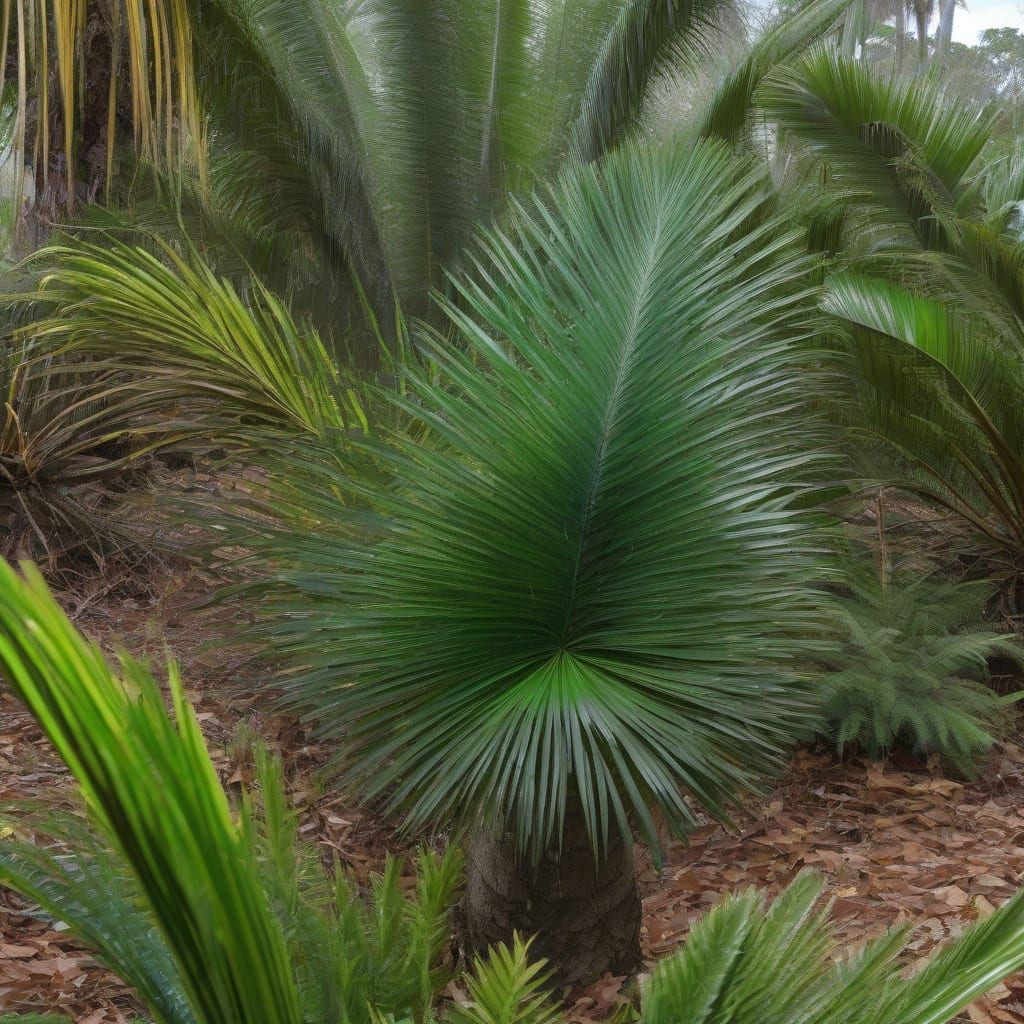
As I gaze at my majestic Sago Palm 🌴, I’m often asked about its potential height. These stunning plants can grow quite tall, but their slow growth rate means they stay manageable for years.
Understanding how tall Sago Palms can grow is crucial for garden planning, especially in USDA Zone 9b where they thrive. Let’s explore what to expect from these beautiful plants.

1-2 ft

2-4 ft

3-6 ft

6-10 ft
Sago palms are known for their impressive size and slow growth rate. Understanding their maximum height is essential for garden planning and maintenance. Typically, Sago palms can grow between 6 to 10 feet tall, with some specimens reaching heights of up to 12 feet in ideal conditions 🌴.
The growth rate of Sago palms is particularly slow, often taking years to reach maturity. On average, they grow about 1 to 2 feet every 3 to 5 years. This slow growth makes them ideal for landscaping where a steady, manageable size is desired.
Sago palms’ height is influenced by various factors including soil quality, sunlight exposure, and watering practices. Proper care can help these plants achieve their full growth potential while maintaining their health and structural integrity.
When planning your garden, consider the mature size of Sago palms to ensure they have enough space to grow without becoming overcrowded. Their slow growth rate means they can remain in the same spot for many years without needing frequent relocation or pruning 🌿.
The trunk diameter of Sago palms can also be quite substantial, sometimes reaching 3 feet or more in diameter. This stout trunk supports the plant’s overall structure and contributes to its majestic appearance.
Factors such as climate, soil nutrients, and overall plant health play significant roles in determining the final height of Sago palms. Gardeners should be patient and provide optimal care conditions to help their Sago palms thrive and reach their maximum potential height 🌱.
It’s worth noting that while Sago palms can grow quite tall, they remain relatively compact compared to other palm species. Their slow and steady growth makes them a popular choice for both residential and commercial landscaping projects.
Regular maintenance, such as removing dead fronds and ensuring proper soil conditions, can support healthy growth. Sago palms are also known for their resilience and adaptability, making them suitable for various landscaping styles and environments.
For gardeners looking to manage the size of their Sago palms, understanding their growth habits is key. While they can grow tall, they can also be maintained at a smaller size through careful pruning and container management.
In summary, Sago palms are impressive plants that can reach significant heights over time. Their slow growth rate and manageable size make them a versatile choice for many gardeners and landscapers.
Several factors influence the height and growth of Sago palms, making it essential to understand these elements for optimal care. The soil quality plays a significant role, as Sago palms thrive in well-draining soil with adequate nutrients. Poor soil conditions can hinder growth and affect the plant’s overall health 🌿.
Sago palms are sensitive to overwatering, which can lead to root rot and stunted growth. Ensuring proper drainage is crucial for healthy development.
Sunlight exposure is another critical factor affecting Sago palm height. These plants prefer full sun to partial shade, with at least 6 hours of direct sunlight daily. Insufficient light can result in leggy growth and weak health 🌻.
Watering practices also impact Sago palm growth. While they are drought-tolerant, consistent moisture promotes healthier growth. However, it’s essential to avoid overwatering, which can be detrimental to the plant’s health 💧.
Fertilization is vital for maintaining the health and promoting the growth of Sago palms. Using a balanced fertilizer during the growing season can provide necessary nutrients. It’s recommended to fertilize every 2-3 months during the spring and summer months 🌼.
The climate and temperature are also significant factors. Sago palms thrive in warm temperatures and are sensitive to frost. In colder climates, protection from frost is necessary to prevent damage to the plant ❄️.
Pest control and regular maintenance are crucial for the overall health of Sago palms. Regularly inspecting the plants for pests and removing dead fronds can help prevent issues and promote healthy growth 🐜.
By understanding and managing these factors, gardeners can create optimal conditions for their Sago palms to grow and thrive. Proper care and attention to these elements will help achieve the desired height and maintain the plant’s health and beauty 🌸.
In summary, the height and growth of Sago palms are influenced by a combination of factors including soil quality, sunlight, watering practices, fertilization, climate, and maintenance. By addressing these elements, gardeners can ensure their Sago palms reach their full potential.
Managing the size of Sago palms is crucial for maintaining their aesthetic appeal and ensuring they fit well within their designated space. One effective way to control their height is through pruning. Regular removal of dead or damaged fronds not only keeps the plant looking tidy but also promotes healthy growth 🌿.
Using appropriately sized containers can help control the root growth, which in turn affects the overall size of the Sago palm. Smaller containers will naturally limit the plant’s growth.
Regular pruning of dead or yellowing fronds helps maintain the plant’s appearance and directs energy towards healthy growth. Be cautious not to over-prune, as this can stress the plant.
Adjusting watering and fertilization practices can also influence the growth rate. Moderate feeding and careful watering can help maintain a desired size without compromising the plant’s health.
By implementing these strategies, gardeners can effectively manage the size of their Sago palms, ensuring they remain a beautiful and manageable part of their landscape or container garden 🌸.
In summary, managing Sago palm size involves a combination of pruning, container size management, and adjusting care practices. With these techniques, you can maintain your Sago palms at a desirable height while promoting their overall health and vitality 🌱.
