
Beautiful Plants For Your Interior
Beautiful Plants For Your Interior
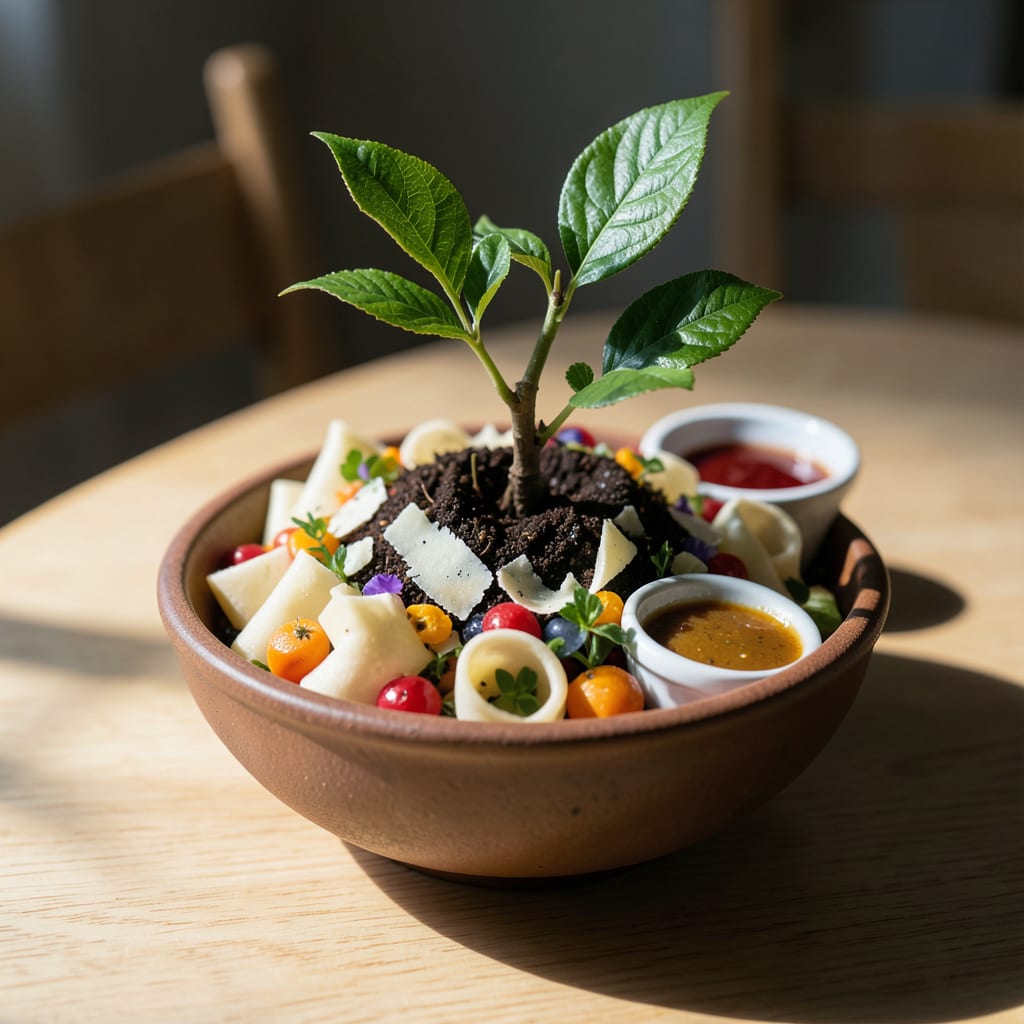
Fertilizing your Fruit Tree 🍎 at the right time is crucial for a bountiful harvest. In USDA Zone 6, the ideal times are early spring when buds break and after harvest in fall.
Understanding when to fertilize helps maintain tree health throughout the growing season. I’ll guide you through the best practices for fertilizing your Fruit Tree, ensuring you get the most out of your harvest.

Fertilizing fruit trees at the right time is crucial for maximizing yields and maintaining tree health throughout the growing season. The timing of fertilization depends on the tree’s growth cycle and nutrient needs.
I recommend fertilizing fruit trees during their active growing periods. The best times are typically in early spring and after harvest in fall. This allows the trees to absorb necessary nutrients for growth and fruit production.
Understanding seasonal fertilization needs is key to optimizing fruit tree care. Different seasons require different fertilization strategies to support tree health and productivity.
In early spring, fertilizing at budbreak provides essential nutrients for new growth and fruit development. This is typically the most critical fertilization period for fruit trees.
During late spring and summer, lighter feedings every 4-6 weeks help maintain nutrient levels and support continued growth and fruit production.
Fall fertilization after harvest is important for promoting root growth and preparing the tree for the next growing season. This helps maintain tree health during dormancy.
Winter is typically a dormant period for fruit trees, and no fertilization is needed during this time. The trees are not actively growing, and fertilization can be counterproductive.
By following this seasonal fertilization guide, you can optimize your fruit tree care and maximize yields.
Regular soil testing can help determine nutrient deficiencies and guide fertilization decisions. This ensures you’re providing the right nutrients in the right amounts.
Fertilization should be balanced and based on soil test results. A balanced fertilizer with an NPK ratio of 10-10-10 is often recommended for fruit trees.
It’s also important to consider the age and health of your fruit trees when determining fertilization needs. Younger trees may require more frequent fertilization, while older trees may need less.
By understanding and implementing a seasonal fertilization strategy, you can promote healthy growth, maximize yields, and maintain the overall health of your fruit trees.
For more specific guidance, consult with local gardening experts or your county extension office for advice tailored to your region and specific fruit tree varieties.
Determining when your fruit trees need fertilization is crucial for maintaining their health and maximizing yields. I’ll guide you through the signs of nutrient deficiency, soil testing methods, and visual inspection techniques to help you make informed decisions about fertilizing your fruit trees.
One of the primary indicators that your fruit trees need fertilization is the presence of nutrient deficiencies. These can manifest in various ways, such as yellowing leaves, stunted growth, or poor fruit production.
Keep an eye out for signs like yellowing leaves, stunted growth, or poor fruit production, which can indicate that your fruit trees need fertilization.
Soil testing is another critical method for determining fertilization needs. By analyzing your soil’s nutrient content, you can identify deficiencies and adjust your fertilization strategy accordingly.
Visual inspection of your fruit trees is also essential. Look for signs of nutrient deficiencies, such as yellowing or distorted leaves, and check for any pests or diseases that may be affecting tree health.
By combining these methods, you can develop a comprehensive understanding of your fruit trees’ fertilization needs and make informed decisions to promote healthy growth and maximize yields 🌿.
Fertilization should be based on the specific needs of your fruit trees, taking into account factors like tree age, soil type, and climate conditions.
For more specific guidance, consult with local gardening experts or your county extension office for advice tailored to your region and specific fruit tree varieties.
By understanding and addressing your fruit trees’ fertilization needs, you can promote healthy growth, maximize yields, and enjoy a bountiful harvest 🍎.
Fertilizing fruit trees effectively requires understanding the right techniques and timing. I’ll share three key tips to help you improve your fruit tree harvests through proper fertilization.
Select a balanced fertilizer with an NPK ratio of 10-10-10 that’s suitable for fruit trees. Avoid high-nitrogen fertilizers that can promote excessive vegetative growth at the expense of fruit production.
Apply 1 cup of fertilizer per inch of trunk diameter, measured at chest height. This helps ensure your trees receive the right amount of nutrients without over-fertilizing.
Fertilize in early spring at budbreak and again in fall after harvest. These timings support new growth and promote root development during dormancy.
By following these key fertilization tips, you can significantly improve the health and productivity of your fruit trees. Proper fertilization timing and application help maximize yields and maintain tree vigor.
For optimal results, consider factors like soil type, tree age, and climate conditions when planning your fertilization schedule. Adjust your approach as needed based on tree response and annual soil tests 🌿.
Effective fertilization is just one aspect of comprehensive fruit tree care. Combine these tips with proper pruning, watering, and pest management for the best harvest results.
Fertilize your fruit trees every 4-6 weeks during the growing season, typically from early spring to late summer. The exact frequency depends on factors like tree age, soil type, and climate conditions. Regular soil testing can help determine the optimal fertilization schedule.
A balanced fertilizer with an NPK ratio of 10-10-10 is generally recommended for fruit trees. This provides equal amounts of nitrogen, phosphorus, and potassium, supporting overall tree health and fruit production. Avoid high-nitrogen fertilizers that can promote excessive vegetative growth.
No, it’s not recommended to fertilize fruit trees during winter when they’re dormant. Fertilization during this period can be counterproductive and may cause new growth that’s vulnerable to frost damage. Instead, focus on fertilizing during the early spring at budbreak and fall after harvest.
Look for signs of nutrient deficiencies, such as yellowing leaves, stunted growth, or poor fruit production. Regular soil testing can also help determine if your trees need fertilization. Visual inspections and monitoring tree health throughout the growing season are crucial for identifying fertilization needs.
