
Beautiful Plants For Your Interior
Beautiful Plants For Your Interior
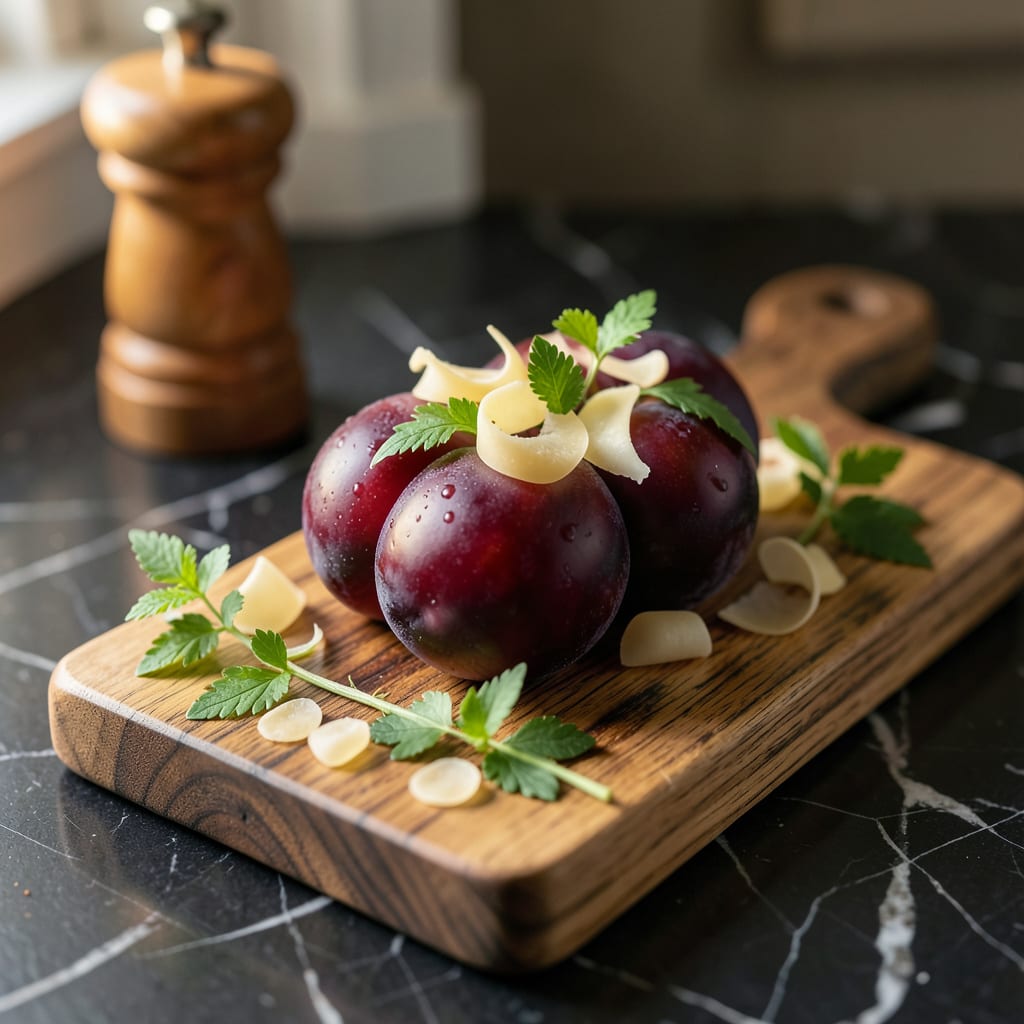
Fertilizing your 🍑 Plum Tree at the right time is crucial for maximizing fruit production and maintaining tree health. In USDA Zone 6, the growing season begins in early spring.
I recommend fertilizing your Plum Tree during this period to promote healthy growth. Let’s explore the best fertilization strategies for optimal results throughout the growing season.

Fertilizing plum trees at the right time is crucial for their health and productivity. In USDA Zone 6, the growing season begins in early spring, making it the ideal time to start fertilizing. I recommend understanding the seasonal growth patterns of your plum tree to determine the best fertilization schedule 🌟.
The fertilization needs of plum trees vary throughout the year. During the growing season, they require more nutrients to support their growth and fruit production. Let’s explore the best times to fertilize your plum tree throughout the year 📆.
Understanding the fertilization frequency is equally important. For plum trees, fertilizing every 6-8 weeks during the growing season is typically recommended. This frequency supports continuous growth without overloading the tree with nutrients 💪.
The type of fertilizer used is also critical. A balanced fertilizer with an NPK ratio of 10-10-10 is generally suitable for plum trees. This balance ensures that the tree receives equal amounts of nitrogen, phosphorus, and potassium, promoting overall health and fruit production 🌱.
When applying fertilizer, it’s essential to follow the recommended application rates. For plum trees, applying 1 lb of fertilizer per 100 sqft is a good rule of thumb. This rate helps prevent over-fertilization, which can harm the tree and the environment 🌿.
Soil testing is another vital aspect of fertilization. By testing your soil, you can determine its nutrient content and pH level, allowing you to adjust your fertilization strategy accordingly. This ensures that your plum tree receives the nutrients it needs without excess or deficiency 🔍.
In addition to fertilization, maintaining good soil moisture is crucial. Plum trees prefer consistent moisture, especially during the growing season. Ensuring that the soil is neither too dry nor too wet will support healthy growth and fruit production 💧.
Finally, it’s worth noting that young plum trees may have different fertilization needs compared to mature trees. Young trees may require more frequent fertilization to support their rapid growth. As your tree matures, you can adjust the fertilization schedule accordingly 🌱.
By following these guidelines and understanding the specific needs of your plum tree, you can optimize its health and productivity. Remember, the key to successful fertilization is timing, balance, and attention to your tree’s needs 📅.
For more detailed information on plum tree care, including pruning and pest management, consider consulting additional resources. This will help you maintain a comprehensive care routine for your plum tree 📚.
Monitoring your tree’s response to fertilization is also important. Look for signs of healthy growth, such as robust foliage and abundant fruit production. Adjust your fertilization strategy as needed based on your observations 🌟.
I recommend understanding the different fertilization strategies to optimize your plum tree’s health. Choosing the right fertilizer type and application method is crucial for promoting healthy growth and fruit production 🍑.
The type of fertilizer used plays a significant role in plum tree health. A balanced fertilizer with an NPK ratio of 10-10-10 is generally recommended. This balance provides equal amounts of nitrogen, phosphorus, and potassium, supporting overall tree health 🌱.
Understanding the nutrient needs of your plum tree is also vital. Plum trees require a balanced diet of nutrients to support their growth and fruit production. Regular soil testing helps determine the specific nutrients needed 🔍.
When applying fertilizer, it’s essential to follow the recommended application rates. Over-fertilization can harm the tree and the environment, while under-fertilization may not provide enough nutrients 🌿.
Young plum trees have different fertilization needs compared to mature trees. They require more frequent fertilization to support their rapid growth. As your tree matures, you can adjust the fertilization schedule accordingly 🌱.
Monitoring your tree’s response to fertilization is crucial. Look for signs of healthy growth, such as robust foliage and abundant fruit production. Adjust your fertilization strategy as needed based on your observations 🌟.
By following these fertilization strategies and understanding the specific needs of your plum tree, you can optimize its health and productivity. This comprehensive approach ensures that your tree receives the necessary nutrients for optimal growth and fruit production 📅.
For more detailed information on plum tree care, including pruning and pest management, consider consulting additional resources. This will help you maintain a comprehensive care routine for your plum tree 📚.
Fertilizing plum trees requires careful consideration to avoid common mistakes that can harm the tree’s health and productivity. I recommend understanding these pitfalls to ensure your plum tree thrives 🌟.
One of the most significant mistakes is over-fertilization. Applying too much fertilizer can damage the tree’s roots and cause excessive growth, making it more susceptible to disease and pests. It’s essential to follow the recommended application rates and monitor your tree’s response to fertilization 🌿.
Applying too much fertilizer can harm your plum tree. Follow recommended rates and monitor tree response.
Another common mistake is fertilizing at the wrong time. Plum trees have specific fertilization needs throughout the year. Fertilizing during the wrong season can disrupt the tree’s natural growth cycle and reduce fruit production 📆.
Soil testing is crucial in avoiding fertilization mistakes. By testing your soil, you can determine its nutrient content and pH level, allowing you to adjust your fertilization strategy accordingly. This ensures that your plum tree receives the necessary nutrients without excess or deficiency 🔍.
Finally, it’s essential to monitor your tree’s response to fertilization. Look for signs of healthy growth, such as robust foliage and abundant fruit production. Adjust your fertilization strategy as needed based on your observations 🌟.
By avoiding these common fertilization mistakes and understanding the specific needs of your plum tree, you can optimize its health and productivity. This comprehensive approach ensures that your tree receives the necessary care for optimal growth and fruit production 📅.
Fertilize your plum tree every 6-8 weeks during the growing season, which typically starts in early spring and continues through summer. This frequency supports continuous growth without overloading the tree with nutrients. Regular fertilization promotes healthy growth and fruit production.
A balanced fertilizer with an NPK ratio of 10-10-10 is generally recommended for plum trees. This balance provides equal amounts of nitrogen, phosphorus, and potassium, supporting overall tree health and fruit production. Using a balanced fertilizer ensures that your tree receives the necessary nutrients for optimal growth.
No, it’s best to stop fertilizing your plum tree in the fall to allow it to prepare for dormancy. Fertilizing during this period can disrupt the tree’s natural growth cycle and reduce fruit production. Instead, focus on fertilizing during the growing season, from early spring to summer.
For plum trees, applying 1 lb of fertilizer per 100 sqft is a good rule of thumb. This rate helps prevent over-fertilization, which can harm the tree and the environment. Always follow the recommended application rates on the fertilizer package.
