
Beautiful Plants For Your Interior
Beautiful Plants For Your Interior
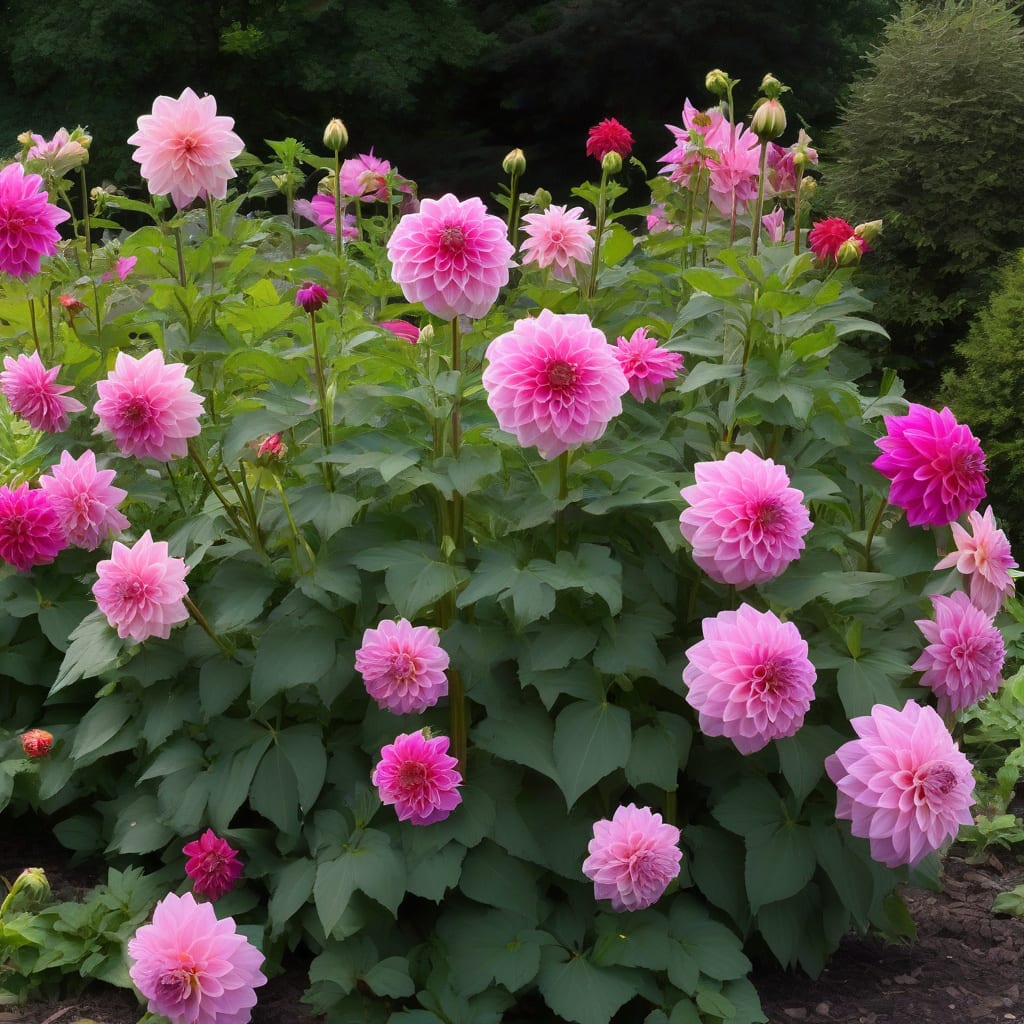
When I first started growing dahlias 💐, I was amazed by their vibrant blooms and varying heights. Did you know that these beautiful flowers can grow anywhere from 2 to 6 feet tall, depending on the variety and growing conditions?
Understanding how tall your dahlias will grow is crucial for proper garden planning and care. In this article, I’ll share expert tips on maximizing their height and keeping them healthy throughout the growing season.

2-4 ft

4-6 ft

4-6 ft

2-6 ft
Dahlias are known for their vibrant blooms and varying heights, typically ranging from 2 to 6 feet tall. The height of dahlias is influenced by several factors, including the variety, soil quality, sunlight, and watering practices. Understanding these factors is crucial for gardeners who want to maximize their dahlia’s growth potential 🌼.
The variety of dahlia is one of the most significant factors affecting its height. Different varieties have been bred for specific characteristics, including height. For example, compact varieties are bred to be shorter and more bushy, while giant varieties can grow much taller. Knowing the specific variety you’re growing can help you anticipate its mature height 🌻.
Soil quality plays a critical role in determining dahlia height. Dahlias prefer well-draining soil that is rich in organic matter. Poor soil conditions can limit root development and, consequently, plant height 🌱.
Sunlight is another essential factor. Dahlias need full sun to grow tall and produce abundant blooms. Inadequate sunlight can result in leggy growth as the plants stretch towards the light source ☀️.
Proper watering practices are also vital. Consistent moisture, especially during the establishment phase, helps dahlias develop a strong root system. However, overwatering can lead to root rot and stunted growth 💧.
In addition to these factors, fertilization can impact dahlia height. Using a balanced fertilizer during the growing season can promote healthy growth and maximize height 🌿.
It’s also worth noting that support can influence the perceived height of dahlias. Taller varieties often require staking to prevent them from toppling over in the wind 🌻.
By understanding and managing these factors, gardeners can create optimal conditions for their dahlias to reach their full height potential 📈.
Key takeaways for maximizing dahlia height include choosing the right variety, providing optimal growing conditions, and proper care throughout the growing season 🌟.
For gardeners looking to grow the tallest dahlias possible, it’s essential to start with healthy tubers and provide them with the best possible growing conditions from the outset 💪.
Regular monitoring and adjustment of growing conditions can also help in achieving maximum height. This includes keeping an eye on soil moisture, watching for signs of nutrient deficiency, and ensuring the plants receive adequate sunlight 🔍.
To achieve maximum height with dahlias, gardeners need to focus on several key techniques that go beyond basic care. Proper staking is essential for tall varieties, as it prevents damage from wind and weather while supporting the plant’s natural growth 📈.
Staking should be done early in the growing season, typically when the plants are about 12-18 inches tall. Using sturdy stakes that are at least 6 feet tall can provide the necessary support for giant varieties 🌿.
Use a balanced fertilizer (10-10-10 NPK) every 4-6 weeks during the growing season to promote healthy growth and maximize height 🌼.
Plant dahlias 18-24 inches apart to prevent overcrowding and allow for proper air circulation, which helps prevent disease and promotes healthy growth 🌻.
Pinching the growing tip when the plant is about 12 inches tall encourages branching, which can lead to a sturdier plant and more blooms 💪.
Regular watering is crucial, especially during dry spells. Dahlias need consistent moisture, particularly when they’re producing buds and blooms. However, it’s essential to avoid overwatering, which can lead to root rot 💧.
Deadheading spent blooms can also encourage dahlias to focus their energy on growing taller and producing more flowers. By removing faded blooms, you signal the plant to produce new ones, promoting continuous flowering throughout the season 🌼.
Another critical factor is soil quality. Ensuring your soil is well-draining and rich in organic matter will support healthy root development and, consequently, taller plants 🌱.
For gardeners looking to push their dahlias to their maximum height potential, it’s worth considering the use of growth enhancers. Some gardeners swear by the use of high-phosphorus fertilizers to promote root development and overall plant health 🌿.
By implementing these expert tips and techniques, gardeners can create an optimal environment for their dahlias to thrive and reach their full height potential 🌟.
Growing dahlias to their full height potential can be challenging due to various factors such as weather damage, pests, and diseases. Understanding these challenges and knowing how to address them is crucial for successful dahlia cultivation 🌼.
Weather damage is one of the most common issues affecting dahlia height. Strong winds and heavy rainfall can cause tall dahlia stalks to break or bend. To mitigate this, gardeners should provide proper staking and support to keep plants upright ⛈️.
Regularly inspect your dahlias for signs of pests or diseases. Common issues include aphids, slugs, and powdery mildew. Early detection is key to preventing damage 🐜.
Pests like aphids and slugs can significantly impact dahlia growth. Regular inspection and appropriate control measures, such as using organic pest control methods, can help mitigate these issues 🌿.
Diseases such as powdery mildew and root rot can also affect dahlia height. Ensuring good air circulation around plants and avoiding overwatering are critical steps in preventing these problems 💧.
By being aware of these common challenges and implementing preventive measures, gardeners can better ensure their dahlias reach their full height potential 🌟.
Key strategies for overcoming dahlia height challenges include providing proper support, monitoring for pests and diseases, and maintaining optimal growing conditions 📈.
With careful attention and appropriate care, dahlias can thrive and achieve impressive heights, adding beauty and drama to any garden 🌼.
