
Beautiful Plants For Your Interior
Beautiful Plants For Your Interior
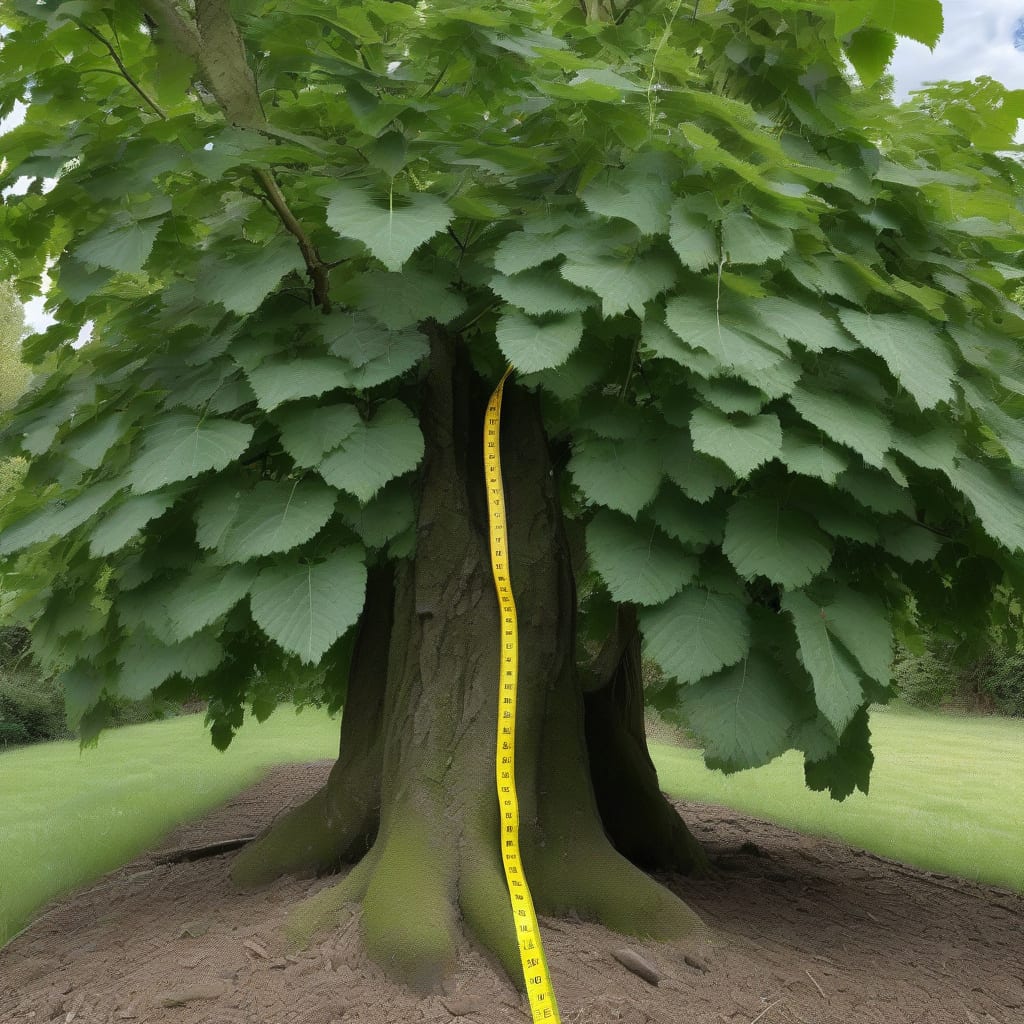
When planting a Mulberry Tree 🌳, understanding its growth potential is crucial. These trees can grow quite tall, but their exact height depends on various factors.
In USDA Zone 6, you can expect your Mulberry Tree to reach a certain height range. Let’s explore what influences their growth and how tall they can actually get.


Mulberry trees are known for their impressive growth, but their height is influenced by several key factors. Understanding these elements is crucial for gardeners to make informed decisions about planting and caring for their trees 🌳.
The variety of mulberry tree is a primary factor in determining its height. Different types, such as white, black, and red mulberry trees, have distinct growth patterns. Climate and soil quality also play significant roles, as mulberry trees thrive in specific conditions. Maintenance practices, including pruning, can significantly impact the final height of the tree.
The variety of mulberry tree significantly affects its height. For instance, dwarf varieties are bred for smaller sizes, typically reaching 8-12 feet in height, making them ideal for smaller gardens or spaces where a full-sized tree might be too large.
Climate is another critical factor. Mulberry trees generally thrive in USDA Zone 6 and similar conditions, with warmer climates often leading to more vigorous growth. Soil quality is equally important; well-draining, fertile soil supports healthy growth, while poor soil conditions can stunt the tree’s development.
Maintenance practices, particularly pruning, play a crucial role in managing the height of mulberry trees. Regular pruning not only helps control the tree’s size but also promotes healthier growth and fruit production. By understanding and adjusting these factors, gardeners can better manage the height of their mulberry trees.
Mulberry trees are known for their adaptability and relatively fast growth rate. Under optimal conditions, they can grow 3-5 feet per year when young. This rapid growth makes them an excellent choice for gardeners looking to establish a shade tree or fruit-bearing tree quickly.
It’s worth noting that mulberry trees can live for decades, with some specimens known to thrive for over 50 years. This longevity means that while they may start small, they can eventually become substantial trees, providing shade and fruit for generations.
The growth rate of mulberry trees is generally considered to be moderate to fast. Young trees can establish themselves quickly, but their growth rate slows as they mature. Factors such as soil quality, climate, and maintenance practices can influence this growth rate.
In terms of mature height, mulberry trees can vary widely. Standard varieties can reach heights of 20-30 feet, while dwarf varieties top out at around 8-12 feet. This range allows gardeners to choose a tree that fits their specific needs and space constraints.
Overall, mulberry trees are a versatile and rewarding addition to any garden. By understanding the factors that influence their height and growth, gardeners can make informed decisions and enjoy the many benefits these trees provide 🌳.
Mulberry trees come in various types, each with its unique growth characteristics. Understanding these differences is essential for gardeners to choose the right tree for their space 🌳.
The height of mulberry trees can vary significantly depending on the specific variety. Let’s explore the average height ranges for different types of mulberry trees and what factors contribute to their growth patterns.
The white mulberry is known for its fast growth rate and can reach heights of 30-50 feet. This variety is often used for landscaping due to its rapid growth and broad canopy 🌳.
Black mulberry trees, on the other hand, tend to grow more slowly and typically reach heights of 10-30 feet. They are valued for their dense foliage and fruit production.
Red mulberry trees exhibit moderate growth and usually attain heights of 10-25 feet. They are known for their broad canopy and are often used as ornamental trees.
Dwarf mulberry varieties are compact and slow-growing, making them ideal for smaller spaces. They typically grow to be around 6-10 feet tall, making them a great choice for container gardening or small gardens 🌼.
When selecting a mulberry tree, it’s essential to consider the mature height of the tree and how it will fit into your landscape. Proper planning can help ensure that your tree thrives and remains a beautiful addition to your garden for years to come.
By understanding the different types of mulberry trees and their growth patterns, gardeners can make informed decisions about which variety to plant and how to care for it effectively.
Whether you’re looking for a shade tree, a fruit-bearing tree, or an ornamental addition to your garden, there’s a mulberry tree variety that’s sure to meet your needs 🌳.
Proper care and maintenance are essential for managing the size of your mulberry tree. Regular pruning is one of the most effective ways to control the height and shape of your tree 🌳.
Pruning should be done during the dormant season, typically in late winter or early spring. This helps to minimize stress on the tree and promotes healthy growth during the growing season. When pruning, focus on removing any dead or damaged branches, as well as any branches that are crossing or rubbing against each other.
Prune your mulberry tree annually to maintain its shape and promote fruit production. Remove any dead or damaged branches, and thin out the center to allow for good air circulation 🌳.
In addition to pruning, other care practices can help manage the size of your mulberry tree. Regular watering and fertilization can promote healthy growth, while mulching around the base of the tree can help retain moisture and suppress weeds.
It’s also important to consider the overall health of your tree when managing its size. Pest control and disease prevention measures can help prevent damage to the tree and promote healthy growth.
By following these care tips and pruning techniques, you can effectively manage the size of your mulberry tree and enjoy its many benefits for years to come 🌼.
