
Beautiful Plants For Your Interior
Beautiful Plants For Your Interior
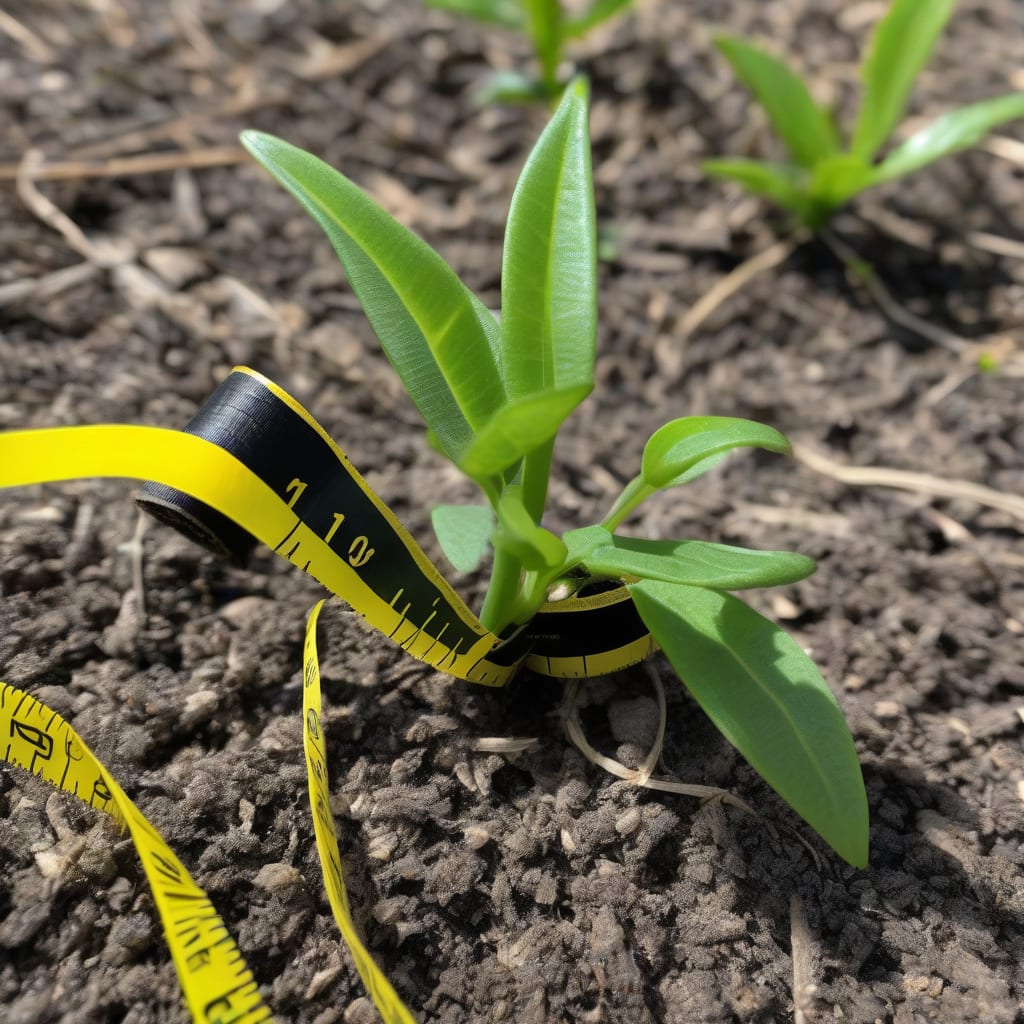
As I watch my Tree 🌳 grow, I’m constantly amazed at how much it can change in just a year. In USDA Zone 6, where I live, the spring planting season sets the stage for significant growth.
Understanding how tall your Tree will grow annually helps with planning and care. Let’s explore the factors that influence growth and how to optimize conditions for your Tree to thrive.

Understanding how tall plants grow in a year is crucial for garden planning and crop management. Different plant types have varying growth rates, and knowing these expectations helps gardeners make informed decisions about their garden layout and care routines.
The growth rate of plants depends on several factors, including the type of plant, environmental conditions, and care practices. Annuals, perennials, shrubs, and trees all have different growth patterns that gardeners should be aware of to optimize their garden’s potential.
Understanding the factors that influence how tall plants grow in a year is essential for effective garden planning and management. Several key elements contribute to a plant’s growth rate, and recognizing these can help gardeners optimize their care practices.
Soil quality is a critical factor in plant growth, as it provides the necessary nutrients for plants to thrive. Different plants have varying nutrient requirements, and ensuring the soil is rich in these nutrients can significantly impact growth rates.
Soil quality, climate conditions, and proper care practices are crucial for optimizing plant growth 🌱
Climate conditions, including temperature and precipitation patterns, also play a significant role in determining how tall plants will grow in a year. Plants have specific climate requirements, and matching these requirements can enhance growth.
Proper care practices, such as watering, pruning, and fertilizing, are vital for promoting healthy plant growth. Regular monitoring of plant health and adjusting care practices accordingly can help maximize growth potential.
By understanding and addressing these key factors, gardeners can create an optimal growing environment for their plants, leading to more robust and healthy growth 🌱
Different plants have unique growth habits influenced by their genetic makeup and environmental factors. Recognizing these habits allows gardeners to tailor their care strategies to meet specific plant needs.
Effective garden planning involves considering the annual growth expectations of different plant types and the factors that influence their growth. This knowledge enables gardeners to make informed decisions about plant placement and care routines.
By combining knowledge of plant growth expectations with an understanding of the factors that influence growth, gardeners can optimize their gardening practices to achieve the best possible results 🌿
To maximize annual height growth in your garden plants, it’s essential to understand the factors that influence their development. By optimizing growing conditions and care practices, you can promote healthy growth and achieve the best possible results 🌿
Ensure your soil is rich in necessary nutrients by adding organic matter like compost or manure. This will provide a solid foundation for healthy plant growth 🌱
Maintain a consistent watering schedule, ensuring plants receive enough moisture without being overwatered. Adjust based on weather conditions 💧
Prune plants to maintain shape, promote healthy growth, and remove any dead or diseased branches. This encourages plants to focus energy on new growth ✂️
By following these practical tips and techniques, you can maximize the annual height growth of your garden plants, leading to a more vibrant and thriving garden 🌼
Regular monitoring of plant health and adjusting care practices accordingly is crucial. Keep an eye out for signs of nutrient deficiencies, pests, or diseases, and take action promptly to prevent any issues from escalating 🌿
Maximizing annual height growth requires a combination of proper care practices, optimal growing conditions, and a good understanding of your plants’ specific needs. By implementing these strategies, you can enjoy a lush, healthy garden that continues to grow and flourish year after year 🌱
