
Beautiful Plants For Your Interior
Beautiful Plants For Your Interior
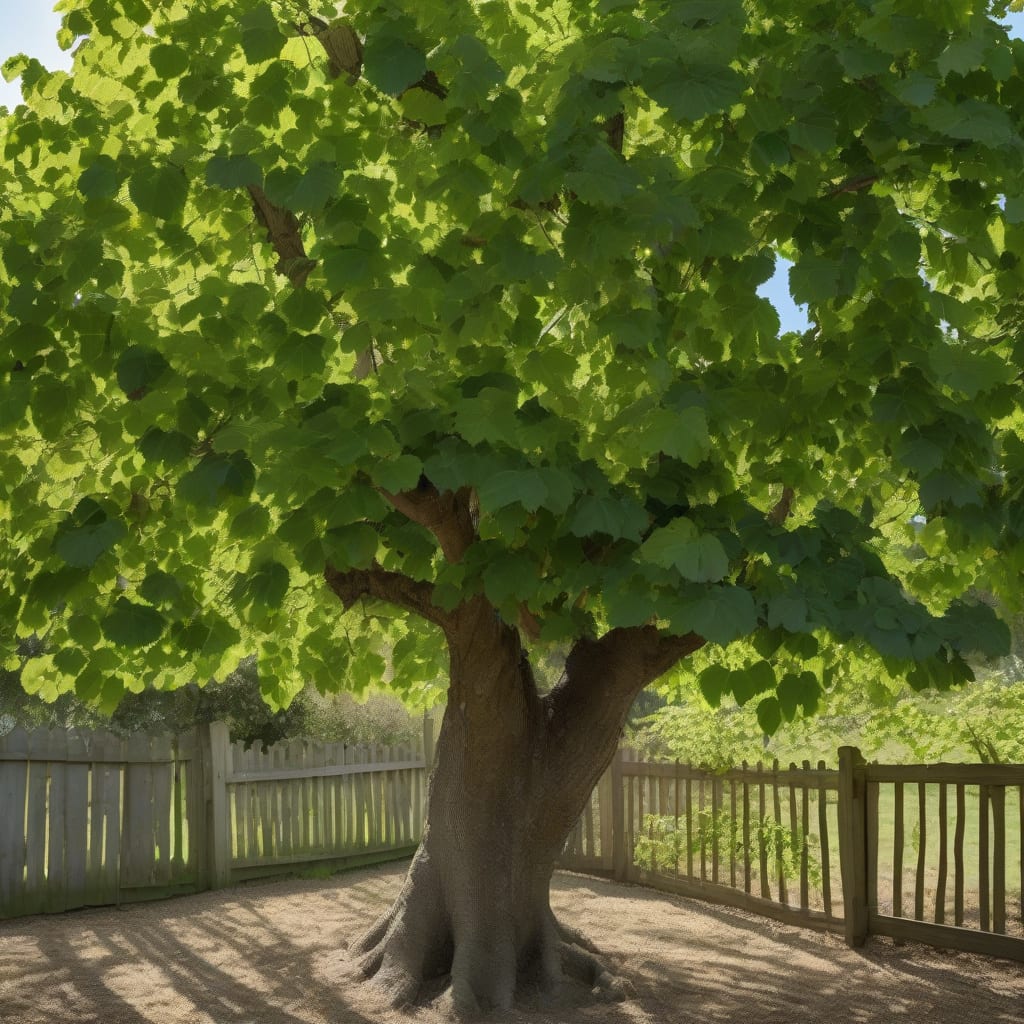
I’ve always been fascinated by the majestic Mulberry Tree 🌳, known for its impressive size and fruit-bearing capabilities. But just how tall can these versatile trees grow? The answer may surprise you.
Mulberry trees can reach heights of 15-30 feet, comparable to a 2-story house. Factors like species, growing conditions, and maintenance practices all play a role in determining their maximum height.
I’ve found that mulberry tree height is influenced by several key factors. The species of the tree plays a significant role, with different types having varying growth potentials. For example, some mulberry species are naturally more compact, while others can grow quite tall 🌳.
Growing conditions are another crucial factor. Soil quality, sunlight exposure, and water availability all impact how tall a mulberry tree can grow. Trees grown in optimal conditions with full sun and well-draining soil tend to reach their maximum potential height.
Maintenance practices, such as pruning, also affect mulberry tree height. Regular pruning can help control the size of the tree, keeping it smaller if desired, or promoting a stronger, more balanced structure 🌿.
The age of the mulberry tree is another important consideration. Young trees typically start small and grow rapidly in the first few years. As they mature, their growth rate slows, and they eventually reach their maximum height.
Understanding these factors is essential for gardeners and landscapers who want to cultivate mulberry trees effectively. By considering the species, growing conditions, and maintenance needs, one can better predict and manage the height of these trees.
For instance, the black mulberry is known for its larger size compared to other varieties. Proper care, including regular watering and fertilization, can help ensure that mulberry trees reach their full potential height.
It’s also worth noting that mulberry trees can be grown in various settings, from large gardens to smaller landscapes. Their height can be managed through careful pruning and training techniques to fit different spaces.
In summary, the height of mulberry trees is influenced by a combination of genetic and environmental factors. By understanding and managing these factors, gardeners can cultivate healthy, thriving mulberry trees that meet their needs.
Overall, mulberry trees are versatile and can be adapted to different gardening goals. Whether you’re looking for a shade tree or a fruit-bearing plant, understanding their growth potential is key to successful cultivation 🌳.
Mulberry trees come in various species, each with its own growth characteristics. The height of these trees can vary significantly depending on the species 🌳.
The black mulberry is known for its larger size, typically growing between 15-30 feet tall. In contrast, the white mulberry tends to be slightly smaller, with heights ranging from 10-20 feet. The red mulberry falls somewhere in between, usually reaching heights of 12-25 feet.
Understanding the maximum height of different mulberry tree species is crucial for gardeners and landscapers. This knowledge helps in planning and maintaining the trees effectively 🌿.
For example, if you’re looking to create a natural screen or windbreak, you might prefer the black mulberry for its taller growth. On the other hand, if you’re working with a smaller space, the white mulberry might be a better fit due to its more compact size.
It’s also important to consider the growth rate of mulberry trees when planning your garden. While they can grow relatively quickly, especially in their early years, their growth rate slows as they mature.
By choosing the right mulberry species for your needs and understanding their growth potential, you can enjoy the many benefits these trees offer, from their delicious fruit to their ornamental value 🌳.
In conclusion, mulberry trees can grow to varying heights depending on their species. By selecting the appropriate species and providing proper care, you can cultivate these beautiful trees in your garden.
I’ve found that managing the height of mulberry trees is crucial for gardening success. By controlling their height, you can ensure they fit well in your garden and maintain their overall health 🌳.
One effective way to manage mulberry tree height is through pruning. Regular pruning helps control the size of the tree and promotes a stronger, more balanced structure. It’s best to prune mulberry trees during their dormant season to minimize stress 🌿.
Evaluate the tree’s current height and structure to determine the best pruning approach.
Start by removing any dead or damaged branches to improve the tree’s overall health.
Thin out the canopy to allow more sunlight to reach inner branches and promote healthy growth.
Shape the tree by cutting back branches to maintain the desired height and structure.
In addition to pruning, training techniques can also help manage mulberry tree height. Techniques such as espaliering or using a trellis can help control the tree’s growth and keep it within a desired size 🌿.
By combining regular pruning with appropriate training techniques, you can effectively manage the height of your mulberry trees and enjoy their many benefits in your garden 🌳.
