
Beautiful Plants For Your Interior
Beautiful Plants For Your Interior
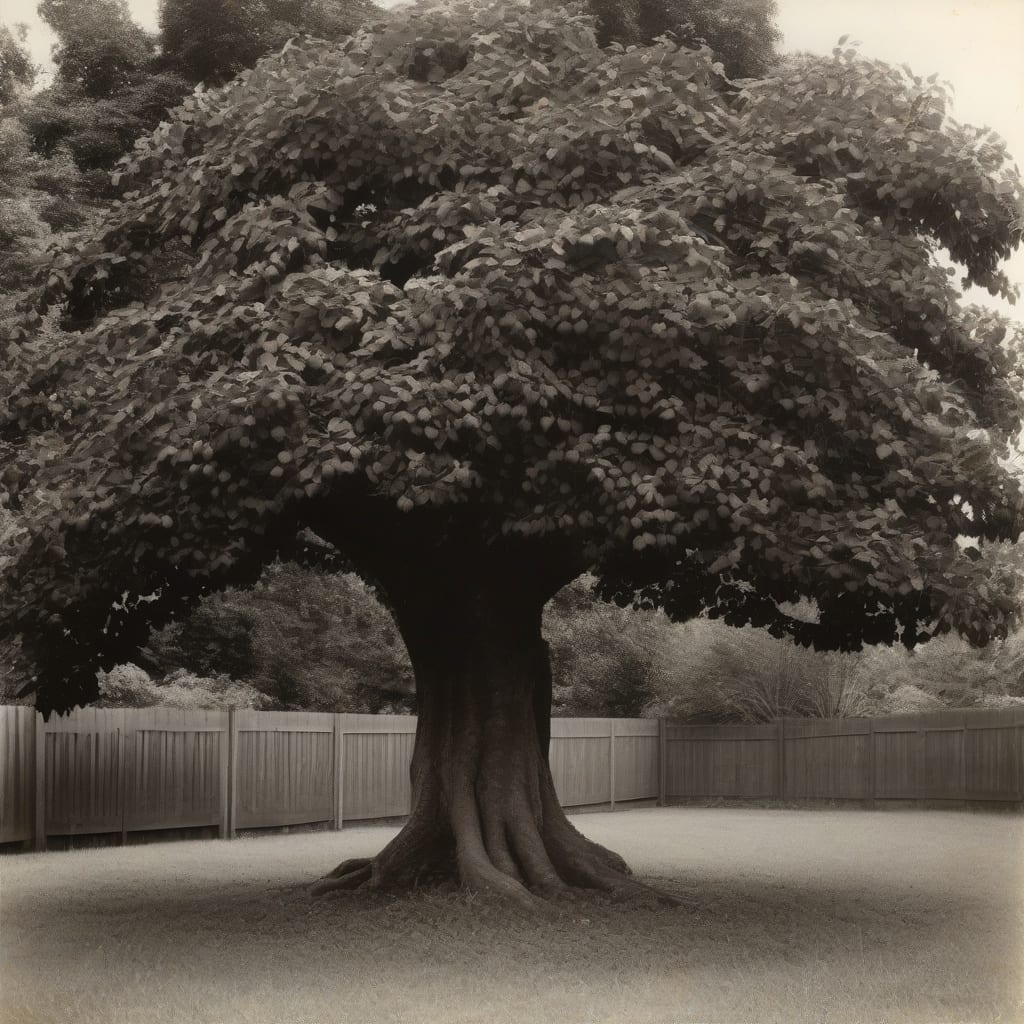
I’ve always been fascinated by the majestic 🌳 Mulberry Tree, known for its impressive size and bountiful fruit production. Growing in USDA Zone 6, these trees can reach heights that rival a 2-story house, making them a striking addition to any landscape.
Understanding how tall your Mulberry Tree will grow is crucial for planning and care. Factors like soil quality, climate, and pruning practices all play a role in determining the ultimate size of your tree, which can range from 15 to 30 feet tall.


Mulberry trees are known for their impressive size and fruit production, but their height is influenced by various factors. Understanding these factors is crucial for proper garden planning and tree care. The height of a mulberry tree can vary significantly based on its species, soil quality, and climate 🌳.
The species of the mulberry tree plays a significant role in determining its height. Different species have different growth habits and maximum heights. For example, the white mulberry (Morus alba) can grow taller than the red mulberry (Morus rubra). Soil quality is another critical factor; mulberry trees prefer well-draining soil with a pH between 6.0 and 6.5. The climate also affects the tree’s growth, with mulberries thriving in USDA zones 5-9 🌟.
The age of the mulberry tree also affects its height. Younger trees tend to grow more rapidly than older trees. Pruning practices can also influence the tree’s height, as regular pruning can help control the tree’s size and promote healthy growth 🌱.
Understanding these factors is essential for managing the height of your mulberry tree effectively. By considering the species, soil quality, and climate, you can make informed decisions about planting and caring for your tree 🌳.
For more information on mulberry tree care, you can visit the Royal Horticultural Society website, which provides comprehensive guidance on growing mulberry trees.
In conclusion, the height of a mulberry tree is influenced by a combination of factors, including species, soil quality, and climate. By understanding these factors, you can better manage your tree’s growth and ensure it reaches its full potential 🌟.
By following these guidelines, you can help your mulberry tree thrive and enjoy its delicious fruit and shade for years to come.
Mulberry trees come in various species and cultivars, each with its unique growth characteristics. Understanding the average and maximum height of different mulberry tree varieties is essential for garden planning and tree selection 🌳.
The height of mulberry trees can vary significantly based on their species and cultivar. White mulberry trees tend to grow taller than red mulberry trees, while dwarf mulberry trees are bred to remain compact 🌟.
When selecting a mulberry tree for your garden, consider the available space and the desired height of your tree. If you have limited space, a dwarf mulberry might be the most suitable choice 🌳.
In addition to the tree’s variety, factors such as soil quality, climate, and pruning practices can also influence the tree’s ultimate height. Proper care and maintenance are crucial for ensuring your mulberry tree reaches its full potential 🌿.
For more information on mulberry tree varieties and their growth characteristics, you can consult with a local nursery or gardening expert. They can provide valuable insights and recommendations based on your specific climate and soil conditions 🌟.
By understanding the average and maximum height of different mulberry tree varieties, you can make informed decisions about which tree to plant and how to care for it. This knowledge will help you enjoy the beauty and fruit production of your mulberry tree for years to come 🌸.
I always emphasize the importance of proper pruning and care when it comes to managing the size of mulberry trees. By understanding and implementing effective pruning techniques, you can control the height and promote healthy growth of your tree 🌳.
Pruning is a critical aspect of mulberry tree care. It helps maintain the tree’s shape, encourages fruit production, and removes any dead or diseased branches. The best time to prune mulberry trees is during their dormant season, typically in late winter or early spring ❄️.
Start by removing any branches that are dead, diseased, or damaged. This helps prevent the spread of disease and encourages healthy growth 🌱.
Thin out the center of the tree to allow more sunlight to penetrate and promote air circulation. This helps reduce the risk of disease and encourages fruiting 🌟.
Shape the tree by cutting back branches that are growing outside of its natural shape. This helps maintain a balanced structure and promotes healthy growth 🌳.
In addition to pruning, regular care practices such as watering, fertilizing, and mulching are essential for maintaining the overall health and size of your mulberry tree. Ensure your tree receives adequate water, especially during dry spells, and fertilize it annually with a balanced fertilizer 🌿.
By following these pruning and care tips, you can effectively manage the size of your mulberry tree and enjoy its bountiful fruit production and beautiful foliage for years to come 🌸.
