
Beautiful Plants For Your Interior
Beautiful Plants For Your Interior
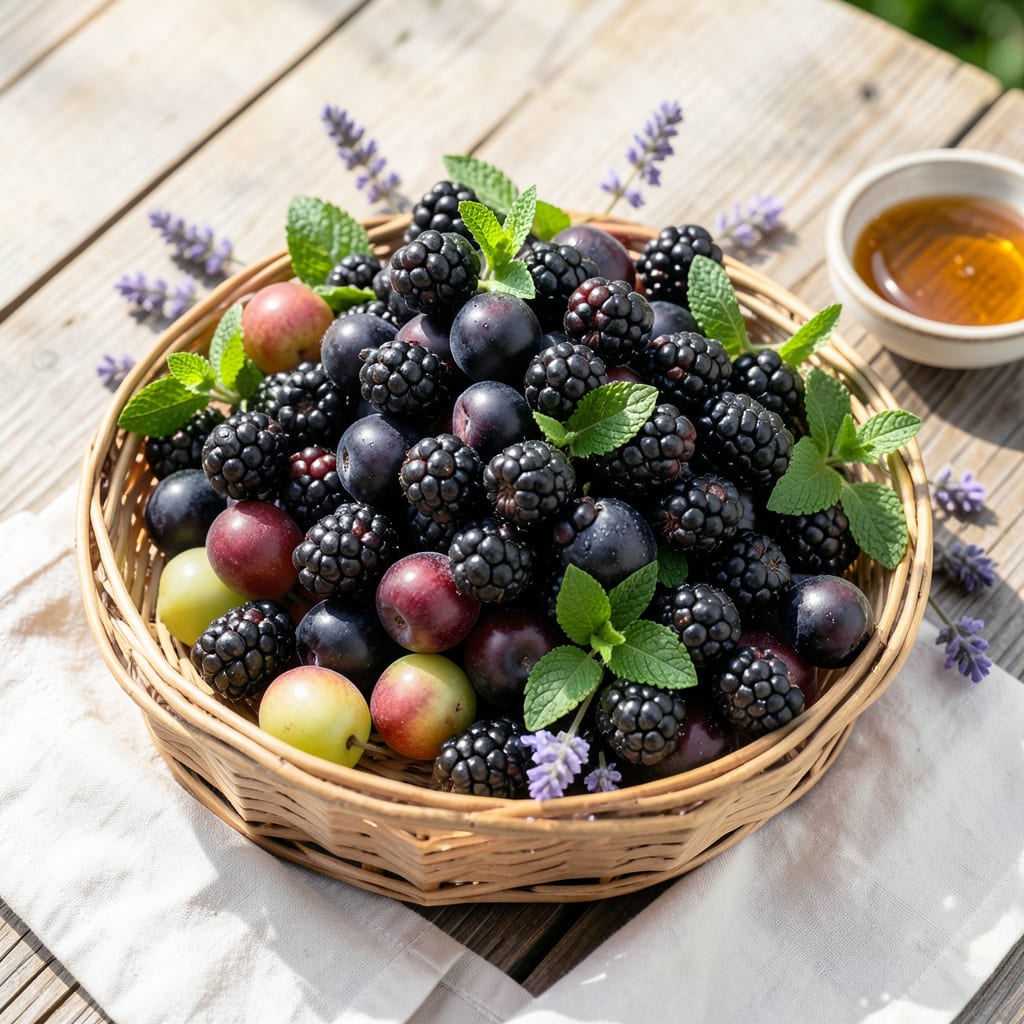
I’ve waited too many seasons for underripe mulberries. With Morus nigra, the difference between tart and transcendently sweet comes down to color, texture, and timing.
These trees reward patience. Plant in full sun with well-draining soil, water deeply during dry spells, and you’ll get fruit so rich it stains your fingers purple. The real test? They’ll practically fall into your hand when ready.
📚 In This Guide
Here’s the method I’ve refined over years of harvesting—simple cues that never fail.
Ripe black mulberries transition from pale green to deep purple-black. Don’t be fooled by red stages—these are underripe and tart. I check fruits daily during the final ripening phase, as the color shift happens quickly in warm weather.
The berries should appear uniformly dark with no green or red patches. A single cluster often ripens unevenly, so examine multiple fruits. True ripeness shows in the glossy, almost black sheen that develops on the surface.
Gently tug a berry from its stem. Ripe black mulberries release effortlessly with just a light touch, while unripe ones resist strongly. This is the most reliable tactile test I use in the field.
If the fruit breaks or requires force to detach, it needs more time. The stem should remain intact on the branch when the berry is ready. I always test multiple fruits from different clusters to confirm consistent ripeness.
Press the berry lightly between your fingers. Ripe black mulberries feel soft but not mushy, with a slight give under gentle pressure. The skin should appear plump and taut, not wrinkled or shriveled.
Cut one open to check the interior—it should be deep purple throughout with abundant juice. White or green flesh indicates immaturity. The juice from a fully ripe berry stains your fingers purple, which is a sure sign of peak sweetness.
Ripe black mulberries emit a sweet, wine-like fragrance that’s noticeable when you hold a cluster near your nose. Unripe fruits have little to no aroma. This scent intensifies as the berries approach perfect ripeness.
Taste is the final confirmation. A perfectly ripe black mulberry bursts with honeyed sweetness and a complex berry flavor. Any sourness or astringency means the fruit needs more time on the tree. I always sample from different parts of the canopy, as sun exposure affects ripening speed.
After years of harvesting, I’ve learned these subtleties that separate good berries from phenomenal ones.
The Color Tell: In Step 1, don’t be tempted by those deep red berries—they’re still underripe and disappointingly tart. The transition from green to that glossy purple-black happens surprisingly fast in warm weather, sometimes overnight. I’ve found the most reliable sign is that almost-black sheen that looks like it’s been polished.
Here’s What I Learned: For Step 2, the separation test is foolproof. If you have to yank, it’s not ready. Ripe berries practically fall into your hand with the lightest touch. Between us, I used to think I needed to pull harder until I realized I was ruining perfectly good fruit.
Texture Intelligence: Step 3’s soft-but-not-mushy rule is non-negotiable. Press too hard and you’ll crush unripe berries. The perfect ripe berry gives just enough to know it’s ready, like a firm handshake with a hint of warmth. And that purple stain on your fingers? That’s your reward for patience.
Sensory Confirmation: The wine-like fragrance in Step 4 isn’t just poetic—it’s scientific. Unripe mulberries have virtually no scent. When you get that sweet aroma, you’re 90% there. The final 10% comes from the taste test: if it’s not burstingly sweet with no hint of sourness, give it another day.
Look for deep purple-black color, slight softness, and a sweet aroma. Ripe fruits detach easily from the stem with a gentle tug. Taste-test one—perfect ripeness means rich, honey-like sweetness with no tartness.
Harvest typically peaks in late spring to early summer (May-July), depending on climate. Pick in the morning when fruits are firmest, and avoid overripe berries that may be mushy or fermenting.
Unripe mulberries are tart, astringent, and may cause mild stomach upset. Wait until they’re fully dark and sweet. If you’re unsure, sample one—your taste buds will tell you!
Try blackberries, elderberries, or dark cherries for similar deep flavor in jams or desserts. For a unique twist, mix red or white mulberries into recipes—they’re sweeter but less complex.
Common causes include overwatering, pests (like fruit flies), or extreme heat. Ensure consistent moisture, use netting to protect berries, and check for infestations early.
