
Beautiful Plants For Your Interior
Beautiful Plants For Your Interior
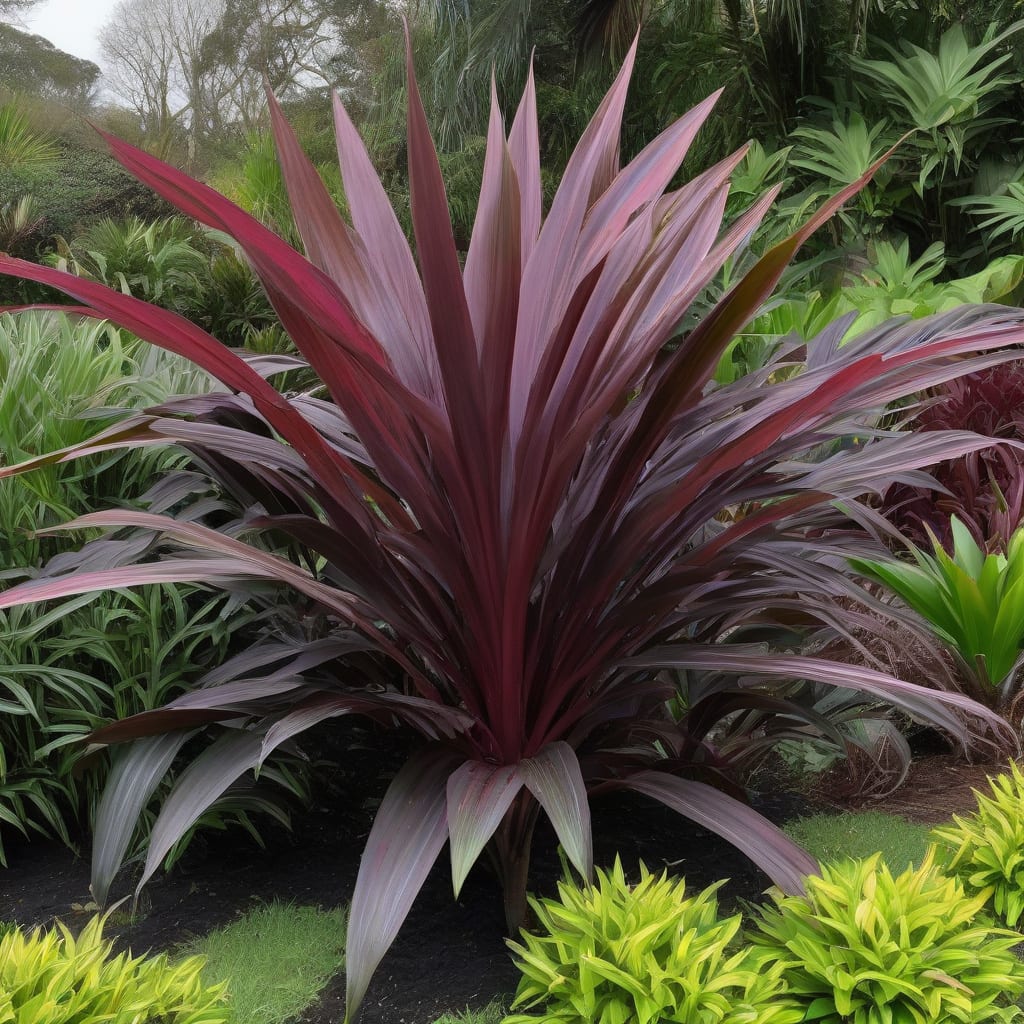
Cordylines 🌿 add dramatic vertical interest to gardens, but understanding their growth potential is key to perfect placement. In ideal conditions, these versatile plants can reach impressive heights, making them a stunning focal point in any landscape.
The mature height of Cordyline varies significantly depending on the variety and growing conditions in your USDA Zone 6 garden. Let’s explore what you can expect from these beautiful plants and how to make the most of their growth potential.


Cordylines are known for their impressive height potential, making them a dramatic addition to any garden. The mature height of these plants can vary significantly based on the specific variety and growing conditions.
Different Cordyline species and cultivars exhibit a wide range of growth patterns. Understanding these variations is crucial for gardeners to make informed decisions about plant placement and care.
The Cordyline australis, also known as the cabbage tree, is one of the tallest varieties, reaching heights of up to 15 feet in ideal conditions. In contrast, Cordyline fruticosa typically grows to be around 6-10 feet tall.
Dwarf varieties of Cordyline are also available for gardeners who prefer more compact plants. These varieties usually reach a maximum height of 3-6 feet, making them suitable for smaller gardens or container planting.
When selecting a Cordyline for your garden, it’s essential to consider the mature height of the variety to ensure it fits well within your landscape design. Proper placement can enhance the visual appeal and overall health of the plant.
Growth rates can also vary among Cordyline varieties. Some may grow more quickly than others, depending on factors such as soil quality, climate, and maintenance practices. Understanding these factors is crucial for managing Cordyline height effectively.
By choosing the right variety and providing appropriate care, gardeners can enjoy the unique beauty and vertical interest that Cordylines bring to their outdoor spaces. 🌿
Cordylines are not only valued for their height but also for their ornamental foliage and ability to add structure to garden designs. Their versatility makes them a popular choice among gardeners.
Regular pruning can help maintain the desired height and shape of Cordylines, ensuring they remain a stunning focal point in the garden. Proper pruning techniques are essential for promoting healthy growth.
In addition to their aesthetic appeal, Cordylines are relatively low-maintenance plants, making them an excellent choice for both novice and experienced gardeners.
Overall, Cordylines offer a unique combination of height, beauty, and ease of care, making them a valuable addition to many garden landscapes. By understanding their growth potential and care requirements, gardeners can maximize the benefits of these versatile plants.
Cordyline height growth is influenced by several key factors that gardeners should consider when cultivating these plants. Understanding these elements is crucial for optimizing their growth potential and achieving the desired height in your garden.
The growing conditions play a significant role in determining the height of Cordylines. Factors such as soil quality, climate, and sunlight exposure can significantly impact their growth.
Cordylines thrive in well-draining soil and partial shade to full sun, depending on the variety. Maintaining optimal growing conditions is essential for maximizing their height potential.
Soil quality is particularly important, as Cordylines prefer well-draining soil rich in organic matter. Ensuring the soil is fertile and has good drainage can promote healthy root development, which in turn supports vertical growth.
Climate is another critical factor affecting Cordyline height. These plants generally thrive in mild temperatures and are sensitive to extreme cold or heat. In USDA Zone 6, gardeners should be mindful of the first and last frost dates to protect their Cordylines.
Watering practices also impact Cordyline height growth. Consistent moisture is key, but overwatering can lead to root rot and stunt growth. Gardeners should aim for a balanced watering schedule, adjusting based on seasonal changes 🌿.
In addition to these factors, maintenance practices such as pruning and fertilization can influence Cordyline height. Regular pruning helps maintain the desired shape and promotes healthy growth, while fertilization provides essential nutrients for development.
By understanding and managing these factors, gardeners can create an optimal environment for their Cordylines to reach their full height potential. This not only enhances the aesthetic appeal of the garden but also ensures the overall health and vitality of the plants.
Effective care and maintenance are crucial for maximizing Cordyline height. By providing the right conditions and attention, gardeners can enjoy the full beauty and vertical interest that these versatile plants bring to their outdoor spaces.
Cordylines are versatile plants that can add dramatic vertical interest to various garden settings. Understanding their growth potential is crucial for effective garden design and plant placement 🌿.
When incorporating Cordylines into your garden, consider their mature height to ensure they fit well within your landscape. Proper placement can enhance the visual appeal and overall health of the plant.
When using Cordylines in garden designs, consider their mature height and growth rate to ensure proper placement and spacing.
Taller varieties like Cordyline australis can serve as stunning focal points in larger gardens or landscapes. They can be used to create a dramatic backdrop or add height to mixed borders.
Compact or dwarf varieties are ideal for smaller gardens, container planting, or border edges. These varieties typically reach a maximum height of 3-6 feet, making them versatile for various garden designs.
When designing with Cordylines, consider their growth rate and how it may impact your garden’s overall aesthetic over time. Some Cordyline varieties grow more quickly than others, depending on factors like soil quality and climate.
By selecting the appropriate Cordyline variety and providing proper care, gardeners can enjoy the unique beauty and vertical interest these plants bring to their outdoor spaces 🌿.
