
Beautiful Plants For Your Interior
Beautiful Plants For Your Interior
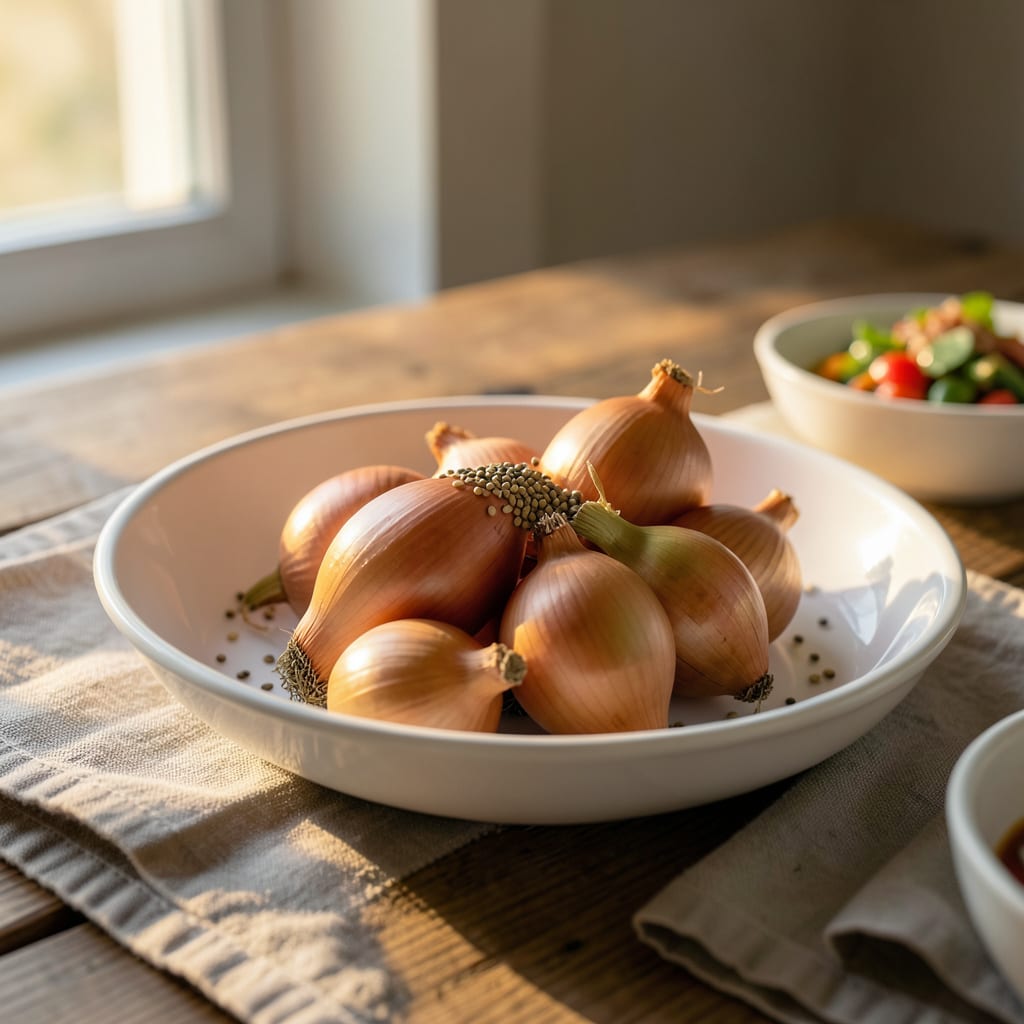
Growing healthy onions 🧅 requires careful planning, and fertilizing at the right time is crucial. In USDA Zone 6, you’ll want to time your fertilizer applications carefully to get the best results from your spring or fall crop.
Fertilizing your onions at the right growth stage can make all the difference in achieving bigger, healthier bulbs. Let’s explore the best times to fertilize and how to do it effectively for a more bountiful harvest.

Fertilizing onions at the right time is critical for bulb formation and overall plant health. In USDA Zone 6, onions are typically planted in early spring or fall, and their fertilization needs vary depending on the growth stage 🌱.
The key growth stages for onion fertilization are at planting time, during active growth, and just before bulb formation. Understanding these stages helps ensure your onions receive the necessary nutrients for optimal development.
The first fertilization should occur at planting time using a balanced fertilizer. This initial application helps establish a strong root system and supports early growth 🌱.
During active growth, onions benefit from nitrogen-rich fertilizers that promote healthy foliage. This typically occurs when the plants are about 6-8 inches tall, and a side-dressing application is recommended.
As the onions begin to bulb, reducing nitrogen and maintaining a balanced nutrient profile is crucial. This transition helps direct the plant’s energy toward bulb formation rather than excessive top growth 🔄.
Understanding these critical growth stages and their corresponding fertilization needs is essential for maximizing onion yield and quality.
For gardeners in USDA Zone 6, the typical growing season for onions spans several months, with March and September being key planting months. Adjusting fertilization timing according to these planting dates is vital for success.
Onions have specific nutrient requirements at different growth stages. During the early stages, they require a boost in phosphorus for root development, while later stages demand more potassium for overall plant health and bulb formation.
It’s also important to consider soil conditions when planning fertilization. Soil testing can reveal nutrient deficiencies and help tailor the fertilization strategy to the specific needs of your onion crop 🌾.
Fertilizing onions is not a one-size-fits-all approach. Factors such as soil type, weather conditions, and the specific variety of onion being grown can all influence the optimal fertilization schedule.
By carefully timing fertilizer applications to match the growth stages of your onions, you can significantly improve both the quantity and quality of your harvest, resulting in bigger, healthier bulbs 🧅.
Choosing the right fertilizer for your onions is just as important as timing your application correctly. Different growth stages require different types of fertilizers to maximize bulb development and overall plant health 🌿.
For onions, you’ll typically use a combination of nitrogen-rich, balanced, and low-nitrogen fertilizers at various stages. Let’s explore the best options and when to apply them for optimal results.
The initial fertilizer application at planting time should be a balanced fertilizer like 10-10-10 NPK. This provides a broad spectrum of nutrients that support both root development and early foliage growth 🌱.
During the active growth phase, when onion plants are about 6-8 inches tall, a nitrogen-rich fertilizer becomes essential. This promotes vigorous foliage growth, which is crucial for photosynthesis and overall plant health 🌻.
As the onions begin to form bulbs, it’s important to switch to a low-nitrogen fertilizer. This helps direct the plant’s energy toward bulb development rather than continued foliage growth, resulting in larger, healthier onions 🧅.
Organic fertilizer options are also available for onion cultivation. Compost, manure, and fish emulsion are popular choices among gardeners looking for natural alternatives to synthetic fertilizers.
When applying any fertilizer, it’s crucial to follow the manufacturer’s instructions to avoid over-fertilization, which can be harmful to your onion crop. Generally, fertilizers should be applied every 4-6 weeks during the growing season 🔄.
Soil testing before planting can help determine your soil’s nutrient content and pH level, allowing you to choose the most appropriate fertilizer for your onion crop 🌾.
For gardeners in USDA Zone 6, the fertilizer application schedule should be adjusted according to the planting dates in March or September. This ensures that your onions receive the necessary nutrients at the right time for optimal growth.
By understanding the different types of fertilizers available and their appropriate application times, you can create an effective fertilization strategy that supports your onions throughout their growth cycle, leading to a more successful harvest 🥕.
Fertilizing onions requires careful planning to avoid common pitfalls that can negatively impact your harvest. One of the most critical mistakes is over-fertilization, which can lead to excessive foliage growth at the expense of bulb development 🌿.
Too much fertilizer can damage your onion crop. Follow recommended application rates and avoid fertilizing too frequently.
Another common mistake is failing to test your soil before fertilizing. Soil testing helps determine nutrient deficiencies and pH levels, allowing you to choose the most appropriate fertilizer for your onion crop 🌾.
Onions have specific nutrient requirements at different growth stages. During the early stages, they require a boost in phosphorus for root development, while later stages demand more potassium for overall plant health and bulb formation.
To avoid nutrient deficiencies, it’s essential to understand the different types of fertilizers available and their appropriate application times. This knowledge helps create an effective fertilization strategy that supports your onions throughout their growth cycle 🥕.
By being aware of these common mistakes and taking steps to avoid them, you can significantly improve both the quantity and quality of your onion harvest, resulting in bigger, healthier bulbs 🧅.
Fertilize onions every 4-6 weeks during the growing season. Start when you plant them, then continue with regular applications until bulb formation begins. This schedule supports healthy growth and development.
A balanced fertilizer (10-10-10 NPK) is ideal for onions at planting time. Later, during active growth, switch to a nitrogen-rich fertilizer to promote healthy foliage. As bulbs form, use a low-nitrogen fertilizer to support bulb development.
Yes, over-fertilizing can harm your onions. Too much fertilizer, especially nitrogen, can lead to excessive foliage growth at the expense of bulb development. Always follow the manufacturer’s instructions and avoid fertilizing too frequently.
Yes, soil testing is recommended before fertilizing. It helps determine your soil’s nutrient content and pH level, allowing you to choose the most appropriate fertilizer for your onion crop and avoid potential deficiencies.
