
Beautiful Plants For Your Interior
Beautiful Plants For Your Interior
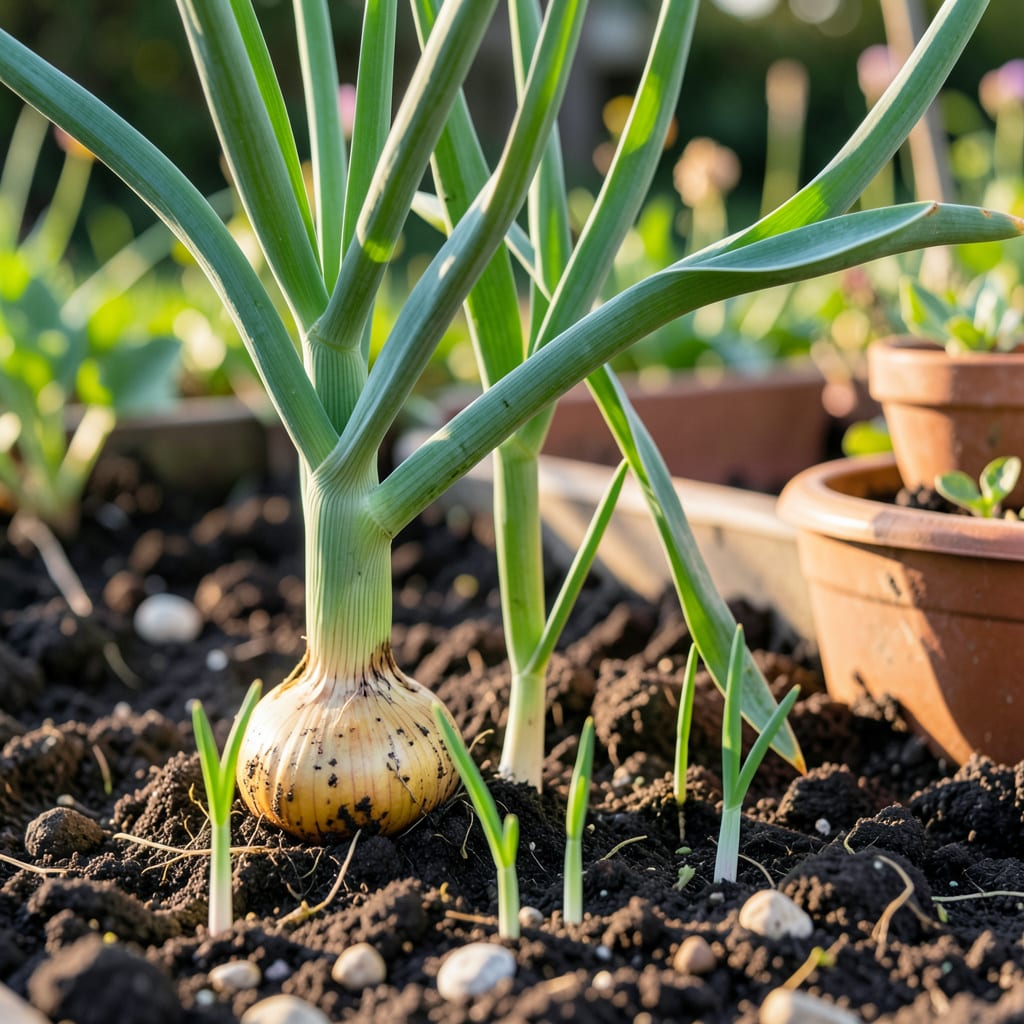
As fall approaches, gardeners in USDA Zone 6 can get a head start on next year’s harvest by planting 🧅 onions. Timing is crucial – plant 4-6 weeks before the first frost to give them a strong foundation.
In General areas, this means planting in September or October. Proper timing ensures healthy growth and better yields come May or June. Let’s explore the details to make your onion crop successful.
Ideal Time
Also Good
Planting onions in the fall gives you a head start on next year’s harvest, but timing is crucial. In USDA Zone 6, the ideal time to plant onions is 4-6 weeks before the first frost. This allows the onions to establish themselves before winter.
For most regions, this means planting in September or October. The exact timing depends on your specific climate and frost dates. Understanding these factors is key to successful fall onion planting.
Climate plays a significant role in determining the best planting time. In areas with milder winters, onions can be planted later in the fall. In regions with harsher winters, planting should occur earlier to give onions enough time to establish. 🧅
The variety of onion you’re planting also affects the optimal planting time. Some onion varieties are bred specifically for fall planting and have different maturation periods. Check the specific instructions for your onion variety to ensure the best results.
Soil temperature is another critical factor. Onions prefer cooler soil for fall planting, typically between 50°F to 60°F (10°C to 15°C). This temperature range supports healthy root development before the ground freezes.
To determine the exact planting time, consult a frost date calendar for your area. This will help you plan your planting schedule accurately. You can also check with local gardening experts or your county extension office for more specific advice tailored to your region.
Planting onions at the right time in the fall sets them up for success. With proper planning and timing, you’ll be rewarded with a bountiful harvest come spring and summer. The key is to give your onions enough time to establish before winter sets in.
By following these guidelines and understanding your local climate, you can enjoy a successful onion harvest. Fall-planted onions typically mature in 8-9 months, ready for harvest when the tops turn yellow and fall over.
For gardeners in USDA Zone 6, this means enjoying fresh onions in late spring to early summer. With the right timing and care, your fall-planted onions will thrive and provide delicious flavor to your dishes.
Proper fall planting also helps avoid common onion pests and diseases that are more prevalent in spring. By giving your onions a head start in the fall, you’re setting yourself up for a healthier and more productive crop.
In conclusion, planting onions in the fall requires careful consideration of your local climate, frost dates, and onion variety. By understanding these factors and planning accordingly, you can enjoy a successful and rewarding onion harvest.
Preparing your garden for fall onion planting involves several key steps to ensure a successful harvest. First, you need to choose the right onion variety for fall planting. Some onion varieties are better suited for fall planting than others, so
Next, you’ll need to prepare the soil for planting. Onions prefer well-drained soil with a pH between 6.0 and 7.0. Test your soil to determine its pH level and nutrient content. Based on the results, add organic matter like compost or well-rotted manure to improve soil fertility and drainage.
Remove weeds and debris, then loosen the soil to a depth of 8-10 inches. Mix in compost or well-rotted manure to improve soil fertility and drainage.
Select firm, healthy onion sets that are free from signs of mold or rot. Avoid sets that are too large or have already started to sprout.
Plant onion sets 4-6 weeks before the first frost, spacing them 4-6 inches apart. Make sure the pointed end is facing upwards and the base is buried ½ inch deep in the soil.
By following these steps, you’ll be well on your way to a successful fall onion harvest.
It’s also essential to mulch around the onions to retain moisture and suppress weeds. Use a layer of organic mulch like straw or wood chips to achieve this. This will help create a favorable environment for your onions to grow.
Fall-planted onions require minimal care during the winter months. However, it’s crucial to keep the area weed-free and ensure the soil doesn’t become too dry. With proper care, your onions will be ready for harvest in late spring to early summer.
In addition to these steps, consider rotating your crops to avoid depleting the soil of nutrients and to reduce the risk of pests and diseases. Onions are typically planted in a different location each year to maintain soil health.
By understanding the key factors involved in preparing your garden for fall onion planting, you can enjoy a bountiful harvest. Proper planning and preparation are essential for successful onion cultivation.
For more specific advice tailored to your region, consult with local gardening experts or your county extension office. They can provide valuable insights into the best practices for fall onion planting in your area.
With the right techniques and a bit of planning, you can enjoy a successful fall onion harvest. Start preparing your garden today to reap the rewards next year.
Caring for fall-planted onions during winter is crucial for a successful harvest. Proper care ensures that your onions survive the cold months and thrive come spring. One of the key steps is to mulch around the onions to retain moisture and suppress weeds.
Apply a layer of organic mulch like straw or wood chips to protect your onions from extreme temperatures and moisture loss.
Fall-planted onions require minimal care during the winter months. However, it’s essential to keep the area weed-free and ensure the soil doesn’t become too dry. This helps prevent competition for nutrients and reduces the risk of disease.
Pest management is also important during winter. While many pests are less active during this time, some can still pose a threat. Keep an eye out for signs of pests and take action if necessary to protect your onions.
In regions with harsh winters, consider providing additional protection for your onions. This can include applying a thicker layer of mulch or using row covers to shield them from extreme cold and wind.
By following these care tips, you can help ensure that your fall-planted onions survive the winter and are ready for harvest in late spring to early summer. Proper care during the cold months sets the stage for a bountiful and healthy harvest.
For more specific advice tailored to your region, consult with local gardening experts or your county extension office. They can provide valuable insights into the best practices for caring for fall-planted onions in your area 🌿.
For most regions, the ideal time is 4-6 weeks before the first frost, typically in September or October. This allows onions to establish before winter. Check your local frost date calendar for specific timing.
Start by choosing the right onion variety for fall planting. Then, prepare the soil by removing weeds and loosening it to 8-10 inches deep. Mix in compost or well-rotted manure to improve soil fertility and drainage.
Apply a layer of organic mulch like straw or wood chips to retain moisture and suppress weeds. Keep the area weed-free and ensure the soil doesn’t become too dry. In harsh winters, consider additional protection like row covers.
Fall-planted onions typically mature in 8-9 months, ready for harvest when the tops turn yellow and fall over. In USDA Zone 6, this is usually in late May to early June.
