
Beautiful Plants For Your Interior
Beautiful Plants For Your Interior
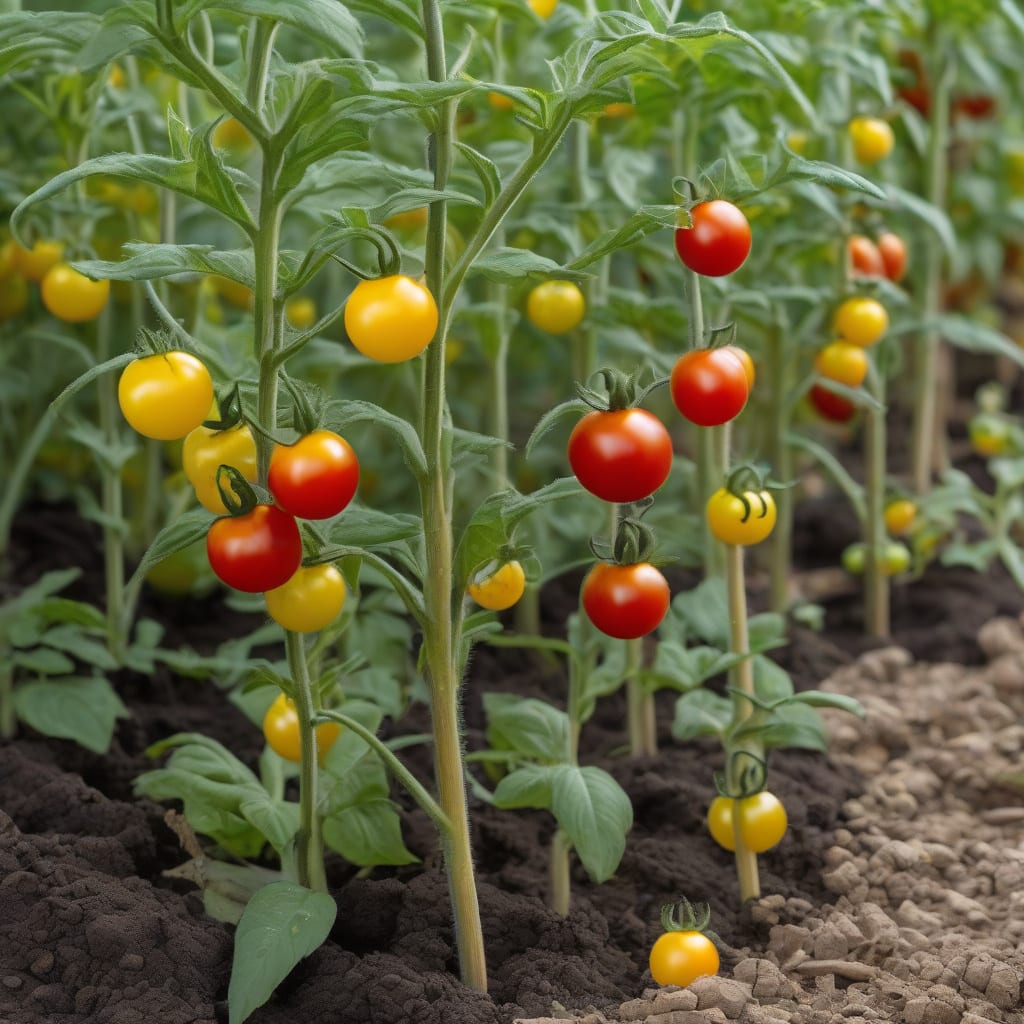
Growing tomato plants 🍅 can be a rewarding experience, but getting their height right is crucial. Too short, and you’ll miss out on fruit; too tall, and they’ll struggle to support themselves.
In USDA Zone 6, understanding the ideal height for your tomato plants is key to a successful harvest. Let’s explore the factors that influence their growth and how to achieve optimal height.

The height of your tomato plants can significantly impact their productivity and overall health. Understanding the factors that influence their growth is crucial for achieving optimal height and maximizing your harvest.
Tomato plant height varies greatly depending on the variety, growing conditions, and support systems. Generally, tomato plants can grow anywhere from 2 to 6 feet tall, with some indeterminate varieties reaching heights of over 10 feet if not pruned or supported properly.
The ideal height for tomato plants depends on the specific variety and growing conditions. For determinate varieties, a height of 2-3 feet is ideal. ideal for container gardening. Indeterminate varieties, also known as vining tomatoes, require more support and can grow much taller, often needing staking or trellising to manage their height and promote better fruiting.
To achieve the optimal height for your tomato plants, consider the following factors: soil quality, watering practices, and pruning techniques. Providing your plants with well-draining soil, consistent moisture, and proper pruning can help promote healthy growth and maximize your harvest.
It’s also important to note that tomato plant height can be influenced by factors such as temperature, light exposure, and nutrient availability. By understanding and managing these factors, you can help your tomato plants reach their full potential and enjoy a bountiful harvest. 🌟
For more specific guidance on managing tomato plant height, consider the following tips: monitor your plants regularly, provide support as needed, and prune your plants to promote healthy growth and maximize your harvest.
By following these guidelines and understanding the factors that influence tomato plant height, you can enjoy a successful and productive growing season. Happy gardening! 🌼
In summary, the key to achieving optimal tomato plant height lies in understanding the specific needs of your plants, providing proper care, and using effective support systems. By doing so, you can enjoy a bountiful harvest and make the most of your gardening efforts.
To achieve the best results with your tomato plants, it’s essential to manage their height effectively. Proper height management can lead to maximum yield and healthier plants. Let’s dive into some practical tips for controlling the height of your tomato plants.
Managing the height of your tomato plants involves a combination of pruning, training, and using support structures. These techniques help optimize fruit production and keep your plants healthy. Here are some effective methods to consider:
Remove suckers and lower leaves to promote healthy growth and fruiting. This helps direct the plant’s energy towards producing fruit rather than excessive foliage.
Trellises, cages, or stakes can help control the height of your tomato plants and improve air circulation, reducing the risk of disease.
Gently tie the main stem to the support structure as it grows. This helps maintain a straight and sturdy stem, promoting better fruit production.
By implementing these strategies, you can effectively manage the height of your tomato plants and enjoy a more bountiful harvest.
Effective height management not only improves yield but also makes it easier to care for your plants. With the right techniques, you can enjoy a healthier and more productive growing season. 🌼
In addition to pruning and support, consider the overall growing conditions for your tomato plants. Ensuring they receive adequate sunlight, consistent watering, and proper nutrients will further enhance their growth and productivity.
By following these tips and maintaining a proactive approach to managing your tomato plant height, you’ll be well on your way to a successful harvest. Happy gardening! 🌟
Different tomato varieties have unique growth habits that affect their height. Understanding these differences is crucial for managing your plants effectively. The main distinction lies between determinate and indeterminate varieties.
When selecting tomato varieties, consider your available space and support capabilities. Determinate varieties are ideal for container gardening or small spaces, while indeterminate varieties require more support and are better suited for larger gardens or trellises.
Understanding variety-specific growth habits helps you plan your garden layout and support systems more effectively. This knowledge enables you to maximize space and optimize growing conditions for your tomato plants.
For gardeners in USDA Zone 6, choosing varieties that mature within the growing season is crucial. Most tomato varieties take between 60 to 90 days to mature from transplanting.
By matching the tomato variety to your specific growing conditions and needs, you can better manage plant height and achieve a more successful harvest. 🌼
When planning your tomato garden, consider factors such as available space, support structures, and desired level of maintenance. This will help you select the most appropriate tomato variety for your needs.
Proper variety selection and height management contribute to healthier plants and more abundant fruit production. By understanding and applying these principles, you can enjoy a thriving tomato harvest. 🌟
