
Beautiful Plants For Your Interior
Beautiful Plants For Your Interior
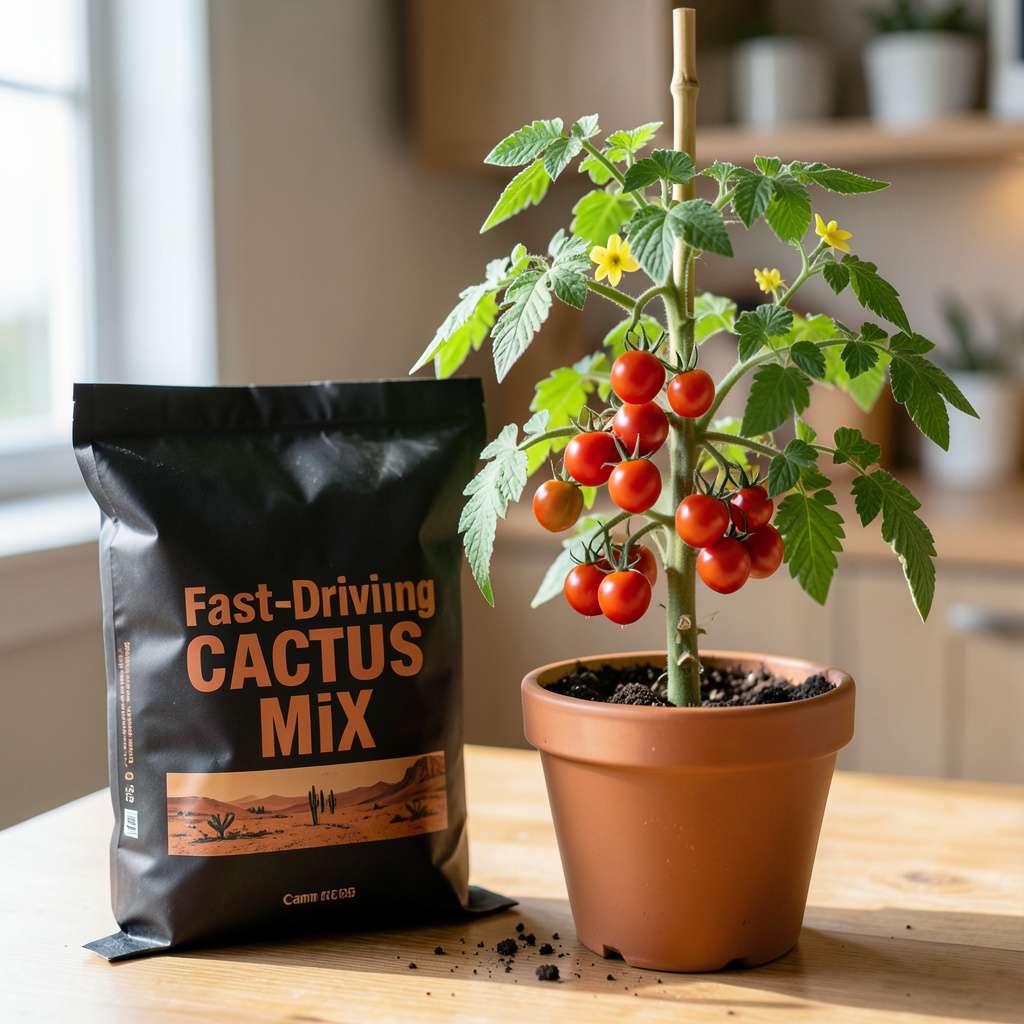
Cactus soil can work for some plants like succulents, snake plants, or herbs that prefer fast-draining, low-moisture conditions. However, it lacks nutrients and moisture retention for most tropical or leafy plants, which may struggle or fail to thrive.
I’ve tested this with my own garden experiments, and the results are clear: Mediterranean herbs like rosemary and thyme flourish in cactus soil because their native habitats mirror arid conditions. 🌵 The real challenge comes with plants that evolved in rainforests or marshy areas—they simply can’t establish proper root systems without consistent moisture and organic matter. What’s fascinating is how you can transform cactus soil by mixing in just 20-30% compost or coconut coir, creating a hybrid medium that works for semi-tropical plants like pothos or spider plants.
💡 In This Article
The secret lies in the mineral structure. Cactus soil typically contains 50-70% inorganic materials like coarse sand, perlite, or pumice—designed to mimic arid desert conditions. This creates large air pockets that prevent water from lingering around roots, which is perfect for cacti that evolved to survive droughts.
Regular potting mix, by contrast, contains 40-60% organic matter (peat moss, compost) that retains moisture and provides nutrients through decomposition.
Here’s what happens at the root level: The porous structure of cactus soil allows oxygen to circulate freely, preventing root rot in desert plants. But for tropical species like ferns or calatheas, this same structure becomes problematic—their fine roots can’t anchor properly in the loose, gritty medium.
I’ve seen this firsthand when trying to grow peace lilies in cactus mix; the roots simply couldn’t establish enough contact with the soil particles to absorb water efficiently. 🌱
The nutrient difference is equally dramatic. Standard potting soil contains 1-2% nitrogen, phosphorus, and potassium from organic amendments, while cactus soil often has negligible nutrients—sometimes as low as 0.1-0.3%. This forces plants to rely entirely on fertilizer, which works for slow-growing succulents but starves fast-growing leafy plants.
The pH also tends to be more alkaline (7.5-8.5) in cactus mixes versus the slightly acidic (6.0-7.0) range most houseplants prefer.
Water behavior reveals the biggest contrast. In regular soil, moisture distributes evenly and remains available for 3-5 days between waterings. Cactus soil drains so quickly that water may pass through in under 30 seconds, leaving the upper layers bone dry.
This rapid drainage explains why moisture-loving plants wilt within days—their root systems can’t adapt to the feast-or-famine water availability. 💧
Temperature regulation differs too. The high mineral content in cactus soil heats up faster in sunlight but also cools rapidly at night, creating temperature swings that stress tropical plants. Regular potting mix acts as insulation, maintaining more consistent root-zone temperatures.
This thermal stability is crucial for plants like African violets or begonias that thrive in stable environments.
One often overlooked factor is microbial activity. Healthy potting soil contains billions of beneficial bacteria and fungi per teaspoon that help break down organic matter. Cactus soil’s low organic content means these microbial communities are sparse or nonexistent, which affects nutrient cycling.
When I’ve tested soil samples under microscope, the difference in microbial diversity is striking—like comparing a bustling city to a ghost town. ✨
Ferns will struggle in pure cactus soil because their delicate roots need consistent moisture. The fast-draining mix causes the soil to dry too quickly, leading to brown, crispy fronds within days. For ferns, blend 1 part cactus soil with 3 parts potting mix to retain needed moisture.
A 50/50 blend works well for many houseplants like pothos or snake plants. This combination improves drainage while retaining enough moisture for healthy growth. Just monitor your plants’ response and adjust the ratio if leaves yellow or wilt.
Unopened bags of cactus soil can last 1-2 years if stored in a cool, dry place. Once opened, use it within 6 months for best results, as the inorganic materials can break down over time. Always check for moisture or pests before using stored soil.
It’s not ideal for most seeds, which need consistent moisture to germinate. However, for seeds prone to rot (like lavender), mix 50% cactus soil with 50% seed-starting mix. This prevents damping off while still providing enough moisture for sprouting.
Yes, but it needs refreshing first. Remove old roots and debris, then mix with 20-30% fresh compost to replenish nutrients. Sterilize by baking at 200°F for 30 minutes to kill any lingering pathogens before reuse.
