
Beautiful Plants For Your Interior
Beautiful Plants For Your Interior
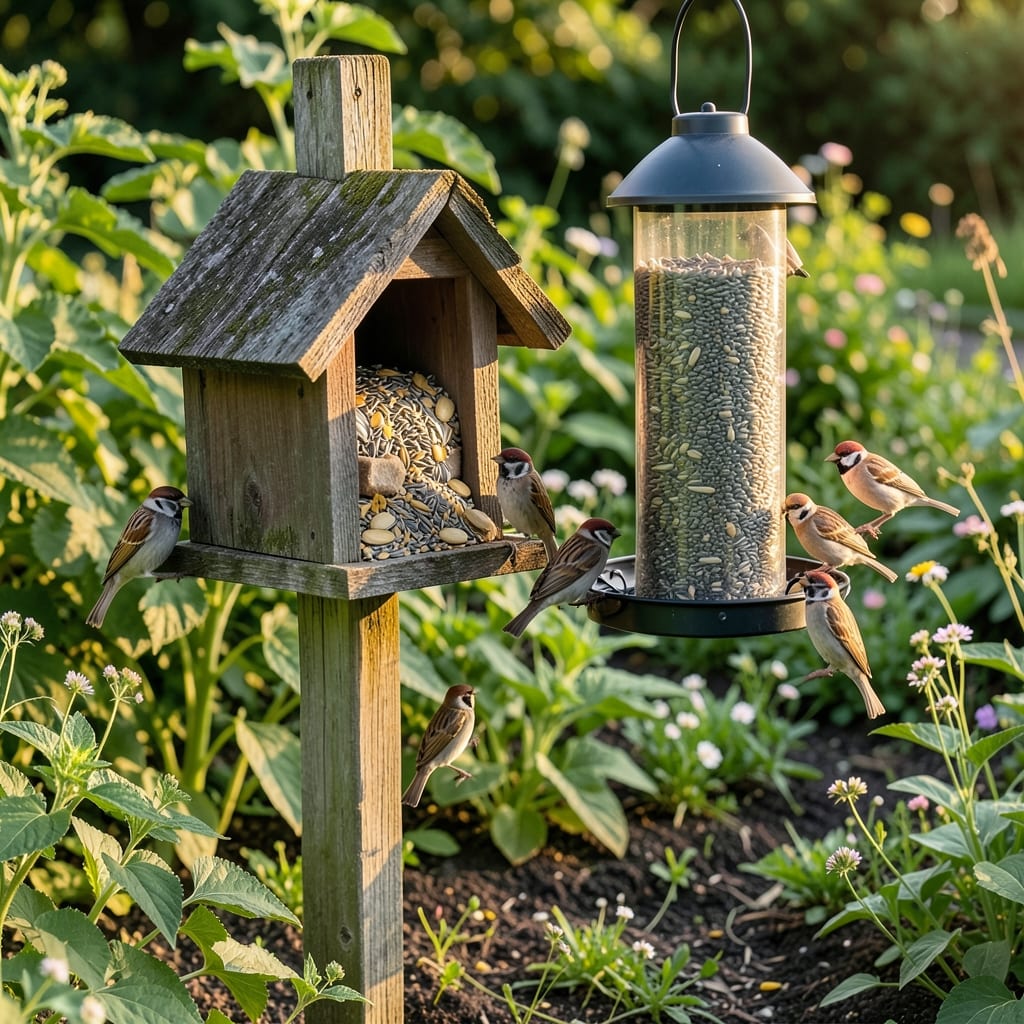
No, bird food should never go inside a birdhouse. Birdhouses are for nesting, while feeders placed nearby provide food without attracting predators or disrupting nesting birds.
I’ve learned that mixing these functions creates serious problems for nesting birds. 🔥 Predators like raccoons or snakes are drawn to food sources, putting vulnerable eggs and chicks at risk. Plus, food scraps can introduce bacteria or mold that contaminate the nesting space, potentially harming the birds you’re trying to help.
💡 In This Article
The moment you introduce food into a birdhouse, you create a beacon for predators. Raccoons, snakes, and even squirrels are highly attracted to food sources and can easily access or damage the birdhouse to reach it. These predators may harm eggs or nestlings, disrupting the entire nesting cycle. 🔥
Food inside a birdhouse also risks spreading disease. Moldy seeds or stale food can grow harmful bacteria like Salmonella or E. coli, which thrive in the confined, humid space of a nest box. Birds visiting the house may carry these pathogens on their feet or feathers, contaminating the nesting area.
This is especially dangerous for vulnerable chicks with developing immune systems.
Nest contamination extends beyond disease. Food scraps and seed hulls can accumulate, creating an unhygienic environment. This debris can also attract insects like ants or mites, which further stress nesting birds. The natural nesting behavior of birds involves keeping their space clean—adding food disrupts this instinctual process. ✨
Another critical issue is behavioral disruption. Birds naturally separate their nesting and feeding areas to minimize risks. When food is present in the birdhouse, parent birds may spend less time foraging and more time defending the nest from competitors. This can lead to malnutrition for both adults and chicks, as their diet becomes unbalanced.
Consider the chickadee, which typically feeds its young 300-500 times per day with insects and larvae. If food is readily available in the nest, parents might skip these essential feeding trips, depriving their chicks of the high-protein diet they need for proper growth. 💫
You’ll attract predators like raccoons or snakes that may harm eggs or chicks. The confined space also traps moisture, causing mold growth on uneaten seed within 24-48 hours.
Maintain at least 10-15 feet of separation to prevent predators from linking food to nests. This distance also reduces stress on nesting parents.
Use pole-mounted feeders with baffles placed at different heights. Clean them weekly and wash with bleach solution monthly to prevent disease.
No, this creates unsafe conditions. Separate structures maintain natural behaviors and protect vulnerable birds from contamination and predators.