
Beautiful Plants For Your Interior
Beautiful Plants For Your Interior
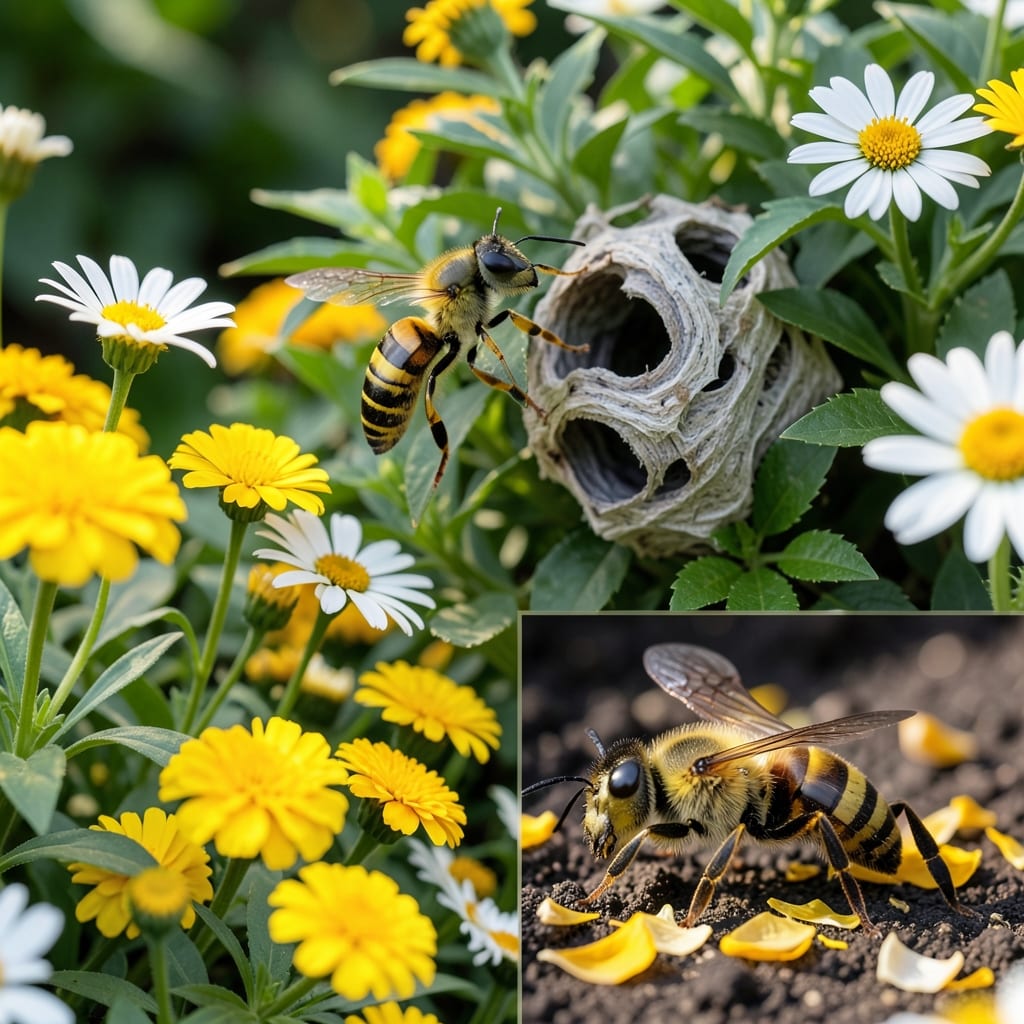
Worker yellow jackets live 12-22 days, males about 2-3 weeks, while queens can survive up to a year to establish new colonies each spring.
The stark contrast in longevity comes down to their biological roles. 🔥 Workers and males exist solely to support the colony during warm months, while queens must endure winter to found new nests. I’ve noticed that queens enter a dormant state called diapause, which conserves energy until spring conditions arrive for building fresh colonies.
💡 In This Article
The stark lifespan differences stem from their biological roles. Worker yellow jackets exist to maintain the nest, forage for food, and care for larvae during the active colony season. Their short 12-22 day lifespan is a trade-off for rapid population growth, allowing colonies to expand quickly in summer months when resources are abundant.
Males, called drones, live slightly longer at 2-3 weeks because their sole purpose is mating. They emerge in late summer, mate with new queens, then die shortly after. Their extended lifespan compared to workers gives them time to fulfill this reproductive duty before the colony declines in fall.
Queens are the outliers, living up to 12 months due to their critical role. After mating in fall, they seek sheltered overwintering sites like soil, leaf litter, or human structures. During this diapause state, their metabolism slows dramatically, conserving energy until spring when they emerge to build new colonies from scratch. ⚡
This seasonal strategy ensures colony survival. Workers and males die off as temperatures drop, but queens’ ability to endure winter through physiological adaptations allows the species to persist. Their fat reserves, built up before winter, sustain them through months of inactivity until conditions improve.
Environmental factors heavily influence these timelines. Warm climates may extend worker lifespans slightly, while harsh winters can reduce queen survival rates. The colony’s success depends on this delicate balance between short-lived workers maintaining summer growth and long-lived queens ensuring future generations. 💫
Workers live 12-22 days because their role is to rapidly expand the colony during summer. Their short lifespan allows for quick population turnover to support the nest’s growth when food is abundant.
Queens enter diapause, a dormant state where their metabolism slows dramatically. They seek shelter in soil or structures, living off fat reserves until spring to rebuild colonies.
Yes, males live 2-3 weeks to fulfill their mating role. They emerge in late summer, mate with new queens, then die shortly after as the colony declines in fall.
Warm climates may slightly extend worker lifespans, while harsh winters can reduce queen survival rates. Their lifespan depends on environmental conditions and colony needs.