
Beautiful Plants For Your Interior
Beautiful Plants For Your Interior
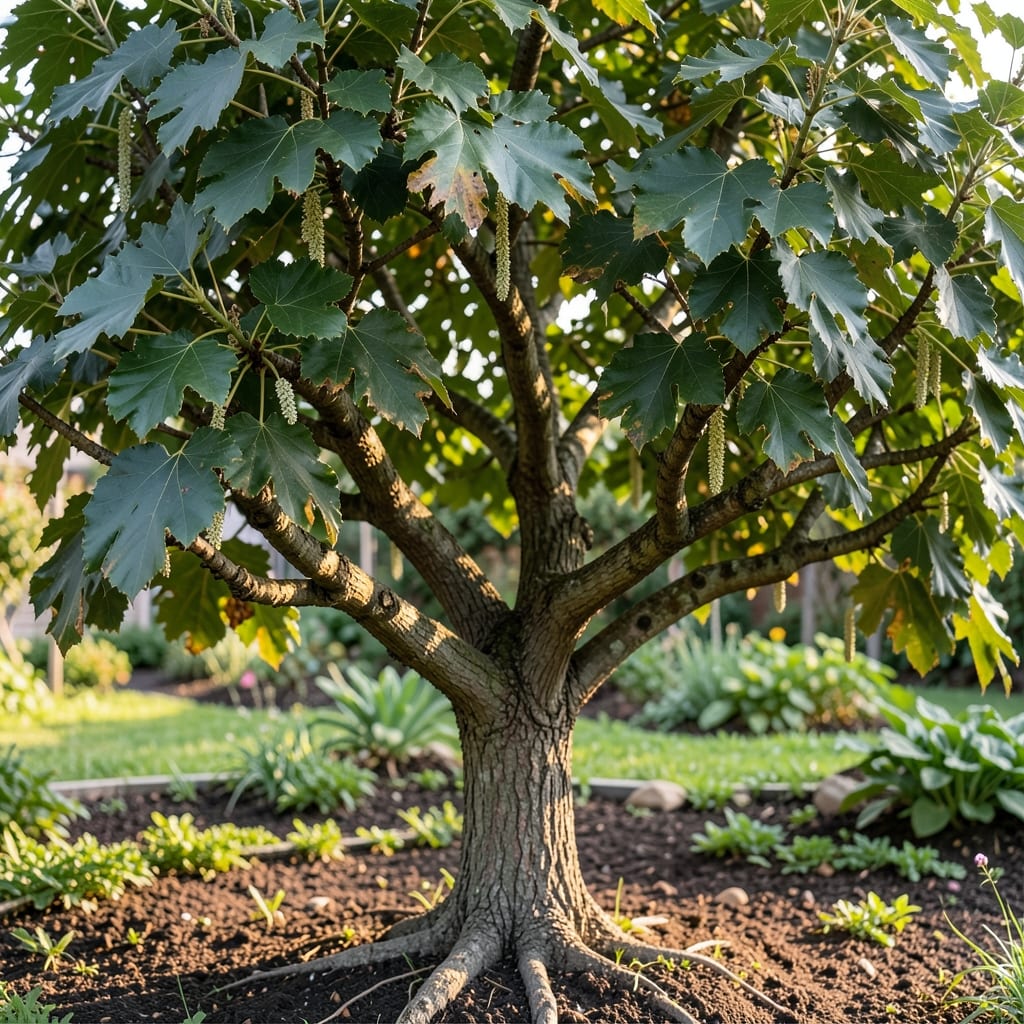
Mulberry leaves are generally safe for humans but can be toxic to pets like dogs and cats, causing vomiting or diarrhea. White mulberry leaves may contain mild hallucinogenic compounds for some animals.
What many don’t realize is that compounds like saponins and tannins in these leaves can trigger adverse reactions in animals. 🔥 I always recommend keeping pets away from mulberry trees, especially during shedding seasons when leaves are most accessible. The effects vary by species, with smaller animals being particularly vulnerable.
💡 In This Article
The primary culprits behind mulberry leaf toxicity are saponins, alkaloids, and tannins. These compounds act as natural defenses against herbivores. Saponins can cause gastrointestinal irritation, while alkaloids may trigger neurological effects in sensitive animals. 🔥
Tannins create bitter tastes that deter consumption but can also induce nausea. White mulberry leaves contain higher concentrations of these compounds than red or black varieties. The toxicity threshold varies by animal size—5-10 grams of leaves may affect a 10-pound dog. ✨
In pets, these compounds disrupt normal digestion by irritating the stomach lining. Cats are particularly sensitive due to their smaller size and different metabolic pathways. The effects typically appear within 2-6 hours of ingestion, starting with vomiting and potentially progressing to lethargy. ⚡
What makes this tricky is that the same compounds that cause problems for pets are what make mulberry leaves beneficial for humans in traditional medicine. The difference lies in dosage and species-specific metabolism. Always keep leaves out of reach of animals. 💫
For livestock, the risk is lower but still present. Goats and sheep can consume small amounts without issue, but larger quantities may cause digestive upset. The leaves’ toxicity decreases as they dry, which is why silage made from mulberry is generally safer. 🌟
Yes, white mulberry leaves contain higher concentrations of saponins and alkaloids. These compounds are more potent in white varieties, making them riskier for pets. Red and black mulberry leaves are generally milder.
Symptoms typically show within 2-6 hours after ingestion. Initial signs include vomiting and diarrhea, which may progress to lethargy. Smaller pets often react faster due to their size.
Goats and sheep can consume small amounts without issue. However, larger quantities may still cause digestive upset. Drying the leaves reduces toxicity, making silage a safer option.
Remove any remaining leaves from their reach immediately. Monitor your pet for 24-48 hours and contact a vet if symptoms like vomiting or lethargy appear.