
Beautiful Plants For Your Interior
Beautiful Plants For Your Interior
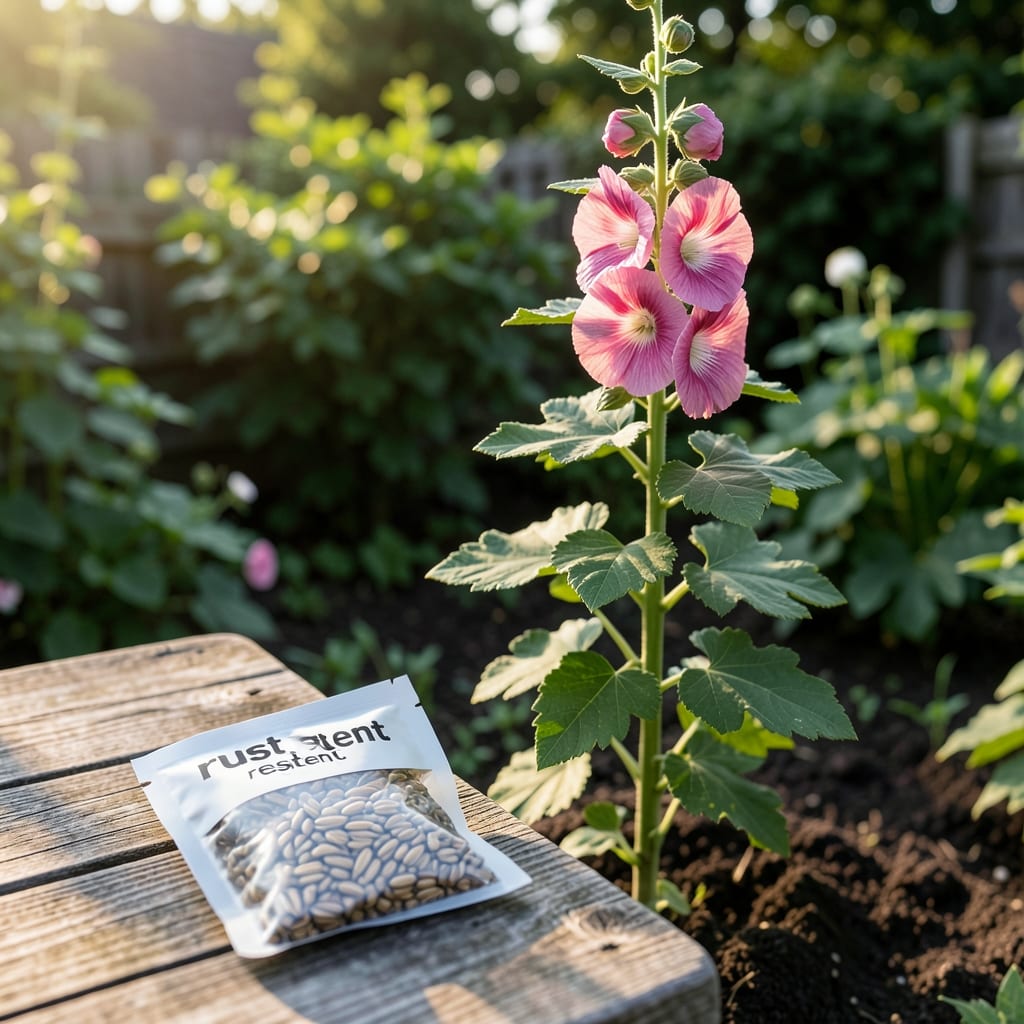
Rust-resistant hollyhock seeds produce plants naturally resistant to the common fungal disease hollyhock rust, ensuring healthier growth and vibrant blooms without chemical treatments.
I’ve seen these seeds transform gardens by preventing the yellow-orange pustules that typically plague hollyhocks. Breeders select for genetic traits that strengthen cell walls against fungal spores, giving your plants a fighting chance even in humid conditions. This natural defense means less work for you and more reliable color in your borders. ✨
What’s especially valuable is how these varieties maintain their vibrant blooms while resisting disease pressures that often shorten a plant’s lifespan. 🌟
💡 In This Article
The genetic defense in rust-resistant hollyhocks stems from thickened cell walls and enhanced cuticle layers that block fungal spores from penetrating leaf tissue. Breeders developed these traits through selective cultivation, prioritizing plants that showed natural immunity to Puccinia malvacearum, the fungus responsible for hollyhock rust.
What happens on a microscopic level is fascinating. The resistant varieties produce antifungal compounds like phenols and terpenoids that inhibit spore germination. These compounds act like a plant’s immune system, attacking pathogens before they can establish colonies. Field tests show resistant plants reduce rust incidence by 70-90% compared to susceptible varieties. 🔥
Modern rust-resistant hollyhocks often trace their lineage to wild Alcea species from the Middle East, where the fungus is endemic. Through careful cross-breeding, horticulturists transferred these native resistances to garden varieties. The process took decades, with each generation selected for stronger defenses and better flower quality.
You’ll notice resistant plants often have slightly different leaf structures too. Many exhibit glossier foliage or waxier surfaces that make it harder for fungal spores to attach. This physical barrier works alongside the chemical defenses, creating a two-pronged protection system that’s remarkably effective. ✨
The resistance isn’t absolute, but it buys crucial time. In wet seasons when rust pressure is highest, resistant varieties may still show some spotting, but the disease progresses 50-70% slower than in non-resistant plants. This gives you more time to implement cultural controls like improving air circulation.
Expect germination in 10-21 days under ideal conditions of 70-75°F soil temperature. Keep soil consistently moist but not waterlogged during this period. Seeds sown directly outdoors may take slightly longer in cooler spring weather.
Rust-resistant seeds significantly reduce the need for chemical treatments. However, during unusually wet seasons, a preventative copper-based fungicide spray can provide extra protection. Always follow label instructions carefully.
Yes, but be aware that saved seeds may not maintain the same level of resistance. For best results, purchase fresh certified resistant seeds annually. If saving, select seeds from the healthiest, most vigorous plants.
Plant seeds 12-18 inches apart initially, then thin to 18-24 inches once seedlings emerge. This spacing ensures good air circulation, which is vital for preventing fungal diseases even in resistant varieties.