
Beautiful Plants For Your Interior
Beautiful Plants For Your Interior
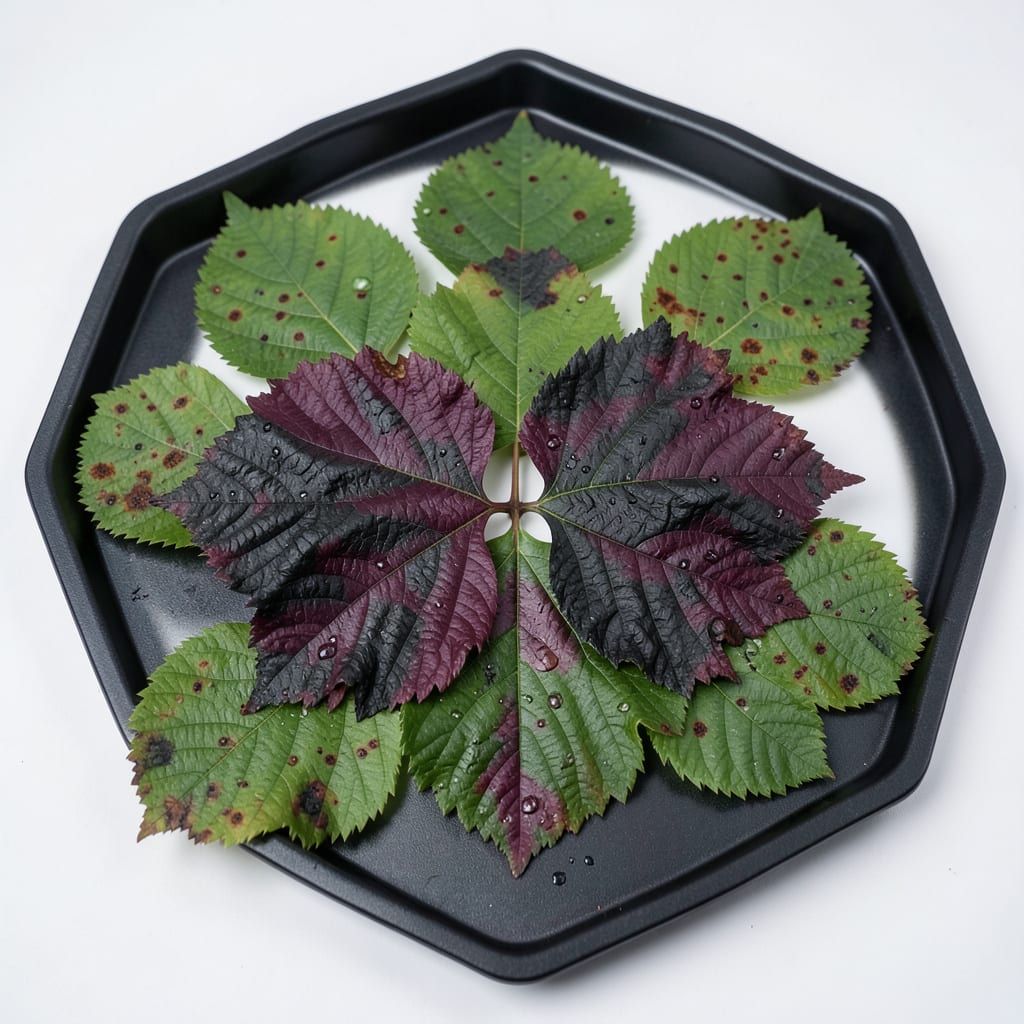
Those brown spots on your mulberry leaves aren’t just ugly—they’re a warning sign. 🌿 I first noticed leaf spot disease in my orchard after a particularly wet spring, and it spread faster than I expected.
This fungal issue thrives in damp conditions, often appearing as dark patches with yellow halos. Left unchecked, it weakens trees and reduces fruit production. The good news? It’s preventable with proper air circulation and simple sanitation.
Natural treatments like neem oil and copper sprays work well when caught early. I’ve had success with weekly applications during the growing season, especially after rain.
Early action saves trees. This approach keeps my mulberries healthy year after year, with minimal effort and no harsh chemicals.
Mulberry leaf spot disease doesn’t appear out of nowhere—it’s fueled by specific environmental and biological factors. Understanding these triggers is the first step toward effective prevention.
Fungal pathogens like Cercospora and Myrothecium thrive in damp conditions. Overhead watering, high humidity, or crowded plantings create the perfect breeding ground. Leaves stay wet for extended periods, allowing spores to germinate and infect tissue. Improving drainage and spacing plants reduces this risk significantly.
Fallen leaves, twigs, or old mulch can harbor overwintering spores. When spring rains splash these spores onto new growth, infection spreads rapidly. Removing and destroying infected plant debris in late fall or early spring breaks this cycle.
Warm days (75–85°F) followed by cool, dewy nights accelerate spore production. These conditions are ideal for fungal growth, especially in dense mulberry groves. Monitoring weather patterns and applying preventive fungicides during high-risk periods can mitigate outbreaks.
Over-fertilization (especially with nitrogen) promotes lush, soft growth that’s more susceptible to infection. Similarly, pruning with unclean tools can spread pathogens between plants. Sanitizing tools and balancing nutrient inputs strengthens plant resilience.
Dealing with mulberry leaf spot disease requires a mix of cultural care, natural remedies, and preventive habits. Below are practical solutions mapped to common causes, along with tips to keep your mulberry trees healthy and spot-free.
Overcrowded branches trap moisture, creating a perfect environment for fungal spores to thrive. Fix it by pruning dense foliage to improve airflow. Space mulberry trees at least 10–15 feet apart when planting. This reduces humidity around leaves and minimizes infection risk.
Prevention tip: 💡 Thin out branches annually in late winter before new growth starts.
Overhead watering or soggy soil invites fungal diseases. Switch to drip irrigation at the base of the tree to keep leaves dry. Water in the early morning so foliage dries quickly in sunlight. Ensure soil drains well—amend clay-heavy soil with compost.
Prevention tip: 🌡️ Use a moisture meter to avoid overwatering; mulberry trees prefer slightly dry conditions over soggy roots.
For active infections, use organic fungicides like neem oil or copper-based sprays. Apply at the first sign of spots, repeating every 7–10 days until the issue clears. Always follow label instructions for dilution and timing.
Prevention tip: ✨ Remove and destroy fallen infected leaves to prevent spores from overwintering in the soil.
A stressed tree is more susceptible to disease. Fertilize lightly in spring with a balanced organic fertilizer to support vigor. Avoid high-nitrogen feeds, which promote tender, disease-prone growth.
Prevention tip: 🎯 Keep the area around the tree free of weeds and debris to reduce competition and pest habitats.
By addressing the root causes and staying proactive, you can manage mulberry leaf spot disease naturally and keep your trees thriving season after season.
Look for dark brown or purple spots with yellow edges on leaves. These often start small but can merge into larger patches. Infected leaves may drop prematurely.
Yes, the fruit remains safe to consume. The disease primarily affects foliage and doesn’t impact fruit quality. Just wash fruit thoroughly before eating.
Removing and destroying spotted leaves helps, but it must be done consistently. Combine this with improved airflow and fungicide treatments for best results.
A baking soda solution (1 tablespoon per gallon of water) can act as a mild preventative spray. However, for established infections, commercial fungicides are more reliable.
