
Beautiful Plants For Your Interior
Beautiful Plants For Your Interior
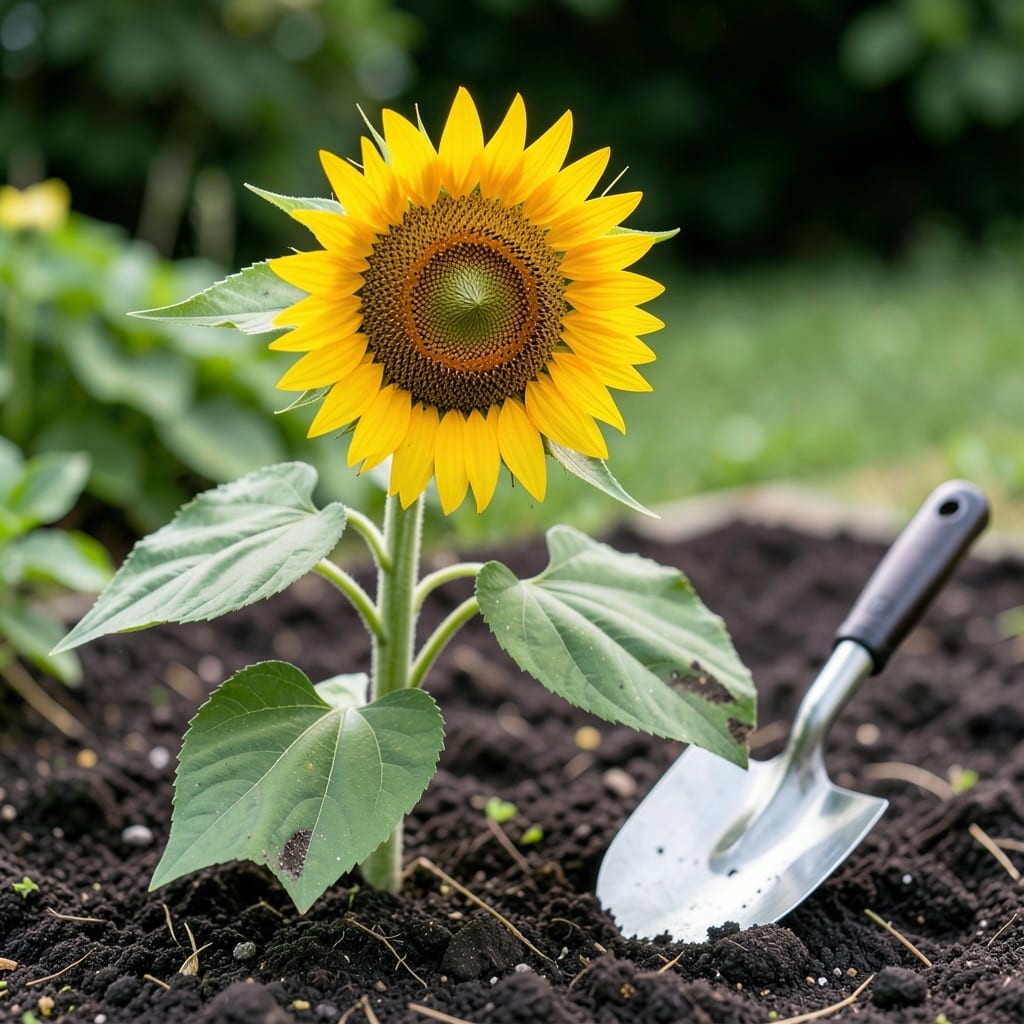
Timing is everything when planting Sunflower 🌻 seeds in Ohio. Plant too early and frost could wipe out your seedlings, but wait too long and you might miss the peak blooming season.
Ohio’s 6a climate means you need to watch both soil temperature and frost dates carefully. Getting this right ensures those vibrant, towering blooms we all love.
I’ve learned through trial and error that April to May offers the sweet spot for most gardeners in the state. The soil warms up just enough while avoiding those late spring cold snaps.
Discover exactly when to plant in your specific part of Ohio and how to prepare your soil for the best results. Let’s make this your most successful sunflower season yet.
In Ohio, timing your sunflower seed planting depends on your region. I always check the last frost date first, as sunflowers hate cold soil. Northern Ohio gardeners should wait until mid-to-late May for safety.
Central Ohio has a slightly longer growing season, so early to mid-May works well. Southern Ohio, with its warmer climate, can start as early as late April. The key is soil temperature—it must be at least 55°F.
| Region | Planting Window | Last Frost Date |
|---|---|---|
| Northern Ohio | Mid-to-late May | May 10-15 |
| Central Ohio | Early to mid-May | April 25-May 5 |
| Southern Ohio | Late April to early May | April 15-20 |
For early varieties of sunflowers, I plant seeds about 2-3 weeks before the last frost date. These mature faster, often in 60-70 days, so they can handle a slightly earlier start. Just ensure the soil isn’t soggy from spring rains.
If you’re growing giant sunflowers, patience is key. These take 80-120 days to mature, so I wait until mid-May in most regions. This gives them enough time to reach their full height before fall frost arrives.
I always use a soil thermometer to check conditions. If the temperature is below 55°F, the seeds may rot or germinate poorly. In Ohio’s unpredictable springs, this tool is a game-changer for timing.
Another tip: succession planting works well in Ohio. I sow a new batch of seeds every 2-3 weeks until early summer. This extends the blooming season and ensures continuous color in my garden.
For dwarf sunflowers, which mature in 50-60 days, I can plant a bit earlier. These are perfect for containers or small spaces and can tolerate slightly cooler soil temperatures.
Remember, Ohio’s clay-heavy soils can stay cold longer. I improve drainage by mixing in compost or sand before planting. This helps the soil warm up faster and gives seeds a better start.
Finally, watch the weather forecast closely. If a late frost is predicted after planting, I cover seedlings with frost cloth or old blankets to protect them. It’s a simple step that can save your sunflower crop.
With these regional guidelines, you’ll time your planting perfectly for vibrant, healthy sunflowers that thrive in Ohio’s climate. 🌻
Preparing your Ohio soil properly is key to growing strong sunflowers. I always start by testing the pH level—sunflowers thrive in 6.0-7.5 range, which is typical for Ohio’s clay or loamy soils.
If your soil is too dense, mix in compost or aged manure to improve drainage. Sunflowers hate waterlogged roots, so this step is non-negotiable for healthy growth. 🌱
For clay-heavy Ohio soils, I recommend adding sand or perlite to break up compacted areas. This helps sunflower roots penetrate deeply for stability.
Don’t skip organic matter—it feeds your sunflowers throughout the growing season. A 2-3 inch layer of compost worked into the topsoil works wonders for vibrant blooms.
If you’re planting in raised beds, ensure the soil mix includes 50% garden soil and 50% compost for optimal growth. This mimics natural conditions while improving drainage.
Finally, water the prepared soil lightly before planting to settle it. This prevents seeds from shifting and ensures good seed-to-soil contact for germination. 🌿