
Beautiful Plants For Your Interior
Beautiful Plants For Your Interior
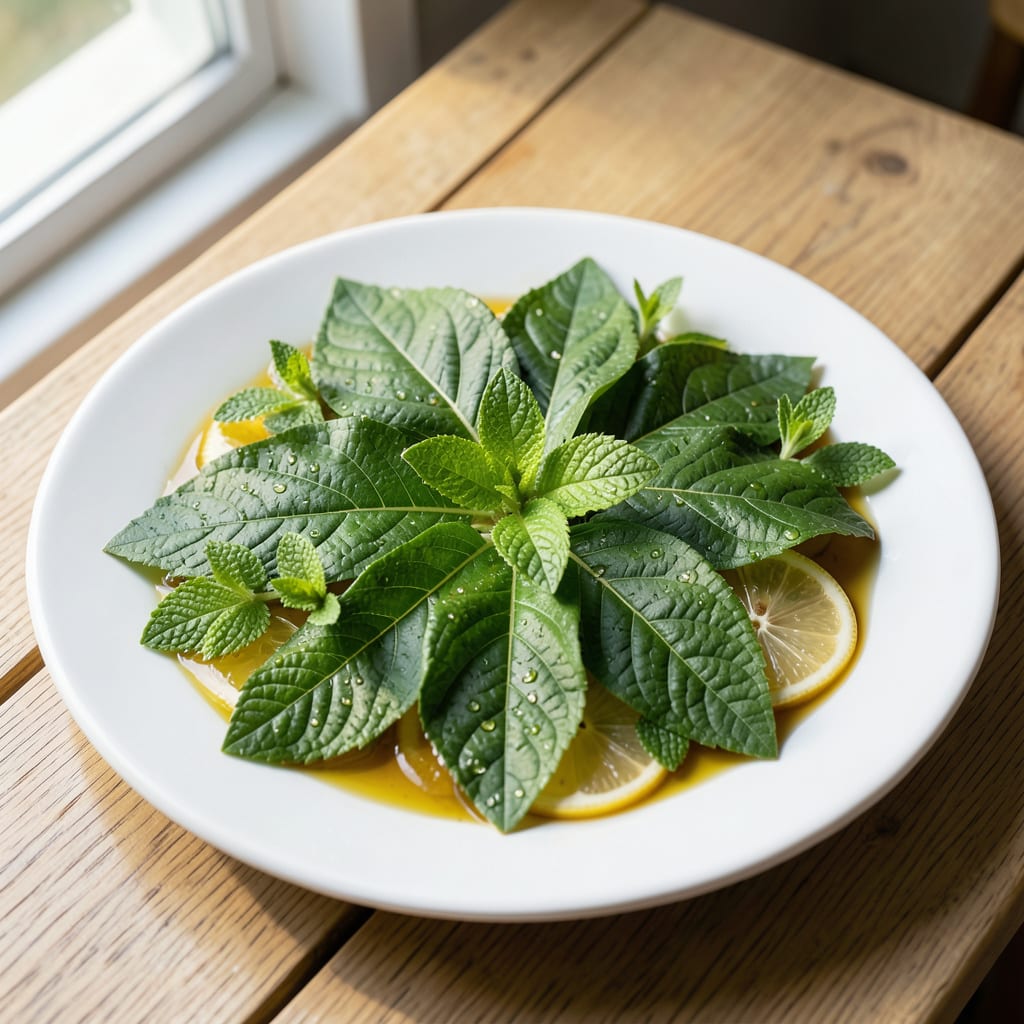
Those brown spots on your leaves aren’t just ugly—they’re spreading. Leaf spot disease sneaks up fast, turning healthy foliage into a polka-dot disaster overnight.
I’ve lost entire crops to this before learning the fix. The key is catching it early and hitting it with the right organic spray before it takes over. Most gardeners wait too long and end up pulling plants.
You’ll see new growth stay clean within 7-10 days of treatment, and the spray doubles as prevention for the rest of the season. No harsh chemicals, just plant-safe solutions.
Works on roses, tomatoes, and ornamentals alike. Here’s how to mix and apply it before it’s too late.
Leaf spot disease doesn’t appear out of thin air—it’s usually the result of specific environmental and biological triggers. Understanding these causes can help you prevent and address the issue more effectively. Below are the most common culprits behind those unsightly spots on your plants.
Fungi like Alternaria, Cercospora, and Septoria are primary offenders. These microscopic organisms thrive in warm, humid conditions and spread through spores carried by wind, water, or contaminated tools. Overhead watering, poor air circulation, and crowded plantings create the perfect breeding ground for fungal growth.
Bacteria such as Xanthomonas and Pseudomonas can also cause leaf spots. They enter plants through wounds, stomata, or wet foliage, often introduced via rain, irrigation, or pruning tools. Unlike fungal spots, bacterial leaf spots may appear water-soaked or have a yellow halo, and they can spread rapidly in wet conditions.
While pathogens are the direct cause, environmental stress weakens plants, making them more susceptible. Excessive moisture from overwatering or high humidity is a major factor. Poor soil drainage, lack of sunlight, and nutrient deficiencies (especially calcium or potassium) can also compromise a plant’s natural defenses, leaving it vulnerable to infection.
Insects like aphids, mites, and whiteflies can create entry points for pathogens by piercing leaf tissue. Their feeding wounds provide an open door for fungi and bacteria to invade. Additionally, some pests, like leafhoppers, can transmit bacterial pathogens directly as they move from plant to plant.
Leaf spot diseases can be frustrating, but they’re manageable with the right approach. Below are targeted solutions for common causes, along with prevention tips to keep your plants healthy long-term.
For fungal leaf spots, neem oil or copper-based sprays work wonders. Mix 1 tablespoon of neem oil with a gallon of water and a few drops of dish soap, then spray affected leaves thoroughly. Repeat every 7–10 days until the spots fade. Prevention tip: Improve air circulation by spacing plants properly and watering at the base to avoid wet foliage. 💡
Bacterial leaf spots often appear as water-soaked or yellow halos. Remove infected leaves immediately with clean, sharp shears and dispose of them in the trash (not compost). Disinfect tools with rubbing alcohol between cuts. Prevention tip: Avoid overhead watering and use drip irrigation to reduce moisture on leaves. ✨
Pests like aphids or mites can create entry points for disease. Blend 1 teaspoon of mild soap with a quart of water and spray to deter them. For severe infestations, introduce beneficial insects like ladybugs. Prevention tip: Inspect plants weekly for early signs of pests. 🎯
Overwatering, poor drainage, or nutrient deficiencies can weaken plants. Check soil moisture before watering—stick your finger an inch into the soil. If it’s dry, water deeply; if damp, wait. Prevention tip: Use mulch to retain moisture evenly and add compost for nutrients. 🌡️
Consistency is key—combine treatments with prevention for the best results!
Apply every 7-10 days for active infections, or every 2-3 weeks as prevention. Consistency is key to stopping fungal spread.
No. Bacterial spots require pruning and sanitation, while fungal spots need fungicide. Using the wrong method can worsen the problem.
Early morning or late evening to avoid leaf burn. Avoid spraying in direct sunlight or extreme heat.
Check for poor air circulation or overhead watering. Environmental fixes are just as important as sprays.
