
Beautiful Plants For Your Interior
Beautiful Plants For Your Interior
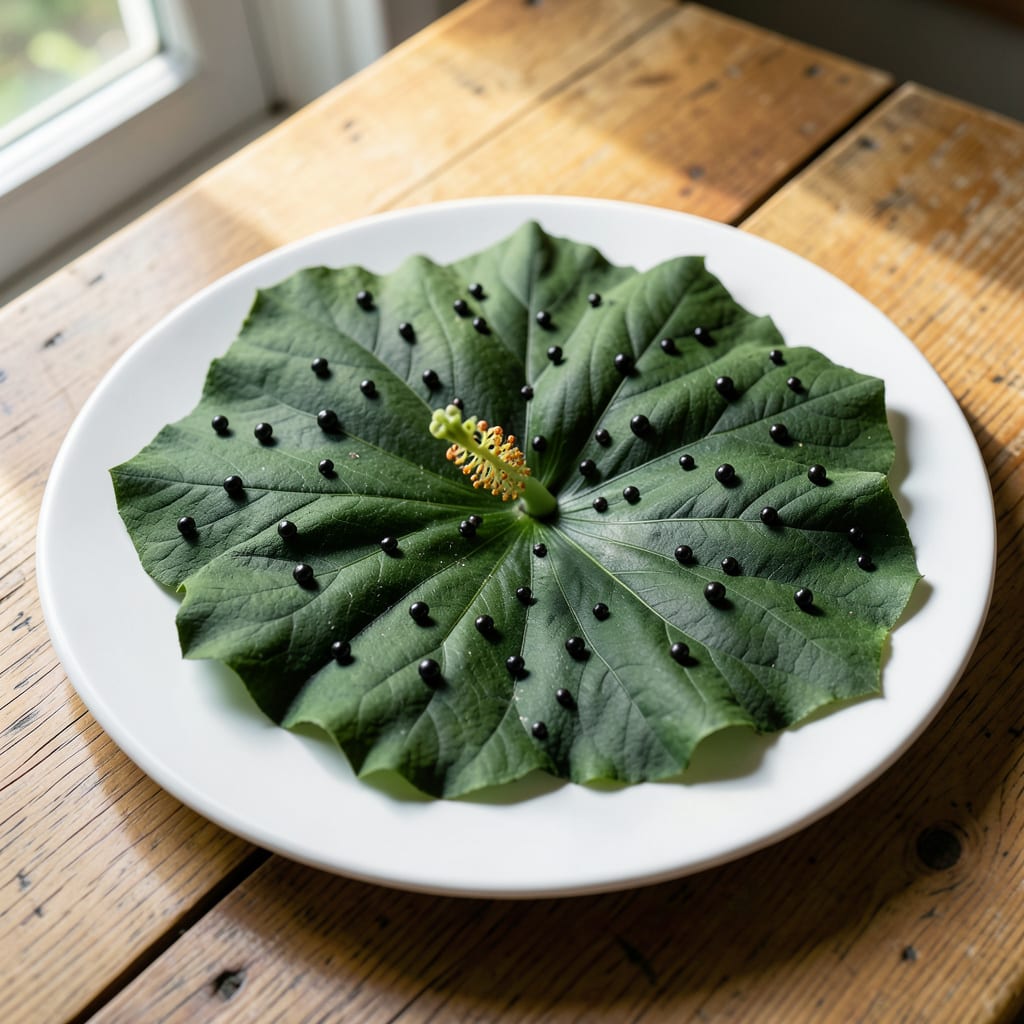
Those black dots on your hibiscus aren’t just unsightly—they’re a warning sign. I’ve seen entire plants defoliate overnight because the cause went untreated too long.
Most often, it’s fungal—sooty mold or leaf spot—but aphids and scale insects can create similar damage. The good news? Early action saves your plant. I caught mine just in time with a simple spray solution.
You’ll learn to distinguish between fungal spores and pest waste, then tackle the root issue. Hibiscus bounce back fast when you use the right approach for your specific problem.
Works for potted plants, garden shrubs, and even tropical varieties. Let’s get your hibiscus healthy again.
Those unsightly black dots on your hibiscus leaves usually signal an underlying issue that needs attention. Here are the most common causes, explained clearly so you can take action.
Fungi like Cercospora or Phyllosticta thrive in warm, humid conditions, producing dark, circular lesions. These pathogens spread via water splashes or contaminated tools, attacking stressed plants first. Check for: Tiny dark spots with yellow halos, often on lower leaves where moisture lingers.
Sap-sucking pests such as aphids, whiteflies, or scale insects leave behind sticky honeydew, which grows sooty mold—a black, fungal coating. Meanwhile, spider mites cause stippling that can darken into dots. Look for: Visible bugs, webbing, or a dusty black film on leaf surfaces.
Overwatering or poor drainage creates a damp environment perfect for fungal growth. Conversely, drought stress weakens the plant, making it more susceptible to infections. Signs: Wilting, yellowing, or black spots concentrated near waterlogged soil or dry, crispy edges.
Overuse of pesticides or herbicides can burn leaf tissue, causing dark, necrotic spots. Even foliar fertilizers applied in direct sunlight may lead to localized damage. Clues: Spots appear shortly after treatment, often in patterns matching spray coverage.
If your hibiscus leaves are spotted with black dots, don’t despair—here’s how to fix the most common causes and keep your plant thriving.
Fix: Start by removing all affected leaves and dispose of them in the trash (not compost). Apply a copper-based fungicide or a homemade mix of 1 tsp baking soda + 1 quart water + a few drops of dish soap. Spray every 7–10 days until the dots disappear. Improve airflow around the plant by pruning dense foliage.
Prevention: Water at the base—never overhead—to keep leaves dry. Space plants properly and clean up fallen debris regularly. 💡 Pro tip: Water in the morning so foliage dries quickly in the sun.
Fix: Blast pests off with a strong stream of water. For stubborn bugs, use neem oil or insecticidal soap (apply in the evening to avoid sunburn). Repeat every 5–7 days until pests are gone.
Prevention: Inspect leaves weekly, especially the undersides. Introduce beneficial insects like ladybugs or lacewings to your garden. ✨ Bonus: A layer of mulch can deter some pests while retaining moisture.
Fix: If overwatering is the issue, let the soil dry out slightly between waterings. For nutrient deficiencies, use a balanced fertilizer (10-10-10) or a hibiscus-specific formula. If the soil is compacted, loosen it gently and add organic matter.
Prevention: Test soil drainage before planting. Use well-draining potting mix for container-grown hibiscus. 🎯 Remember: Hibiscus loves sunlight—ensure it gets at least 6 hours daily.
Yes, fungal spores and pests can jump to nearby plants. Isolate affected hibiscus and avoid water splashing between plants.
With proper treatment, new growth should emerge spot-free within 2-3 weeks. Severely damaged leaves won’t recover but can be removed.
Yes, but spray in the evening and avoid buds. Neem is organic but can harm bees if applied during daytime.
Rinse leaves immediately with water. Next time, use half-strength fertilizer and apply to soil only, never foliage.
