
Beautiful Plants For Your Interior
Beautiful Plants For Your Interior
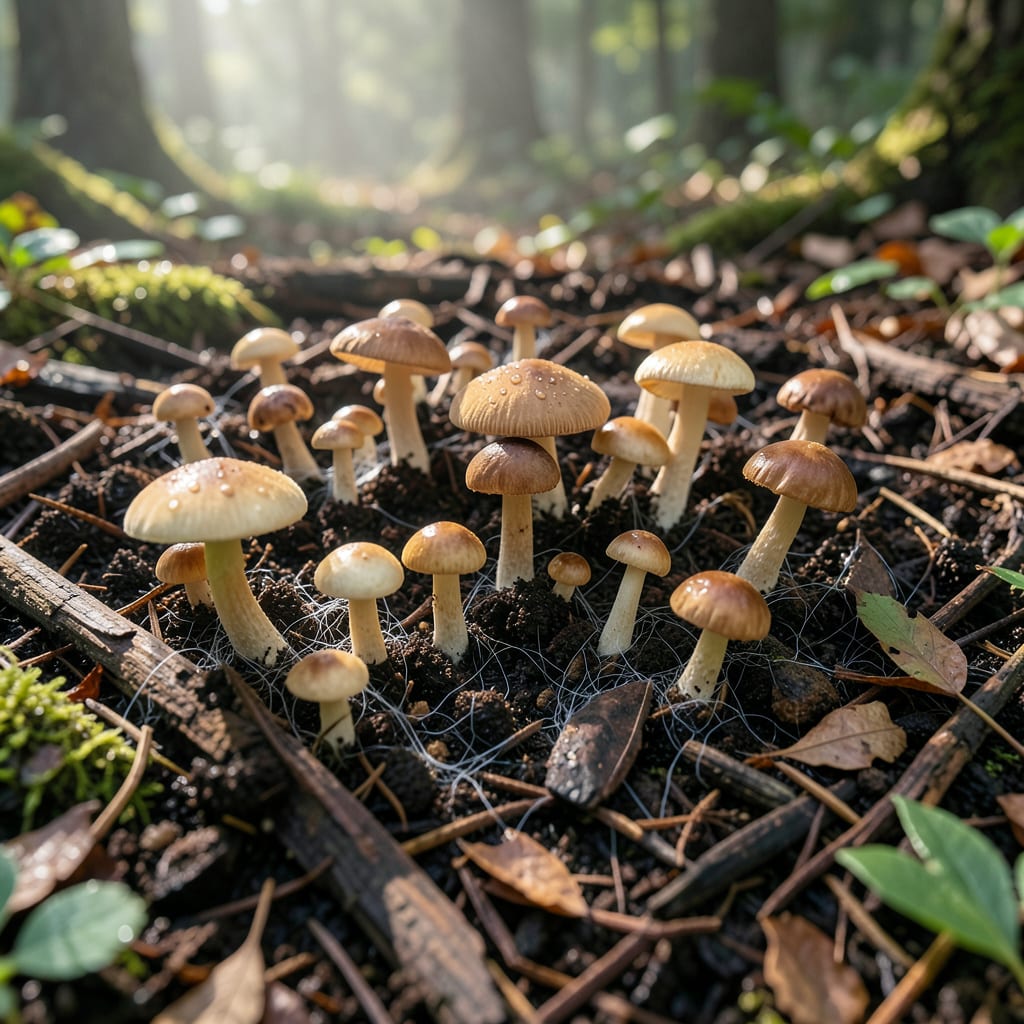
That white stuff in your mulch isn’t snow. 🌱 I first noticed it last spring—fuzzy growth spreading fast, looking like someone sprinkled cotton balls across my flower beds.
Turns out, mulch fungus loves damp, dark conditions. It’s harmless to plants but looks terrible and can spread spores. The fix starts with understanding what’s feeding it and how to break that cycle.
You’ll learn to spot the different types, from slime molds to artillery fungus. Each needs a slightly different approach, but all respond to better airflow and drier conditions.
Works for any mulch type, in any climate. Here’s how to clean it up without chemicals and keep it from coming back.
Fungus thrives in mulch beds due to a combination of environmental and material factors. Understanding these causes helps you prevent outbreaks before they start.
Mulch retains water by design, but overwatering or poor drainage creates a damp, oxygen-deprived environment where fungi like Sclerotium rolfsii (white mold) or Stropharia (garden giant mushroom) flourish. Organic mulches (e.g., wood chips, straw) absorb and hold moisture longer than inorganic types, accelerating decomposition—and fungal colonization.
Fresh wood-based mulches (e.g., bark, cedar) are carbon-rich but nitrogen-poor. As microbes break down the material, they compete with plants for nitrogen, creating an imbalance that favors fungal growth. This is why “sour mulch” (anaerobically decomposed mulch) often develops a white or gray fungal mat.
Fungi reproduce via spores that germinate in temperatures between 70–90°F (21–32°C) with high humidity. Mulch beds in shaded areas or during rainy seasons are prime targets. Species like Pythium (damping-off fungus) or Mucor (common mold) spread rapidly in these conditions.
Actionable tip: Space mulch layers to allow airflow, and avoid piling it against plant stems.
Fungus in your mulch beds can be unsightly and harmful to your plants, but these practical solutions will help you restore balance. Address each issue with targeted fixes and prevention tips to keep your garden thriving.
Fungus thrives in damp conditions, so start by reducing watering frequency and ensuring your mulch beds have proper drainage. Water deeply but less often, allowing the top layer of mulch to dry between sessions. Prevention tip: 💡 Use a moisture meter to check soil hydration before watering, and amend heavy clay soils with compost to improve drainage.
Mulch piled too thickly traps moisture and blocks airflow, creating a fungal paradise. Rake the mulch to a depth of 2–3 inches, and use a garden fork to aerate the underlying soil. This improves air circulation and discourages fungal growth. Prevention tip: ✨ Reapply mulch annually in thin layers to avoid buildup.
If the mulch is old, moldy, or smelling sour, it’s time for a refresh. Remove the affected mulch and replace it with fresh, high-quality organic material like shredded bark or wood chips. Avoid using mulch that was stored improperly or shows signs of decay. Prevention tip: 🎯 Store mulch in a dry, ventilated area before use to prevent contamination.
Shady, damp spots are prime for fungal growth. Trim nearby shrubs or trees to allow more sunlight and airflow into the area. For persistent shade, consider switching to fungus-resistant mulches like cedar or pine bark. Prevention tip: 🌡️ Rotate mulch in shaded areas more frequently to keep it dry.
For visible fungus, remove it manually (wear gloves!) and treat the area with a natural fungicide. A mixture of 1 part vinegar to 4 parts water can help kill spores—spray lightly and avoid drenching the soil. Prevention tip: 🔥 Apply neem oil or cornmeal (a natural antifungal) to the mulch surface every few months.
Most mulch fungi are harmless, but some can cause skin irritation. Always wear gloves when handling it to avoid potential rashes or allergic reactions.
Replace organic mulch annually and refresh thin layers every 6 months. This prevents buildup and reduces fungal growth. Store new mulch in a dry area before use.
Yes, a light dusting of baking soda can help neutralize fungus. Mix 1 tablespoon with 1 gallon of water and spray lightly on affected areas. Avoid overuse, as it may alter soil pH.
Most fungi won’t directly damage plants, but some types can compete for nutrients or spread to plant roots. Remove visible fungus and improve airflow to protect your garden.
