
Beautiful Plants For Your Interior
Beautiful Plants For Your Interior
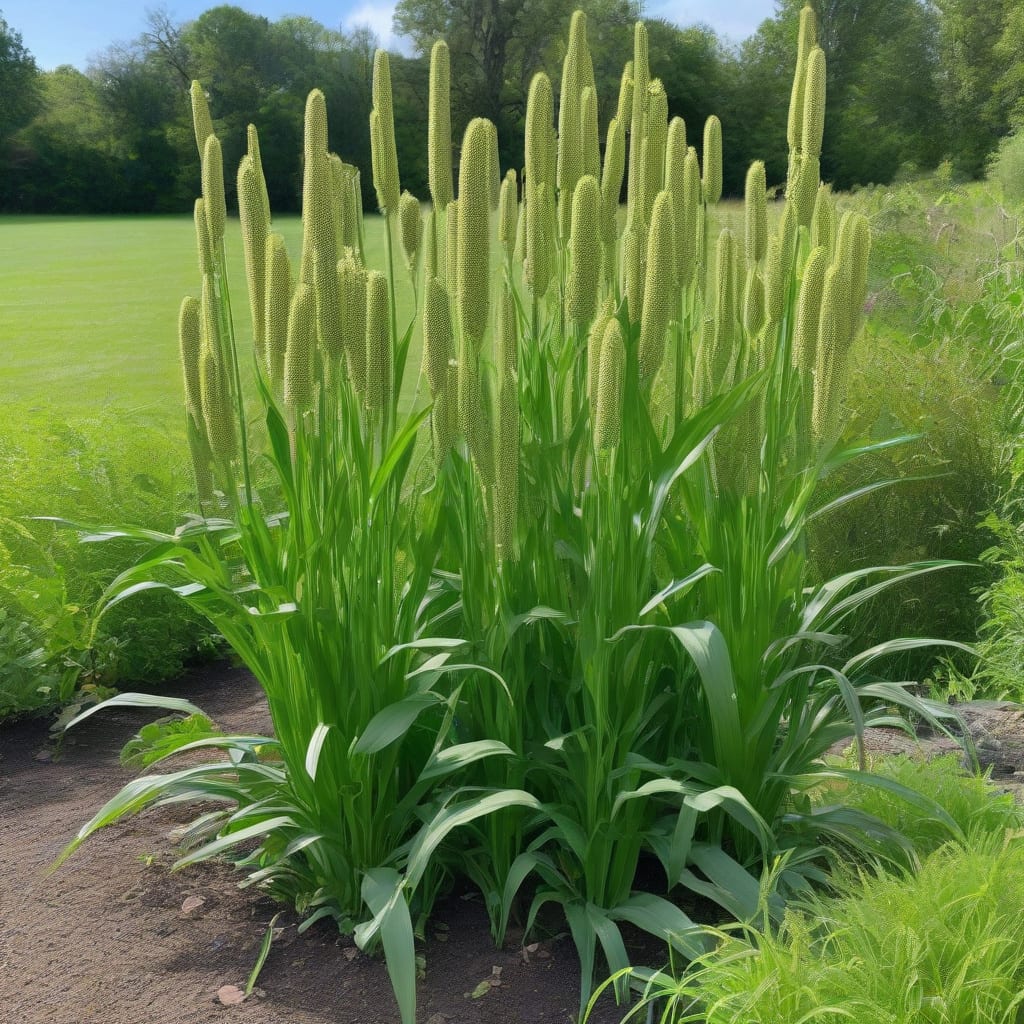
When planning your garden layout, understanding how tall your crops will grow is essential. Millet 🌾, a versatile and nutritious crop, can reach varying heights depending on several factors. Knowing its potential height helps with proper spacing and crop management.
Millet typically grows between 2 to 6 feet tall, making it a great option for gardeners in USDA Zone 6. By understanding the factors that influence its height, you can optimize growing conditions for a successful harvest.

Understanding the factors that influence millet height is crucial for gardeners to optimize their crop’s growth. Several key elements affect how tall millet grows, including the variety of millet, soil quality, and environmental conditions 🌾.
The height of millet plants can vary significantly based on the specific variety being grown. Different types of millet, such as pearl millet, proso millet, and finger millet, have distinct growth characteristics that influence their final height.
Millet generally thrives in well-drained soil with adequate nutrients. Soil quality plays a significant role in determining the plant’s height, as nutrient-rich soil supports healthier growth 🌱.
Environmental factors such as sunlight exposure and watering practices also impact millet height. Millet requires full sun to grow optimally, meaning it needs at least 6 hours of direct sunlight daily.
Adequate watering is another critical factor. Millet prefers consistent moisture, especially during its early growth stages. However, it’s also relatively drought-tolerant once established.
The specific millet variety being grown is perhaps the most significant factor in determining height. Different varieties have been bred for various characteristics, including size, yield, and resistance to pests and diseases.
For example, pearl millet is known for its tall stalks, often reaching heights of up to 6 feet or more in ideal conditions. In contrast, some varieties of proso millet tend to be shorter, typically growing 2 to 3 feet tall.
Understanding these factors helps gardeners make informed decisions about which millet variety to grow and how to manage their crop for optimal height and yield 🌿.
By considering the variety of millet, soil quality, and environmental conditions, gardeners can better predict and manage the height of their millet plants, ensuring a successful and productive harvest.
Each of these factors contributes to the overall health and productivity of the millet crop, making it essential to monitor and adjust growing conditions accordingly.
Effective management of millet height not only improves crop yields but also helps in planning garden layouts and crop rotations.
Overall, millet is a versatile crop that can thrive in various conditions, making it a valuable addition to many gardens 🌾.
Understanding the average height range of different millet varieties is essential for gardeners to plan their crop layout effectively. Millet comes in several varieties, each with its unique growth characteristics 🌾.
The height of millet plants can vary significantly based on the specific variety being grown. Different types of millet, such as pearl millet, proso millet, and finger millet, have distinct growth patterns that influence their final height.
The height range of millet varieties is influenced by factors such as soil quality, environmental conditions, and specific cultivar characteristics. Gardeners should consider these factors when selecting a millet variety to grow 🌿.
By understanding the typical height range of different millet varieties, gardeners can make informed decisions about crop spacing and management practices. This knowledge helps optimize growing conditions and ensures a successful harvest 🌾.
Different millet varieties offer flexibility for gardeners with varying needs and preferences. Whether you’re looking for tall, robust plants or shorter, more compact varieties, there’s a millet type that can suit your garden’s requirements 🌱.
Key considerations when choosing a millet variety include the available growing space, desired yield, and local climate conditions. These factors will help determine the most appropriate millet variety for your specific gardening needs.
Ultimately, understanding the average height range of different millet varieties empowers gardeners to plan and manage their crops more effectively, leading to a more productive and enjoyable gardening experience.
Effective management of millet height is crucial for maximizing crop yield and ensuring a successful harvest. By implementing proper spacing, soil preparation, and care practices, gardeners can optimize millet growth and achieve desired plant heights 🌾.
For optimal millet height, maintain consistent moisture during early growth stages and ensure full sun exposure with at least 6 hours of direct sunlight daily.
Proper spacing is essential for managing millet height. Planting seeds 6-8 inches apart allows for adequate air circulation and sunlight penetration, promoting healthy growth and preventing overcrowding 🌱.
Soil preparation plays a significant role in determining millet height. Ensuring the soil is well-drained and rich in organic matter supports robust plant growth. Adding compost or well-rotted manure can enhance soil fertility and structure.
Regular watering is crucial during the early stages of millet growth. Maintaining consistent moisture helps establish a strong root system, which in turn supports taller, healthier plants. However, millet is relatively drought-tolerant once established.
Full sun exposure is another critical factor for optimizing millet height. Millet requires at least 6 hours of direct sunlight daily to grow optimally. Ensuring your millet crop receives sufficient sunlight will promote taller, more vigorous plants 🌞.
By following these tips and maintaining optimal growing conditions, gardeners can effectively manage millet height and achieve a bountiful harvest 🌾.
