
Beautiful Plants For Your Interior
Beautiful Plants For Your Interior
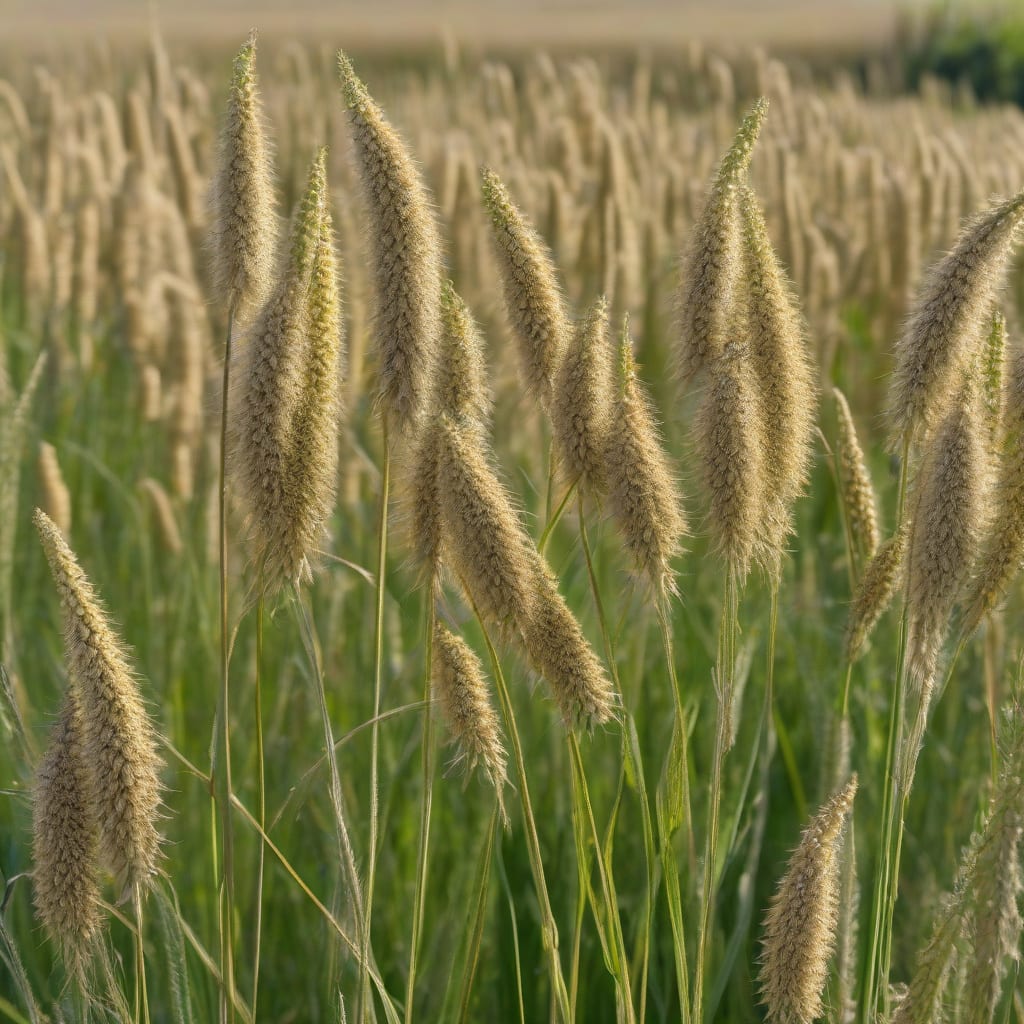
When growing Brown Top Millet 🌾 in your garden, understanding its height potential is crucial for effective planning. Typically grown in USDA Zone 6, this versatile cover crop can reach varying heights depending on conditions.
I’ve found that knowing the expected mature height helps with garden management. Let’s explore the factors that influence Brown Top Millet’s growth and how tall it can actually grow in optimal conditions.


Brown Top Millet is known for its rapid growth and can reach varying heights depending on the growing conditions. The typical height range for this crop is between 2 to 4 feet, making it a versatile option for different garden setups 🌾.
I have found that the average mature height of Brown Top Millet is around 3 feet, which is ideal for many gardeners looking for a cover crop that isn’t too tall. The height can vary based on factors such as soil quality, watering practices, and sunlight exposure.
The height of Brown Top Millet is influenced by several factors, including soil fertility, moisture levels, and planting density. In optimal conditions, with adequate sunlight and proper watering, Brown Top Millet can reach its maximum height potential 🔥.
It’s worth noting that Brown Top Millet is generally considered a small to medium-sized crop, making it suitable for a variety of garden configurations. Its height can be managed through mowing strategies and planting density to suit specific garden needs 🌱.
For gardeners who are looking to manage the height of their Brown Top Millet, understanding these factors can help in making informed decisions about planting density and growth management strategies. This knowledge can be particularly useful in maintaining a balanced garden ecosystem 🌿.
By recognizing the typical height range and the factors that influence it, gardeners can better plan their garden layout and management practices. This ensures that the Brown Top Millet serves its intended purpose as a cover crop, whether for soil erosion control, weed suppression, or wildlife habitat 🌾.
Overall, Brown Top Millet is a flexible and valuable addition to many gardens, offering numerous benefits while being relatively easy to manage. Its height, while variable, is generally within a range that is easy for most gardeners to work with 💪.
In conclusion, understanding the height potential of Brown Top Millet is an important aspect of garden planning. By considering the factors that affect its growth and being aware of its typical height range, gardeners can make the most of this versatile cover crop 🌼.
The height of Brown Top Millet is influenced by several key factors that gardeners should consider when planning their garden. Understanding these factors can help in optimizing the growth and managing the height of this versatile cover crop 🌾.
Environmental factors play a significant role in determining the height of Brown Top Millet. These include temperature, sunlight exposure, and moisture levels. The crop thrives in warm temperatures and full sun, typically requiring 6+ hours of direct sunlight daily 🔥.
By managing these factors, gardeners can influence the height of Brown Top Millet to suit their specific garden needs. For example, adjusting planting density can help control the overall height and promote a more uniform stand 🌱.
Soil quality is another critical factor that affects the height of Brown Top Millet. The crop prefers well-draining soil with adequate fertility. Ensuring that the soil is rich in necessary nutrients can support healthy growth and help the crop reach its maximum height potential 🌿.
In addition to soil quality, watering practices significantly impact the height development of Brown Top Millet. Consistent moisture, especially during the early growth stages, is crucial for establishing a strong root system and promoting vigorous growth 💧.
Finally, sunlight exposure is essential for the optimal growth of Brown Top Millet. The crop thrives in full sun conditions, and adequate sunlight directly contributes to its height potential. Gardeners should ensure that their Brown Top Millet receives sufficient sunlight to achieve the desired height 🌞.
By understanding and managing these factors, gardeners can effectively control the height of Brown Top Millet and optimize its growth for various garden applications 🌼.
Effective management of Brown Top Millet height is crucial for achieving optimal garden performance. By understanding how to control the height, gardeners can ensure that their cover crop serves its intended purpose without overshadowing other plants 🌾.
I recommend adjusting planting density as a primary strategy for managing height. Proper spacing between seeds can prevent overcrowding, promote uniform growth, and help maintain a desired height. For Brown Top Millet, a spacing of about 6-8 inches between seeds is typically recommended 🌱.
For optimal height management, consider mowing your Brown Top Millet when it reaches 12-18 inches in height. This encourages dense growth and prevents the crop from becoming too leggy 🔥.
Mowing strategies are another effective way to control the height of Brown Top Millet. Regular mowing not only keeps the crop at a manageable height but also promotes thicker growth by encouraging the plant to tiller. It’s best to mow when the millet is still relatively young and vigorous 🌿.
In addition to mowing and planting density, growth management techniques such as fertilization and irrigation can also impact the height of Brown Top Millet. Ensuring that the crop receives adequate nutrients and water can support healthy growth and help achieve the desired height 💧.
By combining these strategies, gardeners can effectively manage the height of their Brown Top Millet and optimize its performance in the garden. Whether the goal is to provide ground cover, suppress weeds, or create wildlife habitat, proper height management is key to achieving success 🌼.
Overall, managing the height of Brown Top Millet requires a combination of proper planting practices, mowing strategies, and growth management techniques. By understanding and implementing these strategies, gardeners can make the most of this versatile cover crop 🌾.
