
Beautiful Plants For Your Interior
Beautiful Plants For Your Interior
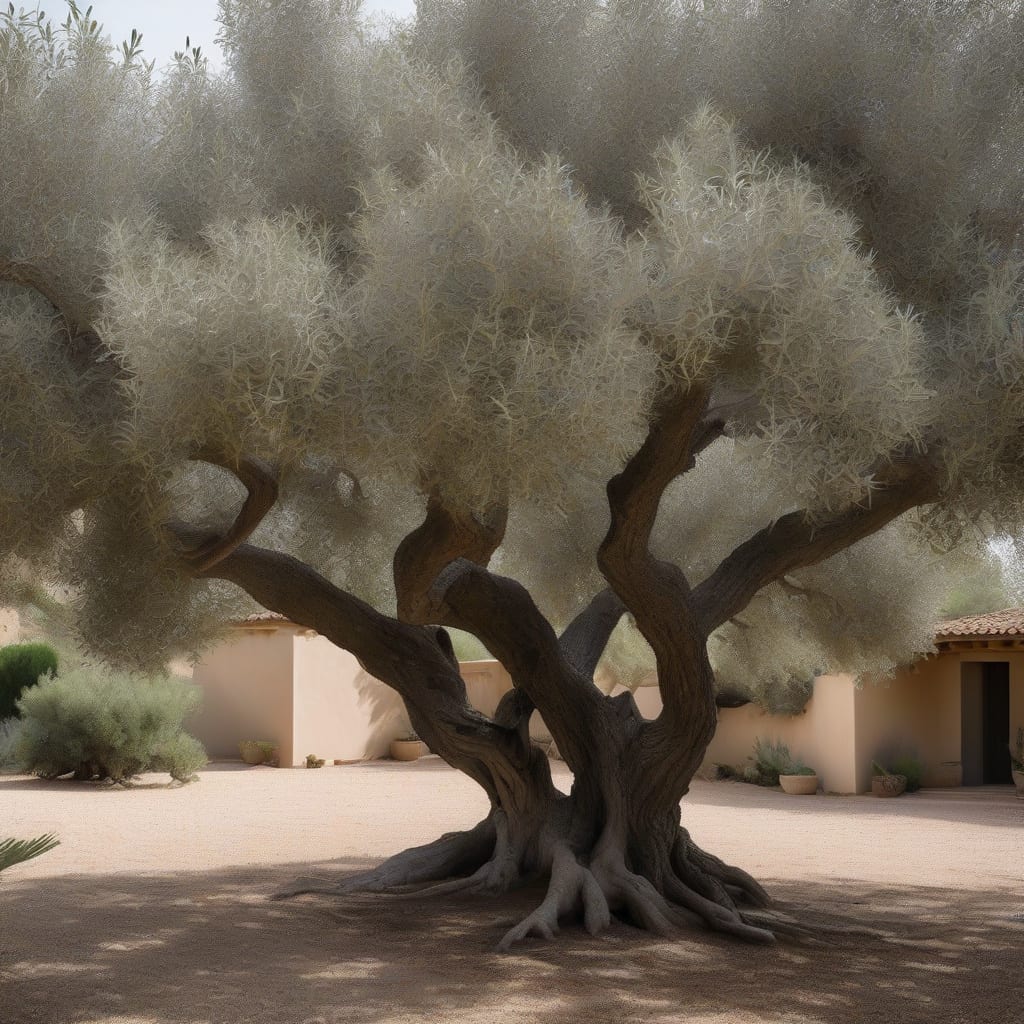
I’ve always been fascinated by the majestic Olive Tree 🫒 and its impressive growth potential. Understanding how tall these trees can grow is crucial for effective garden planning, especially when considering their mature height can range between 15-30 feet.
Whether you’re growing in USDA Zone 6 or a warmer climate, factors like soil quality, pruning practices, and variety selection all play a role in determining your Olive Tree’s ultimate height. Let’s explore these elements to help you make informed decisions for your garden.
I’ve found that several key factors influence how tall olive trees can grow. The variety of olive tree is perhaps the most significant factor, as different types have distinct growth patterns and maximum heights. For instance, dwarf varieties typically reach heights of 8-12 feet, while standard trees can grow much taller 🌳.
Climate and soil conditions also play crucial roles in determining olive tree height. Olive trees thrive in full sun and well-draining soil, which can support healthier growth and potentially greater height. In areas with poor soil quality or inadequate sunlight, olive trees may not reach their full growth potential 🌱.
Maintenance practices, such as pruning, significantly affect olive tree height. Regular pruning not only helps control the tree’s height but also encourages a bushier growth pattern, which can be beneficial for fruit production and overall tree health 🌿.
Understanding these factors is essential for gardeners who wish to cultivate olive trees effectively. By considering the variety, climate, soil conditions, and maintenance practices, gardeners can better predict and manage the height of their olive trees 🫒.
The specific growing conditions also impact olive tree height. For example, olive trees grown in containers may have different height potential compared to those planted directly in the ground. Container-grown trees often require more frequent watering and fertilization, which can influence their growth rate 📦.
In regions with harsh winters, olive trees may need protection or special care to survive, which can indirectly affect their height. In USDA Zone 6, for instance, olive trees may need to be brought indoors or protected during the winter months to prevent damage ❄️.
The age of the olive tree is another factor to consider. Younger trees typically grow more rapidly than older, established trees. As olive trees mature, their growth rate slows, and they may eventually reach a stable height 🌳.
Soil pH is also a critical factor. Olive trees prefer slightly acidic to neutral soil pH, ranging from 6.0 to 8.0. Soil that is too alkaline or too acidic can stress the tree, potentially limiting its growth 📊.
Nutrient availability is closely linked to soil quality. Olive trees benefit from balanced fertilization, particularly during the growing season. A 10-10-10 NPK fertilizer applied every 6-8 weeks can support healthy growth and development 🌼.
Finally, the overall health of the olive tree impacts its height. Trees that are free from pests and diseases and receive adequate care are more likely to reach their full height potential. Regular monitoring and appropriate interventions can help maintain tree health 🐜.
By understanding and managing these factors, gardeners can optimize the growth and height of their olive trees, ensuring they thrive in their garden or landscape 🌟.
Olive trees come in various types, each with its unique growth characteristics and maximum height potential. Understanding these differences is essential for gardeners to choose the right variety for their space and needs 🌳.
The height of olive trees can vary significantly based on their variety. Some olive trees are naturally more compact, while others can grow quite tall. Let’s explore the different types and their growth potential 🫒.
The Dwarf Olive Tree is ideal for smaller gardens or container growing. It typically reaches heights of 8-12 feet and has a compact growth habit, making it perfect for limited spaces 🌿.
Semi-Dwarf Olive Trees offer a balance between size and fruit production. They grow to be around 12-18 feet tall and have a moderate growth rate, making them suitable for a variety of garden sizes 🌻.
Standard Olive Trees are the largest, reaching heights of 20-30 feet. They have a vigorous growth rate and develop a larger canopy, which can provide significant shade and ornamental value 🌳.
When selecting an olive tree variety, it’s crucial to consider the mature height to ensure it fits within your available space and meets your landscaping goals 🏠.
Different olive tree varieties not only vary in height but also in their fruit characteristics, growth habits, and environmental tolerances. Choosing the right variety can significantly impact your gardening experience and success 🥗.
I always emphasize the importance of proper pruning and care when managing olive tree height. Regular maintenance not only controls the tree’s size but also promotes healthier growth and better fruit production 🌳.
Pruning is a critical aspect of olive tree care. By pruning your tree annually, you can maintain its desired height and shape while encouraging fruiting. The best time to prune olive trees is during their dormant season, typically in late winter or early spring 🌻.
Start by removing any dead, diseased, or damaged branches to prevent the spread of disease and encourage healthy growth.
Thin out the center of the tree to allow more sunlight to penetrate and improve air circulation, which helps reduce the risk of disease.
Shape the tree by cutting back branches that are growing too tall or out of place. This helps maintain the desired height and promotes a balanced structure.
In addition to pruning, proper care practices are essential for managing olive tree height. This includes providing adequate water and nutrients. Olive trees prefer well-draining soil and should be watered deeply but infrequently to encourage deep root growth 💧.
Fertilizing your olive tree with a balanced fertilizer during the growing season can also support healthy growth. A fertilizer with an NPK ratio of 10-10-10 applied every 6-8 weeks is typically sufficient 🌼.
By combining regular pruning with proper care practices, you can effectively manage the height of your olive tree and ensure it remains healthy and productive for years to come 🌟.

