
Beautiful Plants For Your Interior
Beautiful Plants For Your Interior
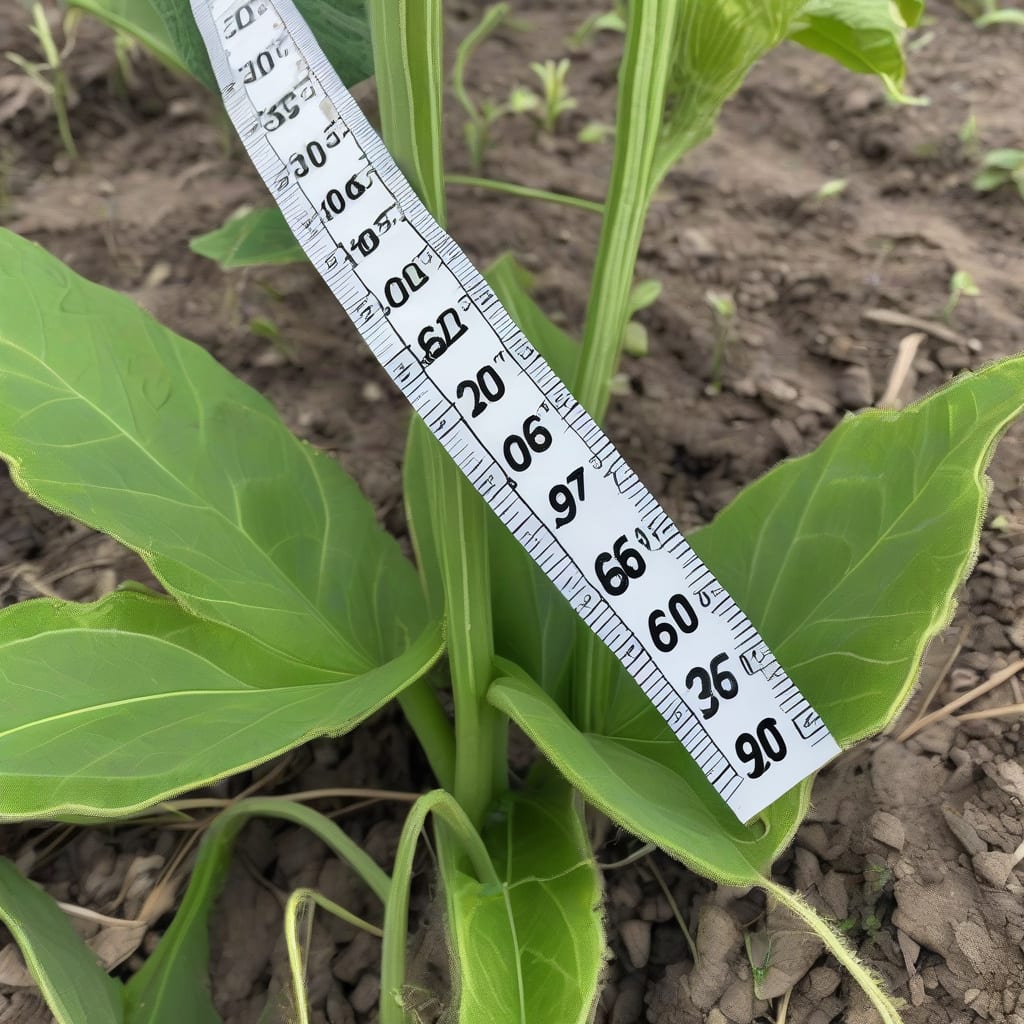
When growing 🌽 Okra in Clemson’s 7b zone, understanding the plant’s height potential is crucial for optimal garden planning. Clemson Spineless Okra is known for its impressive growth habit.
These plants can reach heights of 4 to 6 feet, requiring careful spacing and possibly staking to maximize yield. Proper care and conditions will help you achieve the best results from your Okra plants.

Clemson Spineless Okra is a popular variety among gardeners, known for its impressive growth habit and high yield potential. Understanding the height potential of this variety is crucial for optimal garden planning and management.
The typical height range for Clemson Spineless Okra plants is between 4 to 6 feet, with some plants reaching up to 7 feet under ideal growing conditions. This height range makes them suitable for gardens with adequate space.
The height of Clemson Spineless Okra plants is influenced by several factors, including soil quality, sunlight exposure, watering, and fertilization practices. Understanding these factors is key to optimizing plant growth.
Soil Quality: Well-draining, fertile soil rich in organic matter promotes healthy root development and supports vigorous plant growth. Clemson Spineless Okra prefers a slightly acidic to neutral soil pH, between 6.0 and 7.0.
Sunlight Exposure: Okra plants require full sun to thrive, needing at least 6 hours of direct sunlight per day. Adequate sunlight exposure is crucial for photosynthesis and overall plant health.
Watering Practices: Consistent moisture, especially during flowering and pod formation, is essential. Okra plants need about 1 to 2 inches of water per week, either from rainfall or irrigation.
Fertilization: Feeding Okra plants with a balanced fertilizer (10-10-10 NPK) every 4 to 6 weeks supports their nutrient needs and promotes healthy growth.
By understanding and managing these factors, gardeners can optimize the height and overall health of their Clemson Spineless Okra plants, leading to a more bountiful harvest.
The height potential of Clemson Spineless Okra makes it a versatile choice for various garden setups. Whether you’re growing in a small backyard or a larger plot, understanding how to manage and support these plants can lead to a successful growing season.
For gardeners looking to maximize their Okra yield, considering the mature height of the plants is crucial for planning. Proper spacing, staking, and pruning practices can help manage the height and promote a healthier, more productive crop.
In conclusion, Clemson Spineless Okra’s height potential is a significant factor in its cultivation. By understanding the factors that influence its growth and implementing appropriate gardening practices, you can enjoy a thriving and productive Okra crop.
The height of Clemson Spineless Okra plants is influenced by several key factors that gardeners must consider for optimal growth. Understanding these elements helps in creating the right conditions for maximum yield and plant health.
Environmental Factors play a crucial role in determining the height of Okra plants. Temperature, sunlight, and soil conditions all contribute to the overall growth.
These factors directly impact the plant’s ability to reach its full height potential of 4-6 feet. Proper management of these elements ensures robust growth and maximum yield.
For gardeners in Clemson’s 7b zone, understanding these factors is particularly important due to the region’s specific climate conditions. The last frost date and soil temperature are critical considerations for planting.
By focusing on these key factors, gardeners can create optimal growing conditions for their Clemson Spineless Okra plants, leading to healthier plants and a more abundant harvest 🌼.
Regular monitoring of these factors helps in making necessary adjustments throughout the growing season. This proactive approach ensures that the plants remain healthy and continue to grow at their maximum potential.
In conclusion, managing the factors that influence Clemson Spineless Okra plant height is essential for achieving a successful harvest. By understanding and implementing these practices, gardeners can enjoy a thriving Okra crop.
Clemson Spineless Okra plants can grow between 4 to 6 feet tall, requiring careful management to maximize yield. Proper spacing, staking, and pruning practices are essential for optimal growth.
To manage Okra height effectively, gardeners should consider several key strategies. These include providing adequate spacing between plants, using stakes or trellises for support, and pruning to promote healthier growth.
Space Okra plants 12-18 inches apart in rows that are 3 feet apart to allow for good air circulation and easy harvesting.
Spacing is critical for Okra plants as it affects air circulation and sunlight penetration. Proper spacing helps prevent disease and promotes healthier growth.
Staking Okra plants can help manage their height and prevent them from toppling over in strong winds. Using stakes or trellises provides the necessary support for these tall plants.
Pruning is another effective method for managing Okra height. Removing the terminal bud can encourage branching, leading to a bushier plant that produces more pods.
By implementing these strategies, gardeners can effectively manage the height of their Clemson Spineless Okra plants, leading to a more productive and manageable crop 🌼.
In conclusion, managing Okra height is crucial for maximizing yield and ensuring a successful harvest. By understanding and applying these practical tips, gardeners can enjoy a bountiful Okra crop.
