
Beautiful Plants For Your Interior
Beautiful Plants For Your Interior
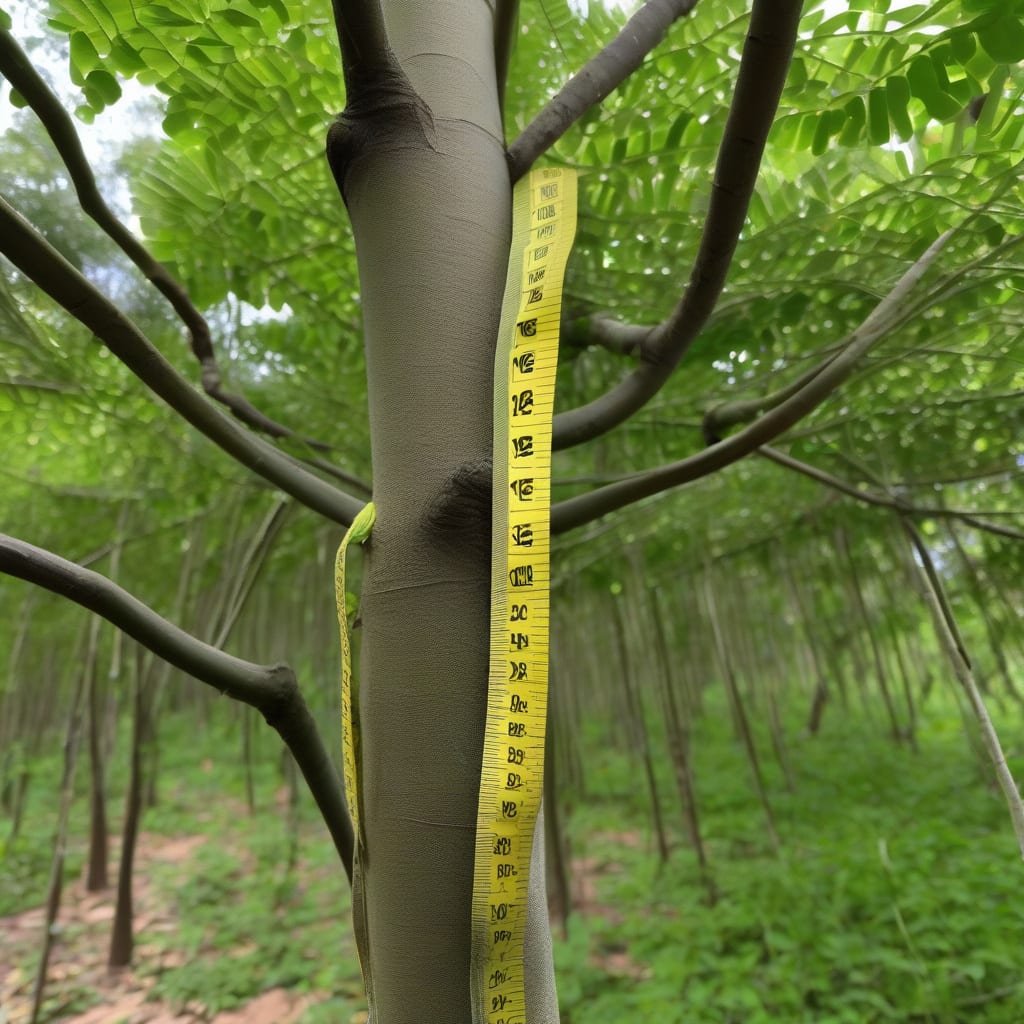
When growing a Moringa Tree 🌳, understanding its potential height is crucial for planning your garden space. In ideal conditions, these trees can grow quite tall, but their height can vary based on several factors including climate and care.
Let’s explore what you can expect in terms of height when cultivating a Moringa Tree in your garden, particularly in zones like 9b, and how to manage its growth effectively.
Moringa trees are known for their rapid growth and can reach varying heights depending on the conditions. On average, a Moringa Tree can grow between 15 to 30 feet tall 🌳.
The height of a Moringa Tree is influenced by factors such as climate, soil quality, and care practices. Understanding these factors is essential for managing the tree’s growth effectively.
Moringa Trees are known to grow rapidly, especially in their first few years. They can reach heights of 6 feet in the first year, 12 feet in the second year, and continue to grow steadily thereafter.
The tree’s height is also influenced by pruning practices. Regular pruning can help control the height and encourage a more bushy growth pattern, which can be beneficial for harvesting leaves and pods 🌿.
In ideal conditions, with ample sunlight and proper watering, Moringa Trees can achieve their maximum height potential. However, in less favorable conditions, their growth may be stunted.
Understanding the growth patterns and factors that influence their height is crucial for gardeners and cultivators. By recognizing these elements, one can better plan and manage the growth of their Moringa Trees.
For those looking to cultivate Moringa Trees, being aware of the typical height range and the factors that can affect it will help in making informed decisions about planting and care.
Whether you’re a seasoned gardener or new to growing Moringa Trees, knowing what to expect in terms of height can enhance your gardening experience and help you achieve the best results 🌼.
By considering the ideal growing conditions and maintenance practices, you can optimize the growth of your Moringa Tree and enjoy its numerous benefits.
In summary, Moringa Trees can grow quite tall, but their height is dependent on several factors. With the right care and conditions, these trees can thrive and reach their full potential 🌳.
The height of a Moringa Tree is significantly influenced by various factors including climate, soil quality, and care practices. Understanding these elements is crucial for optimizing the tree’s growth and achieving the desired height 🌳.
Climate plays a crucial role in determining the height of a Moringa Tree. These trees prefer warm temperatures and thrive in USDA zones 9-11. In cooler climates, their growth may be limited 🌟.
Soil quality is another important factor. Moringa Trees prefer well-draining soil with a pH between 6.0 and 7.0. Soil that is too alkaline or too acidic can affect nutrient availability and impact growth 🌱.
Care practices, including pruning and fertilization, also influence the tree’s height. Regular pruning can help control the height and encourage a bushier growth pattern, while balanced fertilization provides essential nutrients for optimal growth 🌼.
By understanding and managing these factors, you can optimize the growth of your Moringa Tree and achieve the desired height 🌳.
For gardeners, being aware of these influences can help in making informed decisions about planting and care practices, ensuring that their Moringa Trees reach their full potential 🌟.
In summary, the height of a Moringa Tree is influenced by a combination of climate, soil quality, and care practices. By optimizing these factors, you can promote healthy growth and achieve the desired height 🌼.
When growing a Moringa Tree, managing its height is crucial for optimal cultivation and harvesting. The tree’s height can be influenced by various factors, including pruning practices, soil quality, and climate conditions 🌳.
Regular pruning can help control the height of your Moringa Tree and encourage a bushier growth pattern, making it easier to harvest leaves and pods 🌿.
Pruning is a critical practice in managing the height of a Moringa Tree. By pruning the tree regularly, you can control its height and promote a more compact growth pattern. This not only makes harvesting easier but also enhances the tree’s overall health 🌼.
In addition to pruning, planting strategies can also play a role in managing the tree’s height. For instance, planting Moringa Trees in well-draining soil with adequate sunlight can promote healthy growth and help achieve the desired height 🌻.
Understanding the growth patterns of Moringa Trees and the factors that influence their height is essential for effective management. By combining proper care practices with strategic planting, you can optimize the growth of your Moringa Tree 🌳.
For gardeners looking to cultivate Moringa Trees, being aware of these management techniques can help in achieving the best results and enjoying the numerous benefits of this versatile tree 🌟.

