
Beautiful Plants For Your Interior
Beautiful Plants For Your Interior
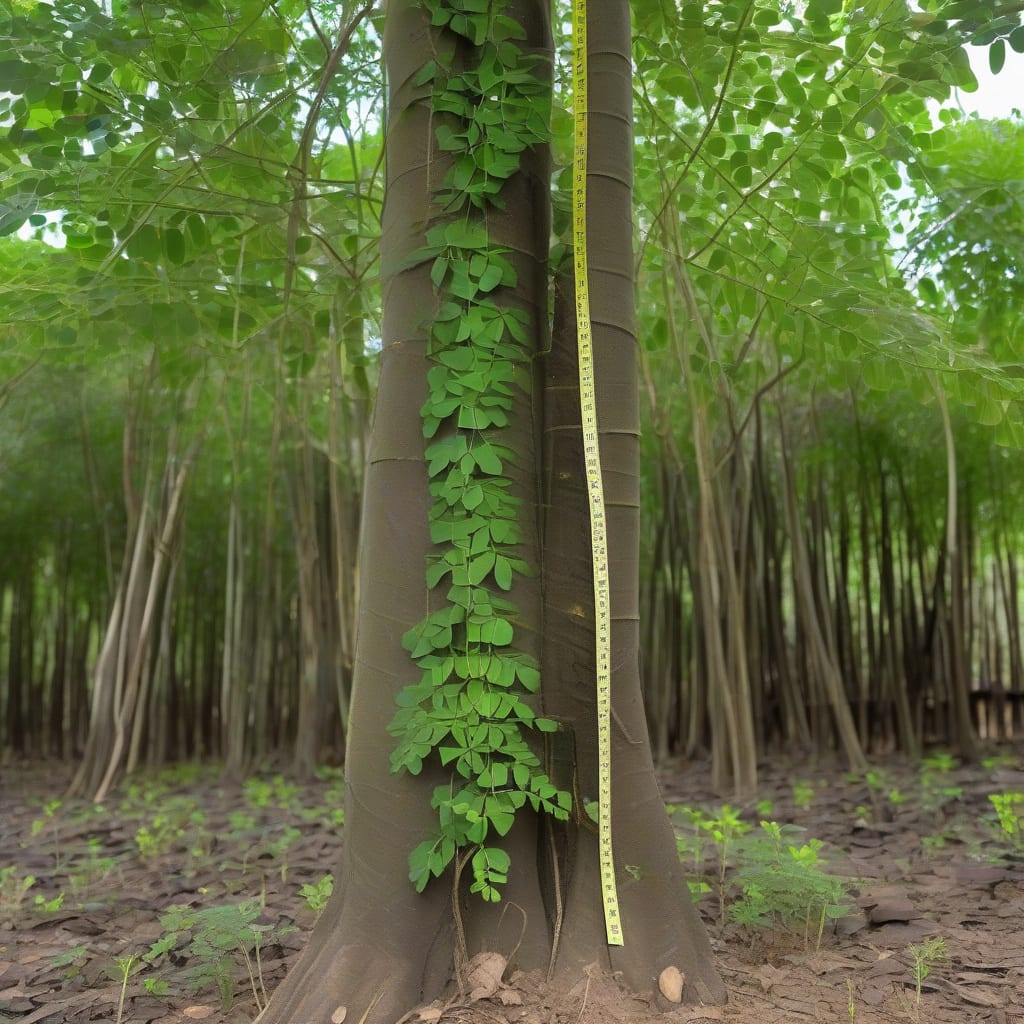
I’ve always been fascinated by the Moringa Tree 🌳, known for its impressive growth and numerous health benefits. Growing in USDA Zone 9b, this tree can reach remarkable heights with proper care.
Understanding how tall your Moringa Tree can grow is crucial for planning your garden space effectively. Let’s explore the factors that influence its height and how you can manage its growth to suit your needs.
The height of a Moringa Tree 🌳 is influenced by various environmental and cultivation factors. Understanding these factors is crucial for gardeners who want to optimize the growth of their trees.
Several key elements affect how tall a Moringa Tree can grow, including climate, soil quality, and maintenance practices. By controlling these factors, you can significantly impact the tree’s overall height and health 🌱.
By understanding and managing these factors, you can create optimal conditions for your Moringa Tree to reach its full height potential 🌿.
Climate conditions play a significant role in determining the height of a Moringa Tree. These trees prefer warm temperatures and plenty of sunlight, which are characteristic of tropical and subtropical regions.
The quality of the soil is another critical factor. Moringa Trees prefer well-draining soil with a pH between 6.0 and 7.0. Soil that is too dense or poorly draining can hinder root development and limit the tree’s growth.
Watering practices also impact the height of a Moringa Tree. While regular watering is necessary, especially during the early stages of growth, overwatering can lead to root rot and other issues that may stunt the tree’s growth.
Pruning is a maintenance practice that can significantly influence the height of a Moringa Tree. Regular pruning can help control the tree’s height and encourage a bushier, more manageable growth pattern.
Fertilization is another important aspect of Moringa Tree care. Using a balanced fertilizer during the growing season can provide the necessary nutrients for healthy growth and help the tree reach its maximum height potential.
In summary, the height of a Moringa Tree is influenced by a combination of environmental factors and cultivation practices. By understanding and managing these factors, you can help your Moringa Tree achieve optimal growth and reach its full height potential 🌳.
For more specific guidance on growing Moringa Trees, including tips on pruning and fertilization, continue reading the next sections 📚.
Moringa Trees are known for their impressive growth potential, with average heights ranging between 15 to 30 feet under optimal conditions 🌳.
The maximum height of a Moringa Tree can vary based on several factors, including climate, soil quality, and maintenance practices. Understanding these factors is crucial for gardeners who want to optimize their tree’s growth.
In tropical climates with well-draining soil and adequate watering, Moringa Trees can reach heights of up to 30 feet 🌴.
In less favorable conditions, such as poor soil quality or inadequate sunlight, Moringa Trees may only reach heights of 15 feet or less 🌟.
Moringa Trees are known for their rapid growth rate, especially during the first few years. They can grow 3 to 5 feet in a single year under optimal conditions 📈.
The average height of a Moringa Tree is influenced by factors such as climate, soil quality, and maintenance practices. By understanding and managing these factors, you can help your Moringa Tree achieve optimal growth 🌿.
In ideal conditions, with warm temperatures and adequate sunlight, Moringa Trees can reach their maximum height potential. Regular watering and fertilization also play a crucial role in promoting healthy growth 🌱.
Conversely, less-than-ideal conditions can limit the height of a Moringa Tree. Factors such as poor soil quality, inadequate watering, and insufficient sunlight can all impact the tree’s growth potential 🌟.
By understanding the factors that influence the height of a Moringa Tree, you can take steps to optimize its growth and achieve the desired height 🌳.
For more specific guidance on growing Moringa Trees, including tips on pruning and fertilization, continue reading the next sections 📚.
Managing the height of your Moringa Tree 🌳 is crucial for maintaining its health and maximizing its benefits. Proper pruning and training techniques can help control the tree’s height and promote a bushier growth pattern.
Regular pruning helps control height and encourages bushier growth. Prune during the dormant season to minimize stress on the tree 🌿.
Pruning is an effective way to manage the height of your Moringa Tree. By removing the top growth, you can encourage the tree to grow more laterally, resulting in a bushier and more manageable shape.
Training your Moringa Tree involves guiding its growth to achieve the desired height and shape. This can be done by selectively pruning branches and shaping the tree to promote a more upright or spreading growth pattern 🌟.
To maintain a desired height, regular maintenance is key. This includes monitoring the tree’s growth and pruning it as needed to prevent it from becoming too tall or leggy 🌱.
By implementing these height management techniques, you can enjoy the benefits of your Moringa Tree while keeping it at a manageable size. Proper care and maintenance will ensure your tree remains healthy and productive 🌳.

