
Beautiful Plants For Your Interior
Beautiful Plants For Your Interior
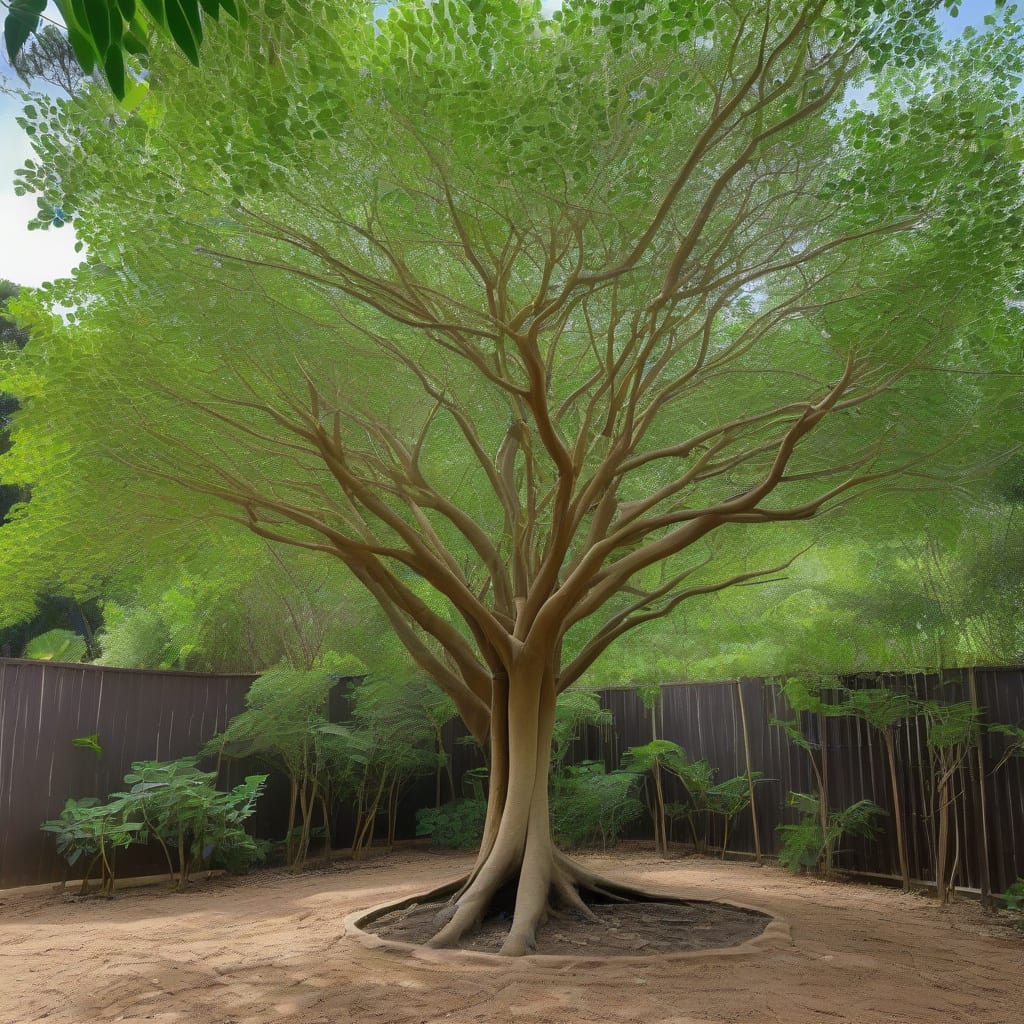
I’ve always been fascinated by the Moringa Tree 🌳, known for its impressive growth and numerous health benefits. Growing in USDA Zone 9b, these trees can reach remarkable heights, but understanding their growth potential is crucial for effective garden planning.
The height of a Moringa Tree can vary significantly based on factors like climate, soil quality, and pruning practices. Let’s explore what you can expect and how to manage their growth to suit your needs.

6 ft

12 ft

18 ft

20-25 ft
When considering how tall moringa trees can grow, it’s essential to understand the various factors that influence their height. Climate plays a significant role, as moringa trees thrive in warm, tropical, and subtropical regions.
The quality of the soil is another critical factor. Moringa trees prefer well-drained soil with a pH between 6.0 and 7.0. Watering practices also impact their growth, as consistent moisture promotes healthy development.
Pruning practices are also vital in determining the height of moringa trees. By pruning, you can manage the tree’s size and encourage a more bushy or branching structure, which can be beneficial for harvesting.
Understanding these factors is crucial for gardeners who want to optimize the growth of their moringa trees. By controlling these elements, you can create an ideal environment for your trees to flourish.
The ideal climate for moringa trees is characterized by warm temperatures and ample sunlight. These conditions not only promote healthy growth but also enhance the nutritional value of the leaves and pods.
In terms of soil preparation, ensuring good drainage and the right pH is key. Moringa trees are relatively adaptable, but optimal conditions will result in more vigorous growth and better yields.
Watering needs for moringa trees vary depending on the climate and soil type. Generally, they prefer consistent moisture, especially when they’re producing pods.
By understanding and managing these factors, gardeners can significantly influence the height and overall health of their moringa trees. This knowledge is essential for maximizing the benefits of growing these nutritious trees.
Moringa trees are known for their rapid growth rate, especially in their first few years. This fast growth is one of the reasons they are so popular among gardeners and health enthusiasts.
The genetic makeup of the moringa tree also plays a role in its potential height. Different varieties may have different growth habits and maximum heights.
In summary, the height of moringa trees is influenced by a combination of environmental factors and gardening practices. By optimizing these conditions, you can help your moringa trees reach their full potential.
For gardeners, understanding these factors is not just about maximizing height but also about ensuring the overall health and productivity of the tree. Proper care and management can lead to a more bountiful harvest and a healthier tree.
As we continue to explore the growth habits of moringa trees, it’s clear that their height is just one aspect of their overall appeal. Their nutritional benefits, ease of growth, and versatility make them a valuable addition to any garden.
Moringa trees are known for their impressive growth, with heights ranging from 15 to 30 feet under optimal conditions. The average height typically falls between 20 to 25 feet, making them a substantial presence in any garden 🌳.
The maximum height of moringa trees can vary significantly based on the specific variety and growing conditions. Some trees have been known to reach heights of up to 30 feet or more in ideal environments.
Moringa trees generally grow between 20 to 25 feet tall, with some varieties reaching up to 30 feet.
Optimal conditions, including full sun and well-drained soil, can help moringa trees achieve their maximum height potential.
Different moringa tree varieties may exhibit varying growth habits, with some being more compact and others more vigorous.
Understanding the typical and maximum heights of moringa trees is essential for garden planning and management. By recognizing the potential size of these trees, gardeners can make informed decisions about spacing and care.
In ideal conditions, moringa trees can grow quite tall, making them a striking feature in any landscape. Their height is not just a matter of aesthetics; it also impacts their ability to produce leaves and pods.
The height of moringa trees is influenced by both genetic factors and environmental conditions. By optimizing these factors, gardeners can help their trees reach their full potential.
For those growing moringa trees, understanding their growth patterns is key to effective management. Regular monitoring and appropriate care can ensure that these trees remain healthy and productive.
Pruning is a crucial technique for managing the height of moringa trees and promoting healthy growth. By pruning your moringa tree regularly, you can control its size and encourage a more bushy or branching structure, which is beneficial for harvesting moringa leaves and pods.
Remove any dead, diseased, or damaged branches to maintain the tree’s health and appearance.
Reduce the height of tall branches to encourage branching and control the tree’s overall height.
Thin out the canopy to allow more sunlight to reach inner branches, promoting even growth.
Regular pruning not only helps in managing the height but also enhances the overall productivity of the tree. It’s essential to use clean and sharp pruning tools to prevent spreading diseases.
By implementing these pruning techniques, you can effectively control the height of your moringa tree and ensure it remains healthy and productive. Regular maintenance is key to achieving the desired results.
Pruning during the dormant season can be particularly effective, as it allows the tree to heal quickly and directs its energy towards new growth when the growing season begins.
For gardeners, mastering moringa tree pruning is an essential skill that can significantly impact the tree’s health and productivity. With the right techniques, you can enjoy a bountiful harvest and a well-managed tree.
