
Beautiful Plants For Your Interior
Beautiful Plants For Your Interior
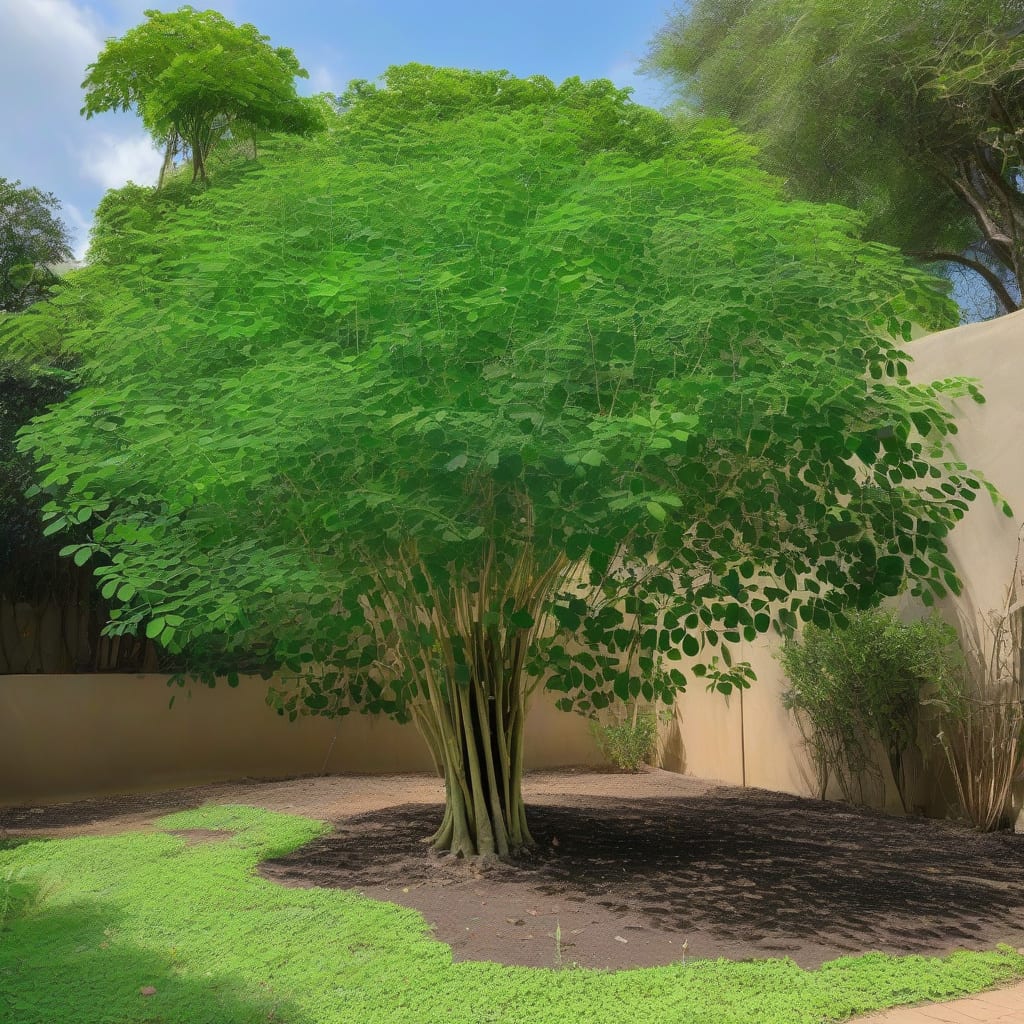
I’ve always been fascinated by the Moringa Tree 🌳, known for its impressive growth and numerous health benefits. Growing in USDA Zone 9b, this tree can reach remarkable heights, but understanding its growth habits is crucial for gardeners.
The Moringa Tree can grow between 15-30 feet tall, with some varieties reaching even higher. Factors like climate, soil quality, and pruning techniques all play a role in determining its maximum height potential.

I’ve found that several factors influence how tall a moringa tree can grow. The climate plays a significant role, with moringa trees thriving in warm, tropical, and subtropical regions 🌟.
Soil quality is another crucial factor, as moringa trees prefer well-drained soil with a pH between 6.0 and 7.0. The tree’s growth is also affected by watering practices, with regular watering promoting healthy growth 🌱.
The pruning techniques used on a moringa tree can also significantly impact its height. Regular pruning can help maintain a desired height and promote bushy growth 🌿.
By understanding these factors, gardeners can better manage their moringa trees and optimize their growth 🌱.
Climate conditions such as temperature and rainfall patterns can significantly affect moringa tree growth. Areas with distinct wet and dry seasons can influence the tree’s growth rate 📊.
Moringa trees grown in containers may require more frequent watering and fertilization compared to those grown in the ground. This is because containers can limit root growth and affect nutrient availability 📦.
The age of the tree is another factor to consider, as younger trees tend to grow more rapidly than older ones. Regular maintenance, including pruning and fertilization, can help sustain growth over time 🔄.
In summary, a combination of climate, soil, watering, and pruning practices all contribute to the height of a moringa tree. By optimizing these factors, gardeners can help their moringa trees reach their full potential 🌳.
For gardeners in USDA Zone 9b, it’s essential to plant moringa trees after the last frost date, typically around February 15. This allows the tree to take advantage of the warm growing season 🌞.
With proper care and management, moringa trees can become a valuable addition to any garden, providing both shade and a nutritious harvest 🌻.
Moringa trees are known for their impressive growth, with heights ranging between 15-30 feet tall. The maximum height potential of these trees depends on various factors, including the specific variety, growing conditions, and maintenance practices 🌳.
Different moringa varieties exhibit different growth habits. Some compact varieties may reach heights of around 15 feet, while others can grow up to 30 feet or more in ideal conditions 🌟.
Most moringa trees typically grow between 20-25 feet tall, making them a substantial presence in any garden.
Moringa trees thrive in warm climates with full sun and well-drained soil, allowing them to reach their maximum height potential.
Compared to other garden trees, moringa trees can grow relatively tall, often reaching heights similar to or exceeding that of a single-story house.
The height of moringa trees can be influenced by factors such as soil quality, watering practices, and pruning techniques. By optimizing these factors, gardeners can help their moringa trees reach their full height potential 🌟.
In ideal conditions, with proper care and maintenance, moringa trees can achieve remarkable heights, making them a striking feature in any garden or landscape 🌳.
For gardeners looking to maximize the height of their moringa trees, it’s essential to provide the right growing conditions and regular maintenance. This includes ensuring the tree receives adequate sunlight, water, and nutrients 🌱.
By understanding the factors that influence moringa tree height, gardeners can better manage their trees and enjoy the many benefits these remarkable plants have to offer 🌻.
I’ve found that managing the height of moringa trees is crucial for gardeners with limited space. Regular pruning techniques can help maintain a desired height and promote bushy growth 🌿.
Prune your moringa tree regularly to maintain a desired height and encourage bushy growth. Remove any dead or damaged branches to promote healthy growth 🌱.
For gardeners with small gardens or those growing moringa trees in containers, regular pruning is essential. This helps control the tree’s height and ensures it remains a manageable size 📏.
Training techniques can also be used to shape the tree and maintain a desired height. This can include removing select branches to direct the tree’s growth 🌟.
By implementing these pruning and training techniques, gardeners can enjoy the benefits of moringa trees even in limited spaces. Regular maintenance is key to keeping the tree healthy and productive 🌻.
For moringa trees grown in USDA Zone 9b, it’s essential to consider the tree’s growth habits during the warm growing season. With proper care, moringa trees can thrive and provide a bountiful harvest 🌞.
In summary, managing moringa tree height requires a combination of regular pruning and training techniques. By understanding these methods, gardeners can optimize their tree’s growth and enjoy its many benefits 🌳.
